
Your First Wildlife Pond: Simple, Pump-Free Paradise
Create a haven for frogs, dragonflies, and birds with this easy, no-pump pond guide.
Building a wildlife pond is one of the most rewarding gardening projects. You don't need a pump to attract life; just a well-designed space. This guide focuses on a simple, liner-based pond that naturally supports wildlife.
Choosing the Perfect Spot
Location is key. Avoid areas directly under trees that drop lots of leaves, as this will constantly clog your pond and reduce water quality. Aim for a spot that gets at least six hours of sunlight per day. This helps warm the water, encouraging plant growth and insect activity. Consider the sunniest side of your garden – this is south-facing in the northern hemisphere and north-facing in the southern hemisphere.
The Importance of a Gentle Slope
You might think depth is crucial, but for a wildlife pond, a shallow, sloping 'beach' edge is far more important. This allows creatures like hedgehogs, newts, and insects to easily get in and out without drowning. A slope of about 1 in 3 or 1 in 4 is ideal. You can make one side a gentle ramp and the other a steeper drop-off if you wish.
Liner and Underlay: Your Pond's Foundation
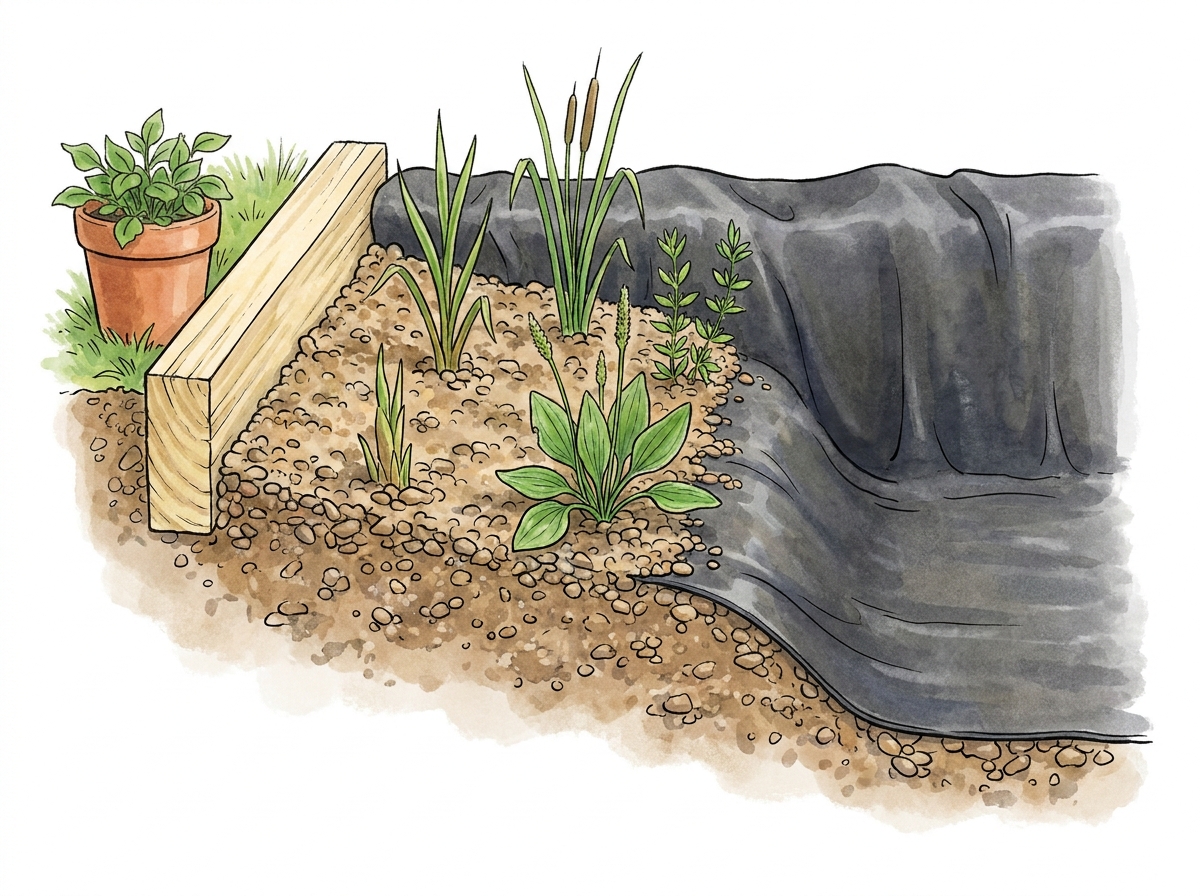
For a small, pump-free pond, a flexible EPDM (ethylene propylene diene monomer) pond liner is a great choice. It's durable and fish-friendly. Always use a protective underlay beneath the liner. This can be old carpet underlay, specialist pond underlay, or even thick newspaper layers. The underlay protects the liner from sharp stones and roots, preventing leaks.
- Measure your pond area, adding at least 1m (3.3ft) all around for overlap.
- Cut the liner to size, ensuring it's large enough to cover the hole and tuck up the sides.
- Lay the underlay first, smoothing out any creases.
- Carefully position the liner over the underlay, again smoothing out major folds. Don't stretch it tightly.
Filling and Settling
Once the liner is in place, start filling the pond with water. Use a hosepipe. As it fills, the water weight will help the liner settle into the contours of your hole. It's a good idea to let the pond settle for a few days to a week before adding plants. This allows any residual chemicals from the liner or tap water to dissipate and gives the pond a chance to become a stable environment.
Planting for Oxygen and Life
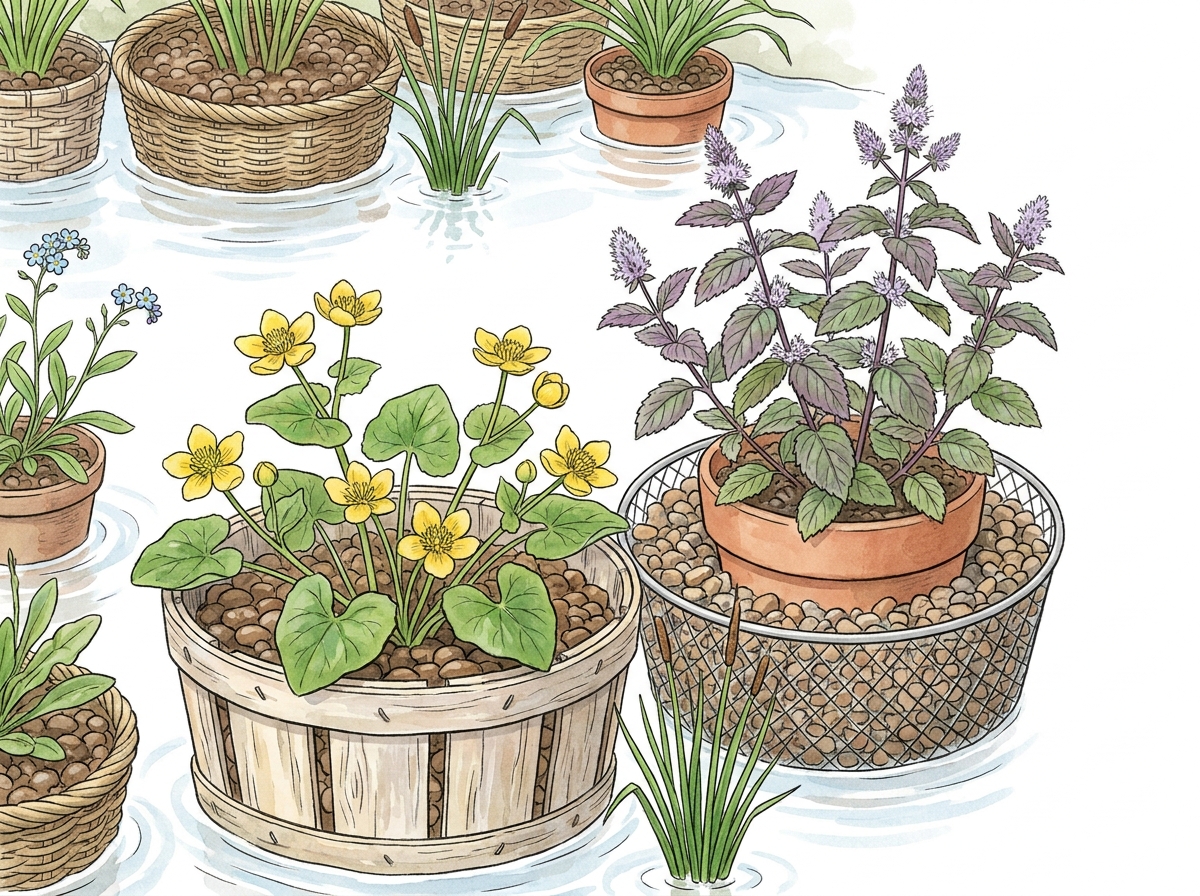
Plants are vital for a healthy pond. They provide oxygen, shelter for wildlife, and help keep the water clear. Focus on native species. Oxygenating plants like hornwort (Ceratophyllum demersum) or waterweed (Elodea) are essential and should be placed in the deeper sections. Marginal plants, which grow in shallow water at the edges, add structure and habitat. Good choices include marsh marigold (Caltha palustris), water mint (Mentha aquatica), and purple loosestrife (Lythrum salicaria).
Patience is a Virtue: Let Wildlife Arrive
Resist the urge to 'stock' your pond with fish or add water from other ponds. Healthy ponds attract wildlife naturally. Frogs, newts, and insects will find your pond if the habitat is right. It might take a season or two for it to become a bustling ecosystem, but the natural colonisation is the most rewarding.
When digging, be aware of underground cables or pipes. If using tools like spades or shovels, always wear sturdy footwear. If you encounter any unexpected services, stop immediately and contact the relevant utility company. Ensure any gravel used for planting is clean and free from contaminants.