Your First Veggie Patch: Easy Wins for New Gardeners
Get growing with a simple bed, smart siting, and beginner-friendly crops that'll fill your plate, not your bin.
Choosing Your Spot: Sun and Water are Key
The secret to a successful first vegetable bed is picking the right location. Most vegetables need at least 6-8 hours of direct sunlight per day. Observe your garden throughout the day to see which areas get the most sun. Also, think about water access. You'll want your bed to be close to a water source so watering isn't a chore.
For the sunniest side, consider where the sun is strongest. In the northern hemisphere, this is typically the south-facing aspect, while in the southern hemisphere, it's the north-facing aspect. If you're unsure, watch the sun's path across your garden.
Bed Size: Manageable for Busy Bees
A good starting size for a vegetable bed, especially if you only have a couple of hours a week, is around 1.2m (4ft) wide and 2.4m (8ft) long. This width allows you to reach the centre from either side without stepping into the bed, preventing soil compaction.
Preparing the Ground: No Digging Required!
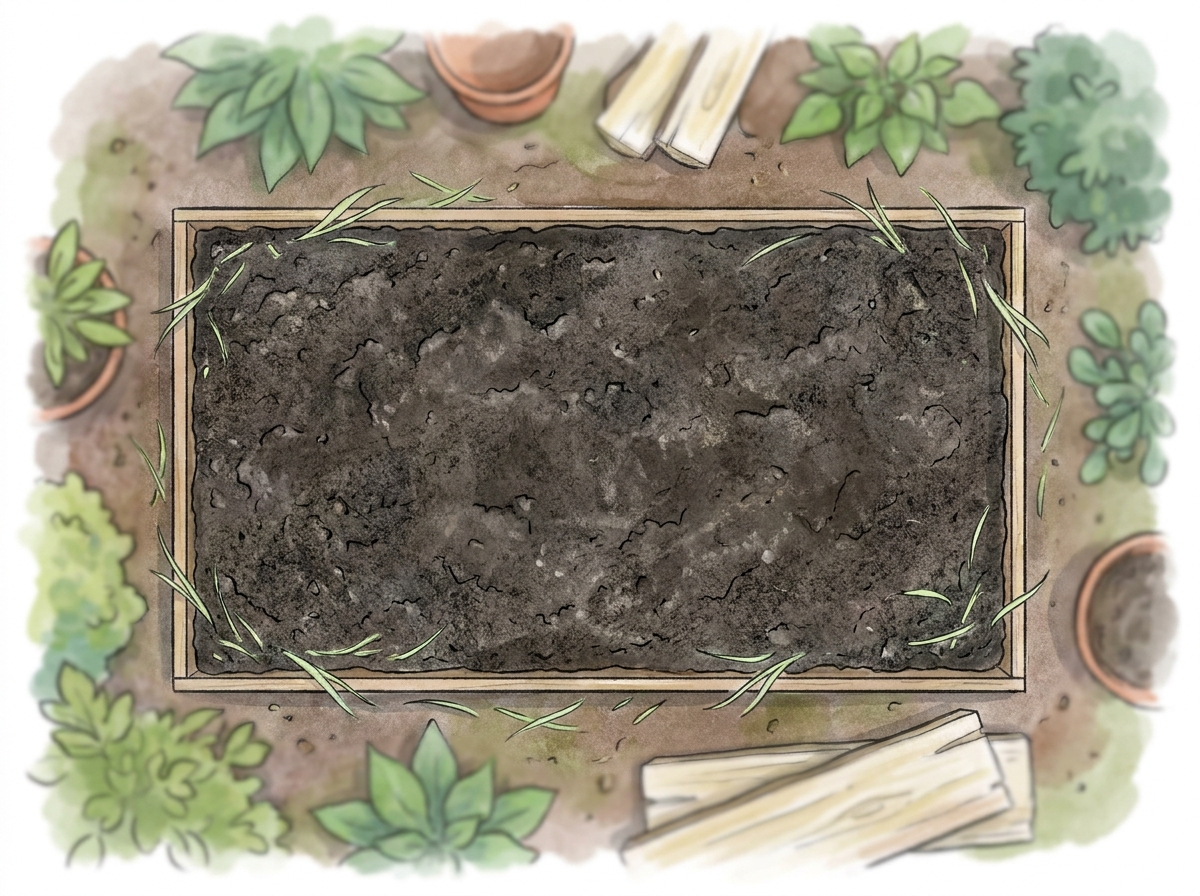
You don't need heavy machinery to start a veg patch! The easiest method for beginners is 'no-dig'. This involves layering organic matter on top of your existing soil. It improves soil structure and fertility over time.
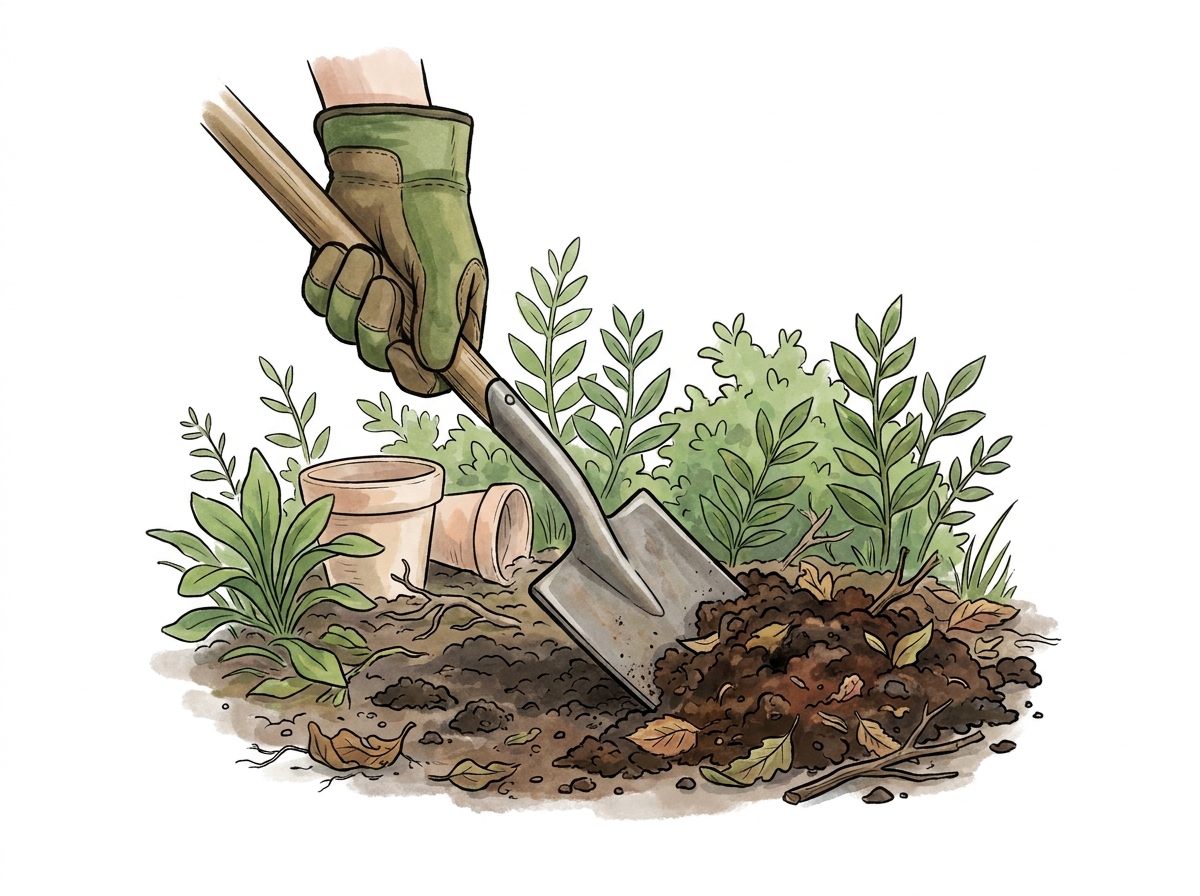
- Clear the area of any weeds or grass. You can do this by hand or by using a spade to lift off the top layer, setting it aside to compost.
- Spread a thick layer (about 10cm or 4 inches) of well-rotted compost or manure over the cleared area.
- If you have persistent weeds like dandelions or bindweed, you can lay down a layer of cardboard (remove any plastic tape) on top of the soil *before* adding the compost. This will smother the weeds.
- Top this with another layer of compost or good quality topsoil. Your bed is now ready for planting!
Beginner-Friendly Crops: Your First Harvests
These are reliable growers that tend to be forgiving of minor mistakes. They offer a good chance of success and tasty rewards.
- Radishes: Super fast from seed to harvest, often in under a month. Sow little and often.
- Lettuce (cut-and-come-again varieties): You can harvest outer leaves for weeks.
- Spinach: Grows well in cooler weather, sow in succession.
- Peas: A classic! Sweet and satisfying to grow and eat.
- Bush Beans: Easy to grow from seed, produce a good crop.
- Courgettes (Zucchini): One plant can produce a lot! Give them space.
- Spring Onions (Scallions): Quick to grow and versatile.
- Herbs (like Mint, Parsley, Chives): Hardy and provide continuous harvests.
Crops to Approach with Caution (For Now!)
These can be a bit more demanding or prone to problems for beginners. Don't let this put you off forever, just maybe save them for year two!
- Tomatoes: Can be prone to blight and require specific feeding and support.
- Cucumbers: Need consistent warmth and can be susceptible to pests.
- Potatoes: While easy to grow, they require significant space and can be affected by diseases like blight and potato cyst eelworm.
Important Safety Note: Tools and Handling
Always wear sturdy gloves when handling soil and compost to protect your hands from thorns, sharp objects, and potential irritants. When using a spade or fork, ensure you have good footing and lift with your legs, not your back, to avoid injury.