
Your First Five Houseplants: The 'Unkillable' Edition
Start your plant journey with these forgiving friends and learn the secrets to keeping them thriving (or at least surviving!).
Welcome to the Green Side!
Starting with houseplants can feel daunting, but some species are incredibly resilient. These five are known for their ability to bounce back from minor neglect, making them perfect for beginners. We'll cover why they're so tough, where to place them, and the one common mistake that can doom them.
1. Snake Plant (Sansevieria trifasciata)
Why it's tough: Snake plants are masters of drought tolerance. They store water in their thick leaves and can go for weeks without a drink. They're also adaptable to various light conditions.
Placement: Bright, indirect light is ideal, but they'll tolerate low light conditions well. Avoid direct, scorching sun which can scorch their leaves.
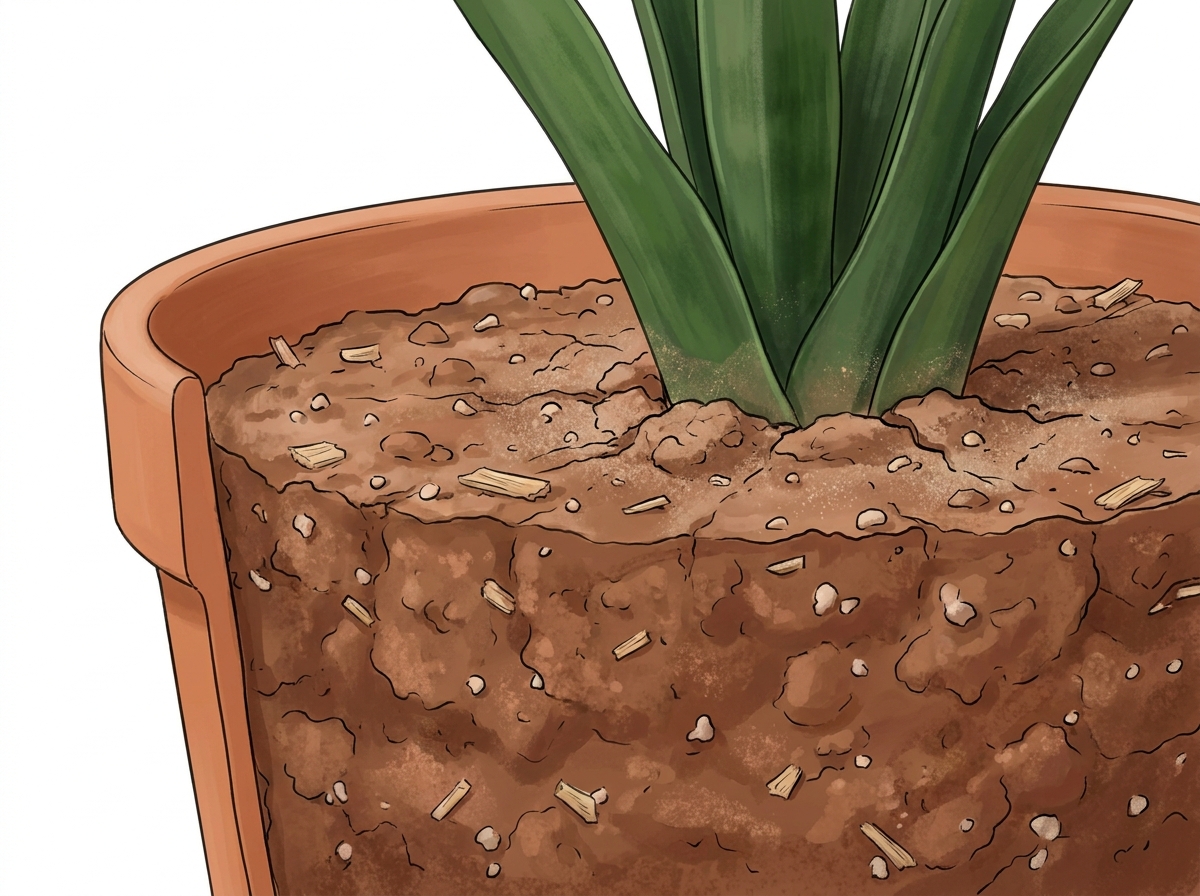
The killer mistake: Overwatering. Their roots will rot if left in soggy soil. Always let the soil dry out completely between waterings.
2. ZZ Plant (Zamioculcas zamiifolia)
Why it's tough: Similar to snake plants, ZZ plants have rhizomes (underground stems) that store water, making them exceptionally drought-tolerant. They also thrive on neglect.
Placement: They are famously tolerant of low light, making them great for dimmer corners. They can also handle bright, indirect light.
The killer mistake: Overwatering. This is the quickest way to kill a ZZ plant. Let the soil dry out thoroughly between waterings. When in doubt, don't water.
3. Spider Plant (Chlorophytum comosum)
Why it's tough: Spider plants are forgiving and will let you know when they need water by their leaves drooping slightly. They also produce 'spiderettes' (baby plants) easily, making propagation simple.
Placement: Bright, indirect light is best. They can tolerate lower light but might not produce as many babies. Avoid direct sun, which can burn their leaves.
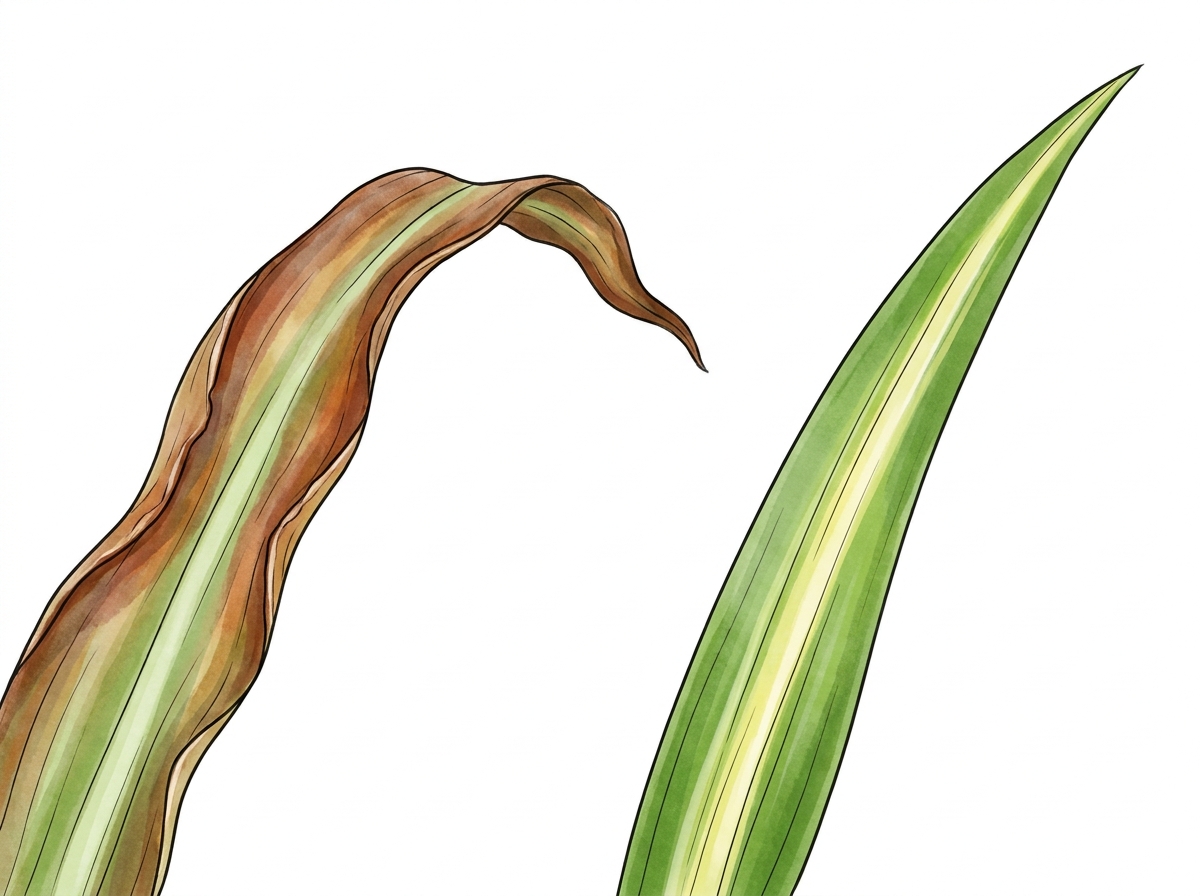
The killer mistake: Using tap water with high fluoride or chlorine content. This can cause brown tips on the leaves. Use filtered, distilled, or rainwater if possible, or let tap water sit out overnight.
4. Pothos (Epipremnum aureum)
Why it's tough: Pothos is a trailing vine that's very adaptable. It tolerates a range of light conditions and will visibly droop when thirsty, giving you a clear signal.
Placement: Bright, indirect light is ideal, but they do well in medium to low light too. They look great trailing from shelves or hanging baskets.
The killer mistake: Overwatering. Like many houseplants, soggy soil leads to root rot. Allow the top 2.5-5cm (1-2 inches) of soil to dry out before watering again.
5. Cast Iron Plant (Aspidistra elatior)
Why it's tough: Its name says it all! This plant is incredibly hardy, tolerating deep shade, infrequent watering, and temperature fluctuations. It's a true survivor.
Placement: This plant thrives in low light conditions, making it perfect for those darker spots where other plants might struggle. Avoid direct sunlight at all costs.
The killer mistake: Too much light and overwatering. While it tolerates neglect, giving it too much direct sun or keeping its soil constantly wet will cause damage.
General Care Tips for Beginners
- Watering: Always check the soil moisture before watering. Stick your finger into the soil up to your second knuckle. If it feels dry, it's time to water. If it feels moist, wait a few more days.
- Light: Most beginner plants prefer bright, indirect light. This means a spot near a window but out of the direct sun's rays, which can scorch leaves.
- Potting: Ensure your pots have drainage holes. This is crucial to prevent waterlogged soil and root rot.
- Repotting: You likely won't need to repot these plants for at least a year. When the roots start to circle the pot tightly or grow out of the drainage holes, it's time for a slightly larger pot with fresh potting mix.
- Feeding: These plants don't need much feeding. A diluted liquid fertilizer once or twice during the growing season (spring and summer) is plenty.
Toxicity Note: While generally safe, it's wise to keep all houseplants out of reach of pets and small children. Some plants can cause mild irritation if ingested. Always wash your hands after handling soil and plants.
Enjoy your new green companions! With a little observation and by avoiding these common pitfalls, you'll be a plant parent in no time.