
Your All-Season Salad Bowl: The Magic of Cut-and-Come-Again
Enjoy fresh, crisp salad leaves from your garden all year round with this simple sowing and harvesting technique.
Tired of your salad patch giving up the ghost as soon as the weather turns? The 'cut-and-come-again' method is your secret weapon! It's a way of sowing seeds little and often, and harvesting leaves without digging up the whole plant. This encourages the plant to keep on producing more delicious leaves, giving you a continuous supply.
Choosing the Right Leaves for the Season
Not all salad leaves are created equal when it comes to temperature. By picking the right varieties for the right time of year, you can ensure a harvest even in cooler or warmer spells.
- Cool Season Stars (Late Winter to Early Spring, Autumn): These varieties thrive when temperatures are cooler and can even tolerate a light frost. Look for: Lettuce (cos, romaine, butterhead types), spinach, rocket (arugula), mizuna, mustard greens, and corn salad (lamb's lettuce).
- Warm Season Warriors (After the Last Frost, Summer): These can handle a bit more heat, though they might bolt (go to seed) if it gets too hot. Consider: Loose-leaf lettuces (like Lollo Rosso or Oakleaf), Swiss chard (baby leaves), New Zealand spinach, and Malabar spinach (a heat-loving vine).
Sowing for Success: Little and Often
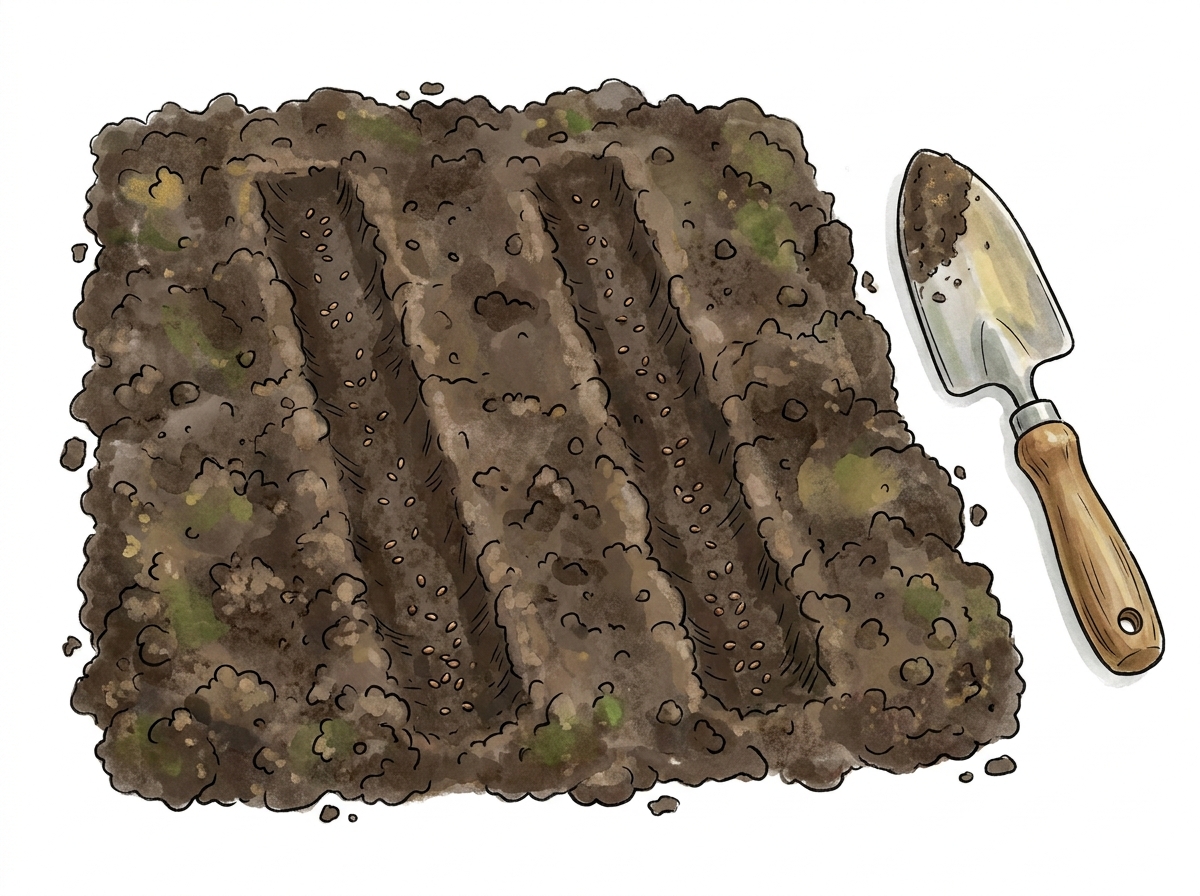
The key to continuous harvest is regular, small sowings. Aim to sow a new row or a section of your container every 2-3 weeks. This staggered approach means you'll always have something ready to pick.
- Prepare your soil: Ensure your soil is well-drained and has some added compost. For containers, use a good quality potting mix.
- Sow thinly: Sow seeds about 1-2 cm (0.5-1 inch) deep. For rows, space them about 10-15 cm (4-6 inches) apart. In containers, you can sow a little closer.
- Water gently: Water the area lightly after sowing. A fine rose on your watering can is best to avoid washing away the seeds.
- Label your rows: Don't forget to label each sowing with the date and variety so you can keep track of what's ready when!
Harvesting Like a Pro
This is where the magic happens! Instead of pulling up the whole plant, you'll be harvesting individual leaves. This encourages the plant to grow more.
- Wait for maturity: Allow plants to establish a good base. For lettuce, wait until the outer leaves are a usable size.
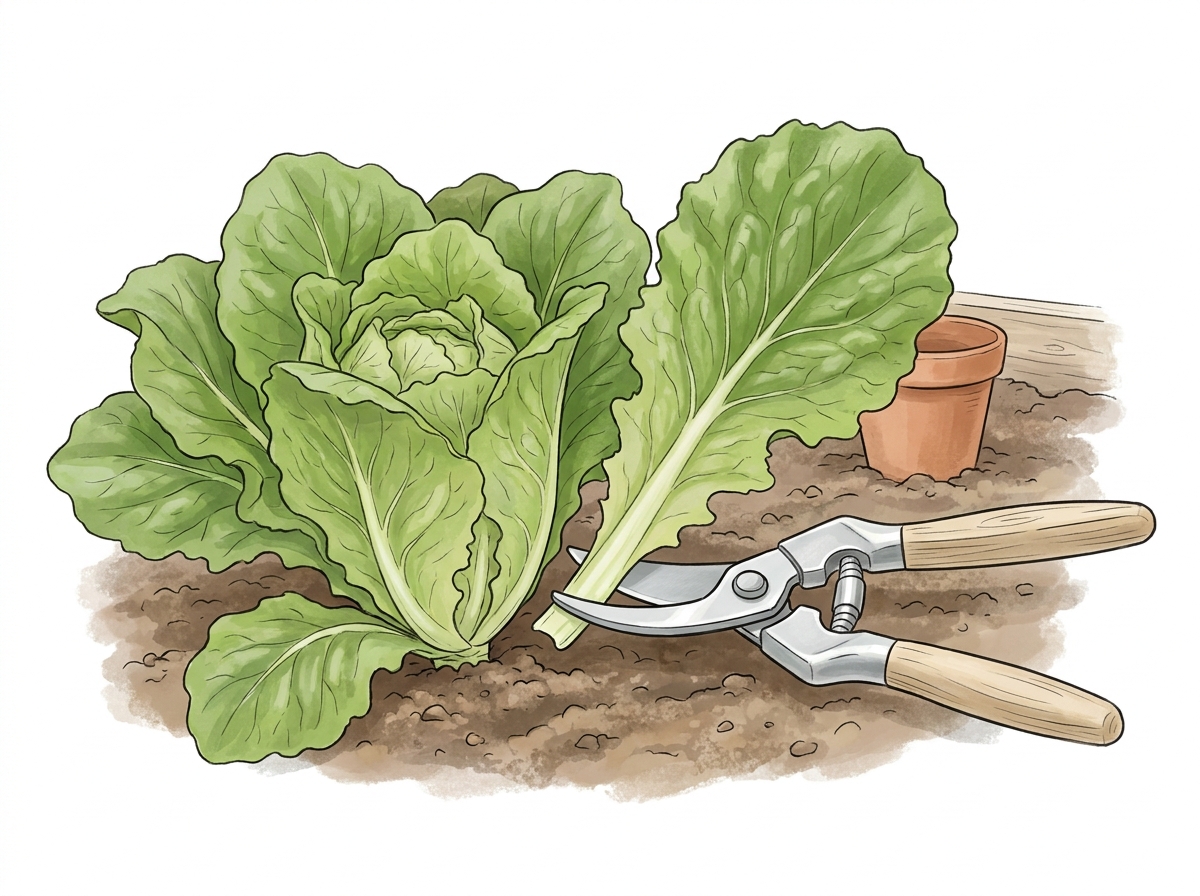
- Cut from the outside in: Using scissors or a sharp knife, snip off the outer leaves, leaving the smaller, central leaves to continue growing.
- Don't take too much: Aim to harvest no more than a third of the plant at any one time. This gives the plant enough energy to regrow.
- Clean harvest: Make sure your cutting tool is clean to prevent disease. Cut just above the soil line if you want the plant to regrow from the base.
Troubleshooting: Bolting and Pests
Even with the best intentions, you might encounter a few issues. Here's how to deal with them.
- Bolting: This is when plants, especially lettuce and rocket, go to seed prematurely, usually due to heat or stress. It makes leaves bitter. To prevent it: choose heat-tolerant varieties in summer, keep plants well-watered, and sow in a spot that gets some afternoon shade during the hottest months.
- Slugs and Snails: These slimy pests love tender salad leaves. Keep an eye out, especially after rain or in the early morning/late evening. Beer traps, crushed eggshells around plants, or organic slug pellets can help. Encourage natural predators like birds and hedgehogs into your garden.
- Aphids: Small green or black insects can appear. A strong jet of water can dislodge them, or a solution of soapy water (1 tablespoon of mild liquid soap to 1 litre of water) sprayed on the affected leaves can help. Always rinse the leaves afterwards.
When using soapy water sprays, ensure the soap is mild and avoid using it on very hot, sunny days as it can scorch the leaves. Always rinse leaves thoroughly before eating, especially if you've used any sprays.
Enjoy Your Bountiful Harvest!
With a little planning and consistent sowing, you'll have a steady stream of fresh, homegrown salads to enjoy all year round. Happy gardening!