Winter Houseplant Survival Guide: Keep 'Em Thriving!
Navigate the challenges of low light, dry air, and reduced watering to keep your indoor jungle happy through the cooler months.
Why Less is More in Winter
As daylight hours shrink and temperatures drop, most houseplants enter a period of dormancy or significantly slow their growth. Their need for water, nutrients, and light decreases. Trying to maintain a summer watering schedule or feeding routine can lead to root rot and other problems. It's time to adjust your care routine to match their natural winter rhythm.
Watering Wisdom: Less is Truly More
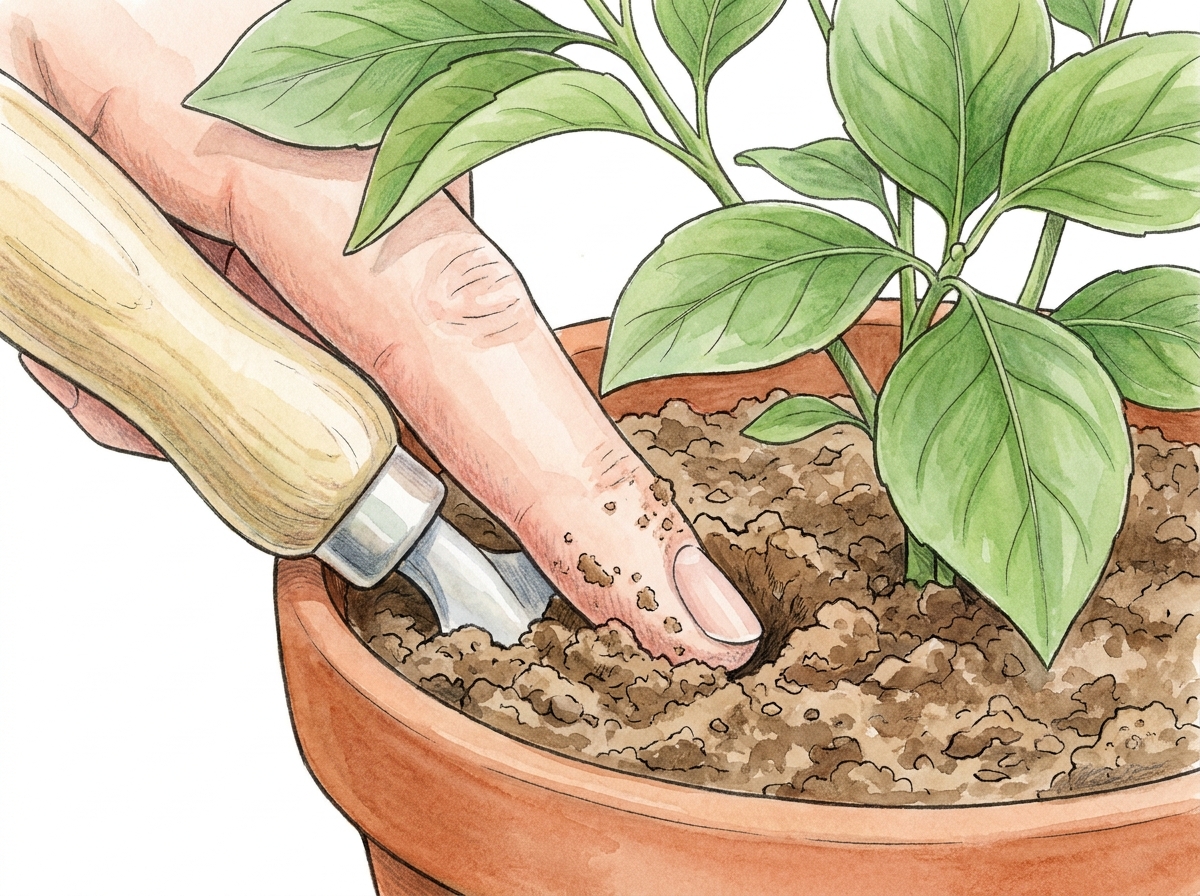
The biggest mistake many indoor gardeners make in winter is overwatering. With slower growth and less light, plants use water much more slowly. Always check the soil moisture before watering. Stick your finger about 2-3 cm (1 inch) into the soil. If it feels dry at that depth, it's time to water. If it's still moist, wait a few more days and check again. Aim to water thoroughly but less frequently than you do in spring and summer.
The Humidity Hustle: Real Help vs. Misting Theatre
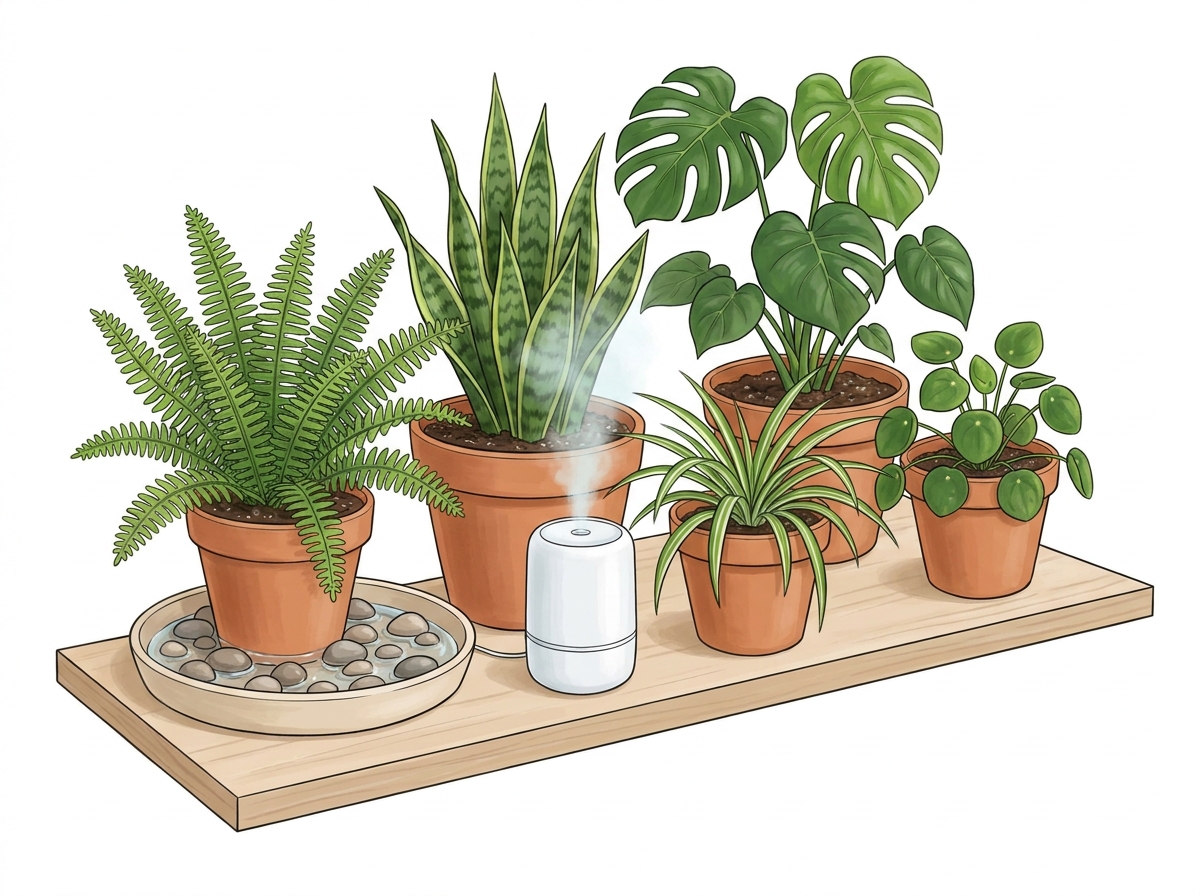
Winter air, especially with central heating, can be incredibly dry. While misting might seem helpful, it provides only a very temporary boost and can sometimes encourage fungal issues on leaves. A more effective strategy is to increase ambient humidity around your plants. Grouping plants together can create a microclimate with higher humidity. Alternatively, place plants on pebble trays filled with water – the evaporating water will increase humidity. For larger collections, a room humidifier is the most efficient solution.
Temperature Troubles: Cold Drafts and Hot Air
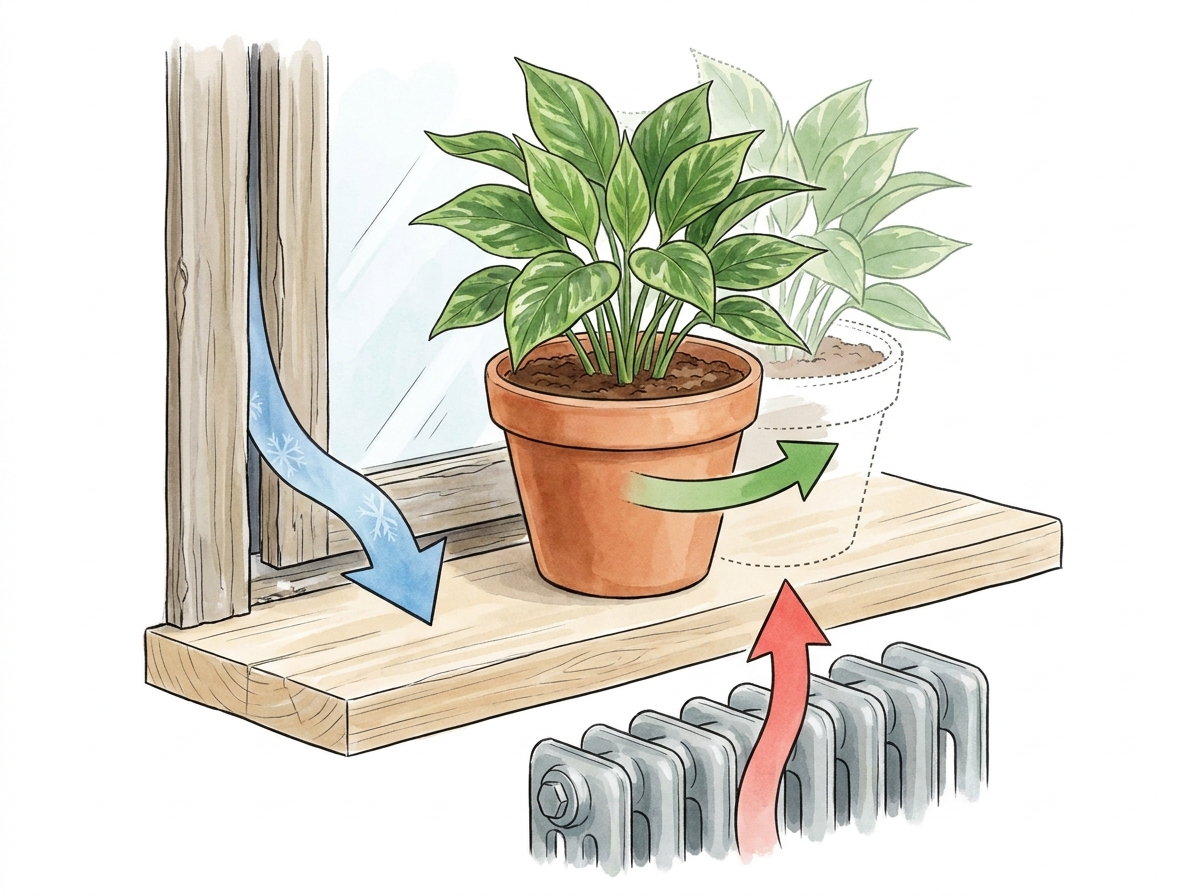
Keep your plants away from cold drafts from windows and doors, especially in late winter. Also, ensure they aren't placed too close to heat sources like radiators or vents, as this can dry them out rapidly and scorch their leaves. Moving plants slightly away from cold window panes, especially at night, can prevent shock. If you have a very sunny window, and it's the warmest spot, ensure the plant isn't directly touching the glass.
Feeding Frenzy: What to Stop and When
During their dormant or slow-growth period, houseplants don't need regular feeding. Fertiliser can build up in the soil and even burn the roots when the plant isn't actively growing to use it. It's best to stop feeding entirely from late autumn through to early spring. You can resume feeding when you notice signs of new growth, typically as the days start to lengthen and temperatures rise in spring.
Winter Care Checklist
- Water only when the top 2-3 cm (1 inch) of soil is dry.
- Reduce watering frequency significantly.
- Increase ambient humidity using pebble trays or a humidifier.
- Keep plants away from cold drafts and direct heat sources.
- Stop fertilising from late autumn until early spring.
- Wipe leaves occasionally to remove dust, which helps them absorb light.