
Unlocking Your Home's Light Secrets: The Perfect Plant Match!
Discover how your windows actually work and find the ideal leafy companions for every spot.
Understanding Your Home's Light Zones
Light is the most crucial element for indoor plants. Not all light is created equal, and understanding what your windows offer is key to happy, thriving greenery. Let's decode the light in your home, season by season.
Window Aspects & Seasonal Light
Each window 'aspect' (its direction) provides different light qualities throughout the year. Remember, the sun's path changes dramatically between summer and winter.
- The Sunniest Side (South-facing in the Northern Hemisphere, North-facing in the Southern Hemisphere): Offers the most intense, direct light, especially in winter when the sun is lower. In summer, the sun is higher, and this aspect might offer bright, indirect light for much of the day, with direct sun for shorter periods.
- East-Facing Windows: Provide gentle morning sun, which is bright but not scorching. This is lovely, bright, indirect light for most of the day after the initial sun has passed, with less intensity than the sunniest side.
- West-Facing Windows: Receive harsh, direct afternoon sun. This can be very hot and intense, especially in summer. It's often too much for delicate plants unless filtered by sheer curtains or a tree outside.
- North-Facing Windows (Northern Hemisphere, South-facing in Southern Hemisphere): Offer the most consistent, gentle, indirect light year-round. This is ideal for plants that prefer shade or low-light conditions.
Light Intensity: How Far From The Glass?
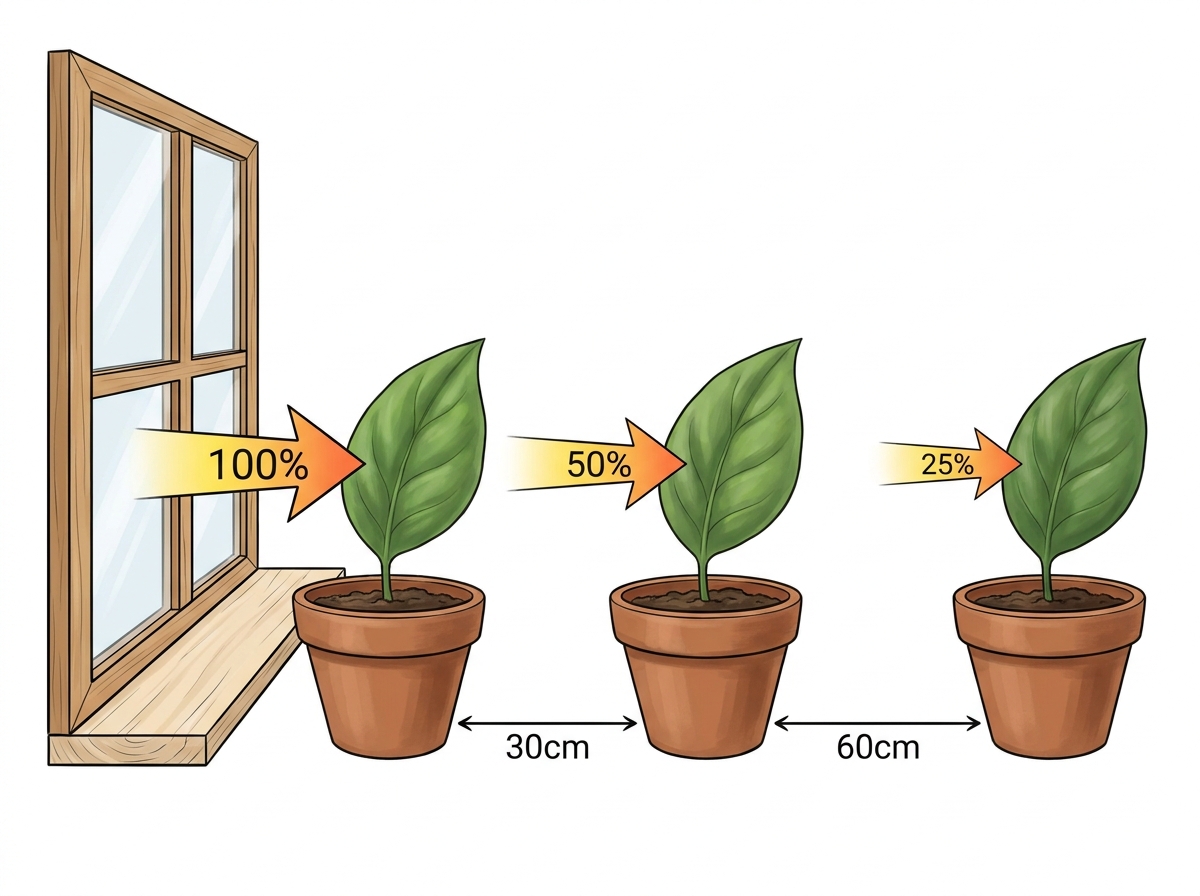
Light intensity drops dramatically the further you move from the window. A general rule of thumb: light intensity halves for every 30cm (1 foot) you move away from the glass. Even a plant right next to a window might only get a fraction of the light directly hitting the pane.
Testing Your Light: Practical Methods
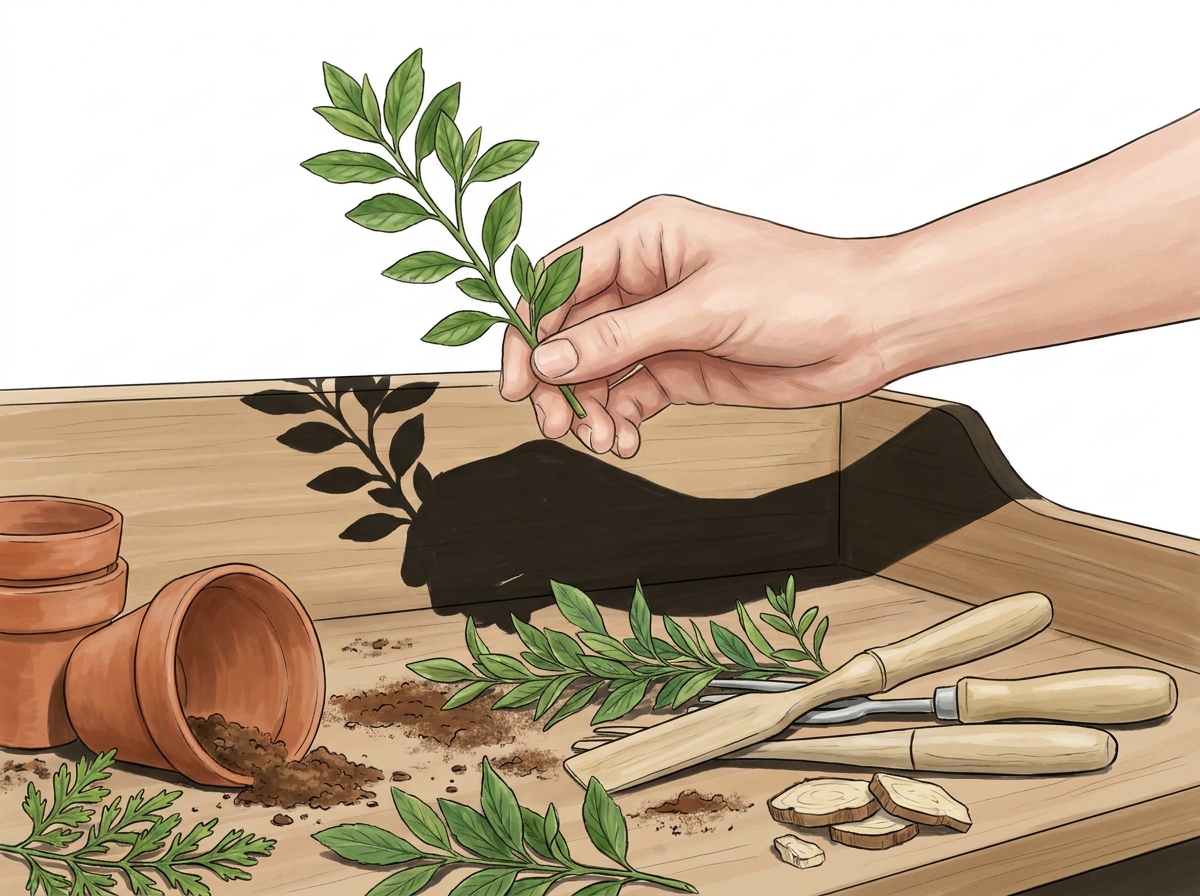
- The Shadow Test: This is a simple, effective way to gauge light levels. On a sunny day, hold your hand about 30cm (1 foot) above where you plan to place the plant. Observe the shadow your hand casts:
- * Sharp, dark shadow: Indicates bright light, suitable for sun-lovers.
- * Faint, fuzzy shadow: Suggests medium, indirect light.
- * Barely visible shadow: Means low light conditions.
While dedicated light meter apps can offer numerical readings, the shadow test is often more practical for beginners. Some apps use your phone's camera to estimate lux levels, which can be helpful for more precise placement, especially for fussy plants.
Matching Plants to Your Light
Now, let's put it all together and find the perfect plant for each light zone in your home.
- Bright Light (Direct Sun for a few hours, or very bright indirect light): Cacti, succulents, Aloe Vera, Bird of Paradise, Croton, Geraniums.
- Medium Light (Bright, indirect light all day, no direct sun): Most common houseplants like Monstera, Pothos, Philodendron, Spider Plant, Peace Lily, ZZ Plant, Snake Plant, Fiddle Leaf Fig, Calathea.
- Low Light (Can tolerate dim conditions, minimal light): Cast Iron Plant, ZZ Plant (highly adaptable), Snake Plant (highly adaptable), Pothos (adaptable), Chinese Evergreen (Aglaonema).
Important Considerations
Remember that 'low light' doesn't mean 'no light'. All plants need some light to photosynthesise. Also, be aware that some plants sold as 'low light' can actually thrive in brighter conditions if you have the space.
Rotate your plants regularly (e.g., a quarter turn every week) to ensure all sides receive adequate light and encourage even growth.
Be cautious when placing plants near windows that receive intense, direct sun, especially during summer afternoons. The glass can magnify the sun's rays, potentially scorching delicate leaves. Consider moving plants back a bit or using sheer curtains to diffuse the light.