
Transform Your Lawn into a Wildflower Meadow
Unlock a haven for wildlife and beauty by ditching the mower for good.
Tired of endless mowing? Converting a section of your lawn into a wildflower meadow is a rewarding way to boost biodiversity and create a stunning, low-maintenance garden feature. The key to meadow success lies in understanding that most wildflowers thrive in low-fertility soil, unlike the rich conditions grasses prefer. Our goal is to reduce soil fertility, making it less hospitable to vigorous grass growth and more welcoming to delicate wildflowers.
Reducing Soil Fertility: The Meadow's Secret Weapon
High fertility encourages lush grass growth that outcompetes wildflowers. To create a meadow-friendly environment, we need to starve the soil. This means avoiding fertilisers and compost, and crucially, removing grass clippings and other organic matter after mowing. Over time, this 'hungry' soil will favour wildflowers. Some gardeners even incorporate sand or gravel to physically dilute nutrients, though this is a more intensive approach.
Sowing vs. Plug Planting: Choosing Your Method
You have two primary methods for establishing your meadow: sowing seeds directly or planting young plants (plugs). Sowing is often more cost-effective for larger areas, but requires patience as seedlings establish. Plug planting offers a quicker visual impact and can be more successful in areas with stubborn grass, as the young plants have a head start. If you're planting plugs into existing turf, you'll need to create gaps for them.
- For Sowing: Prepare a bare soil seedbed. In late autumn or early spring (once the soil is workable), vigorously scarify or rake the lawn area to remove grass and create a fine tilth. Rake off all debris. Sow your chosen wildflower seed mix evenly, following packet instructions for depth and spacing. Lightly tread the area to ensure good seed-to-soil contact.
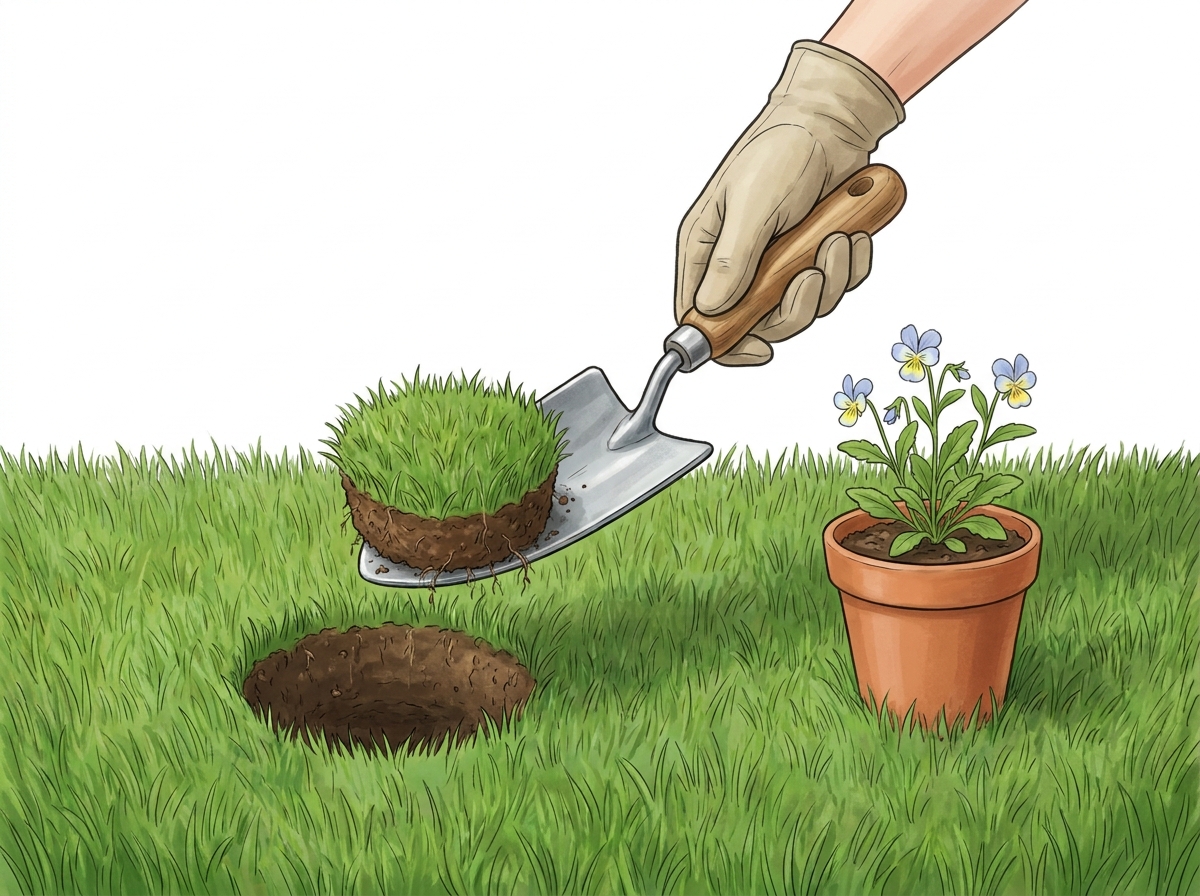
- For Plug Planting into Existing Turf: In late spring or early autumn, use a corer or trowel to remove small plugs of turf where you want to plant. Make these holes large enough to accommodate the plug's root ball. Gently firm the plugs into the holes, ensuring the top of the plug is level with the surrounding grass. Water them in well.
The Power of Yellow Rattle (Rhinanthus minor)
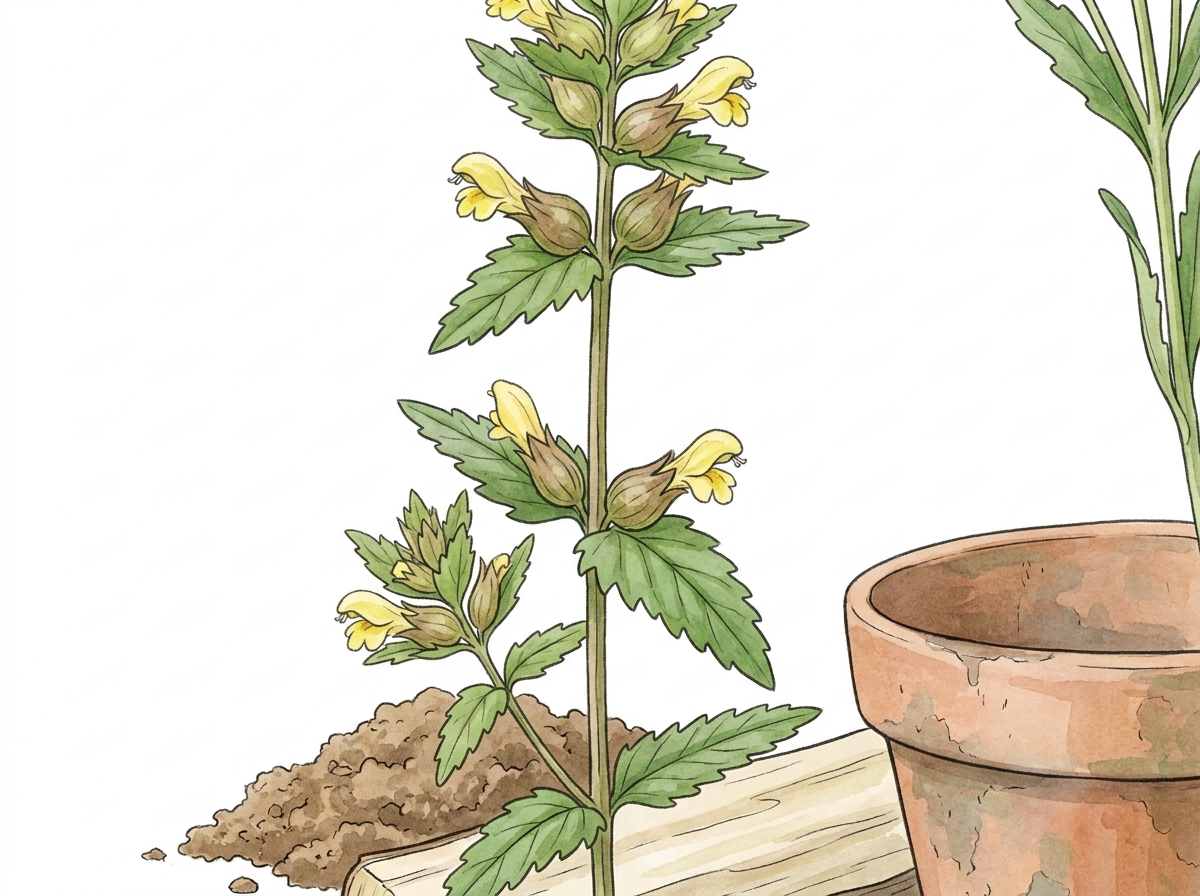
Yellow rattle is a semi-parasitic plant that attaches to the roots of grasses, drawing nutrients from them and weakening their growth. This creates space and reduces competition, allowing more delicate wildflowers to establish. It's an invaluable ally in meadow creation. Sow yellow rattle seeds directly onto your prepared ground or into gaps in the turf at the same time you sow or plant your main wildflower mix.
The Cut-and-Remove Regime: Essential Meadow Maintenance
Once your meadow is established, the key to maintaining low fertility and preventing woody growth is the 'cut-and-remove' method. This mimics the natural processes of grazing and nutrient removal. You'll need to cut the meadow down once or twice a year. The timing is crucial: aim for late summer or early autumn, after most wildflowers have set seed. This allows plants to complete their life cycle and reproduce. You must then remove all the cuttings; this is vital for keeping fertility low.
- Timing: Cut when the majority of wildflowers have finished flowering and set seed, typically in late summer or early autumn.
- Method: Use a scythe, strimmer, or rotary mower set to a high cut. If using a rotary mower, engage the collection bag.
- Removal: Rake up all cuttings immediately after cutting and compost them elsewhere or dispose of them. Do not leave them on the meadow.
- Second Cut (Optional): In some cases, a second, lighter cut in late autumn or early spring might be necessary to tidy up and remove any rampant grasses, again removing all cuttings.
When using tools like scythes, strimmers, or rotary mowers, always wear appropriate safety gear, including sturdy footwear, eye protection, and hearing protection for machinery. Be aware of your surroundings and ensure no people or pets are in the immediate vicinity. Keep blades sharp for cleaner cuts and reduced effort.
Keeping it Intentional: Mown Paths
To ensure your meadow looks intentional rather than neglected, consider maintaining a few mown paths through it. These paths can be cut regularly throughout the growing season, providing access and visual structure. They also create different microhabitats within the meadow. Keep the paths relatively narrow – about 60-90cm (2-3 feet) wide – and use a standard mower or strimmer to keep them short.
Seasonal Considerations
Meadows change throughout the year. Spring sees new growth emerge and early wildflowers bloom. Summer is the peak of flowering, buzzing with insects. Late summer and autumn are when you'll perform your main cut, and you'll notice seed heads ripening. Winter offers a stark beauty, with dried stems and seed heads providing shelter for overwintering insects. The cycle continues, offering year-round interest.