
Thrive, Don't Just Survive: Your Drought-Tolerant Garden Guide
Discover how to select and plant for dry conditions, turning challenging spots into lush, water-wise oases.
Understanding Your Dry Spot
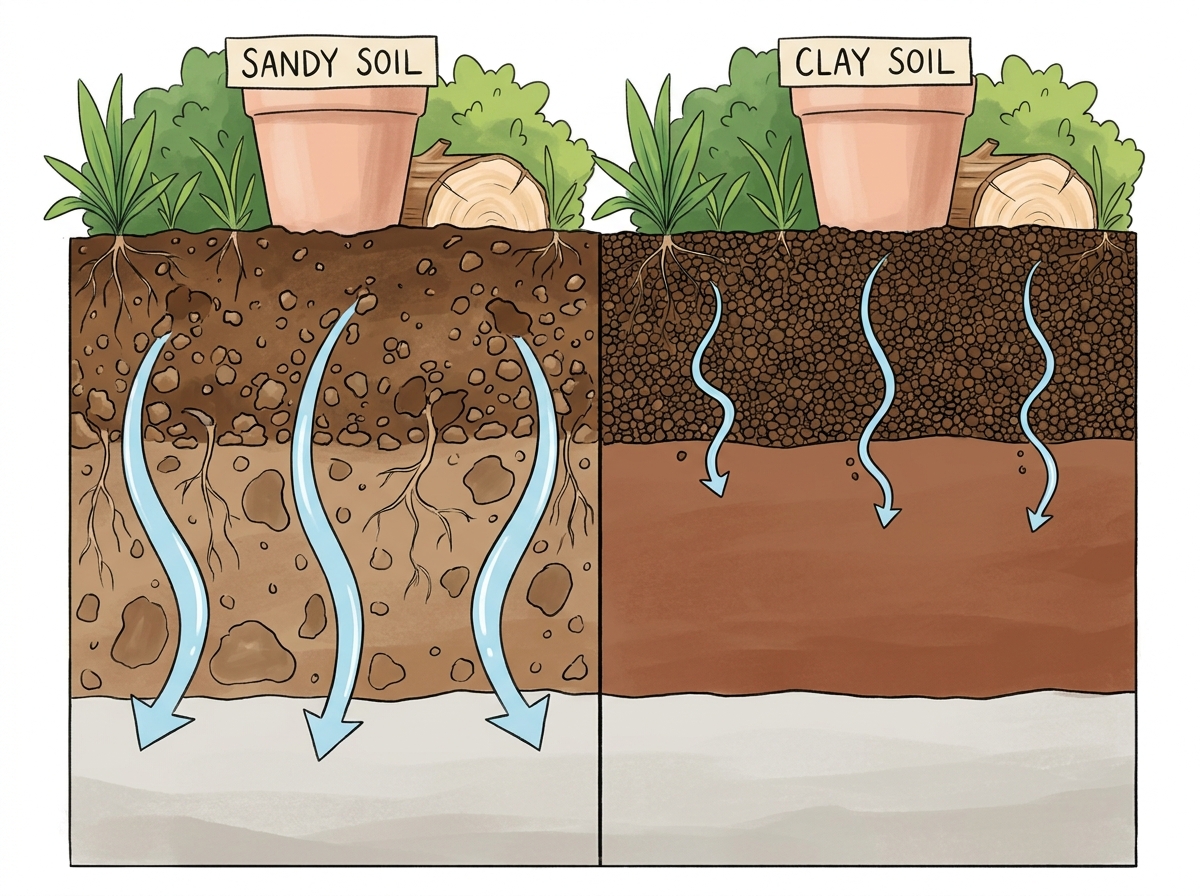
Before you plant a single thing, get to know the conditions. 'Dry' doesn't just mean a lack of rain. It can be caused by fast-draining soil (like sand or gravel), intense sun, reflected heat from walls, or competition from large trees. Observe your chosen spot throughout the day and across seasons. Does it bake in the midday sun? Is it sheltered from rain by an overhang? Understanding these microclimates is key to success.
Signs of a Drought-Tolerant Plant
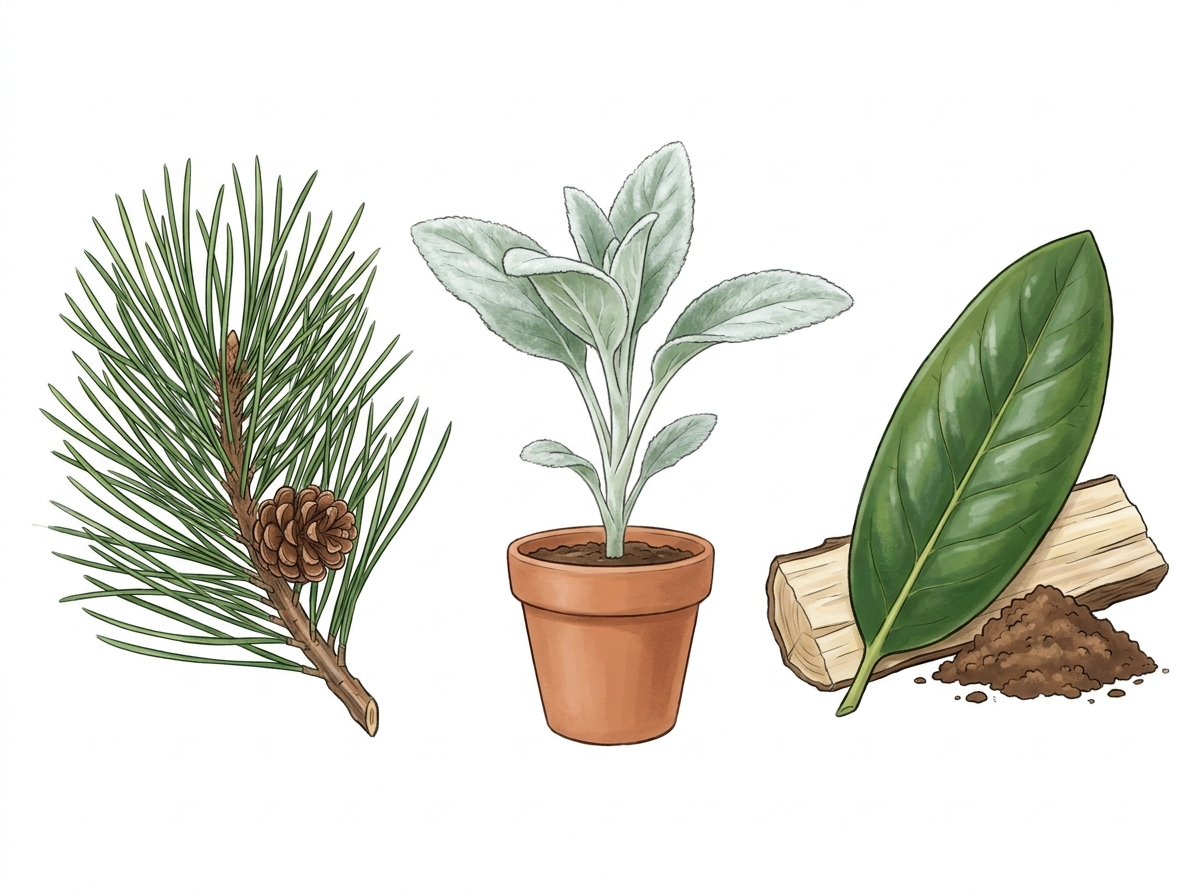
Nature has clever ways of coping with dry spells. Look for these leaf traits on plants labelled as drought-tolerant:
- Small, narrow, or needle-like leaves: Reduces the surface area for water loss through transpiration.
- Hairy or fuzzy leaves: Traps a layer of air, insulating the leaf and reducing evaporation.
- Leathery or waxy leaves: Creates a barrier to prevent water from escaping.
- Silver or grey foliage: Reflects sunlight, keeping the leaf cooler.
- Deeply or intricately divided leaves: Allows wind to pass through more easily, reducing water loss.
Planting for Deep Roots
The goal is to encourage roots to grow downwards, seeking moisture deeper in the soil, rather than spreading shallowly. This is crucial for long-term survival.
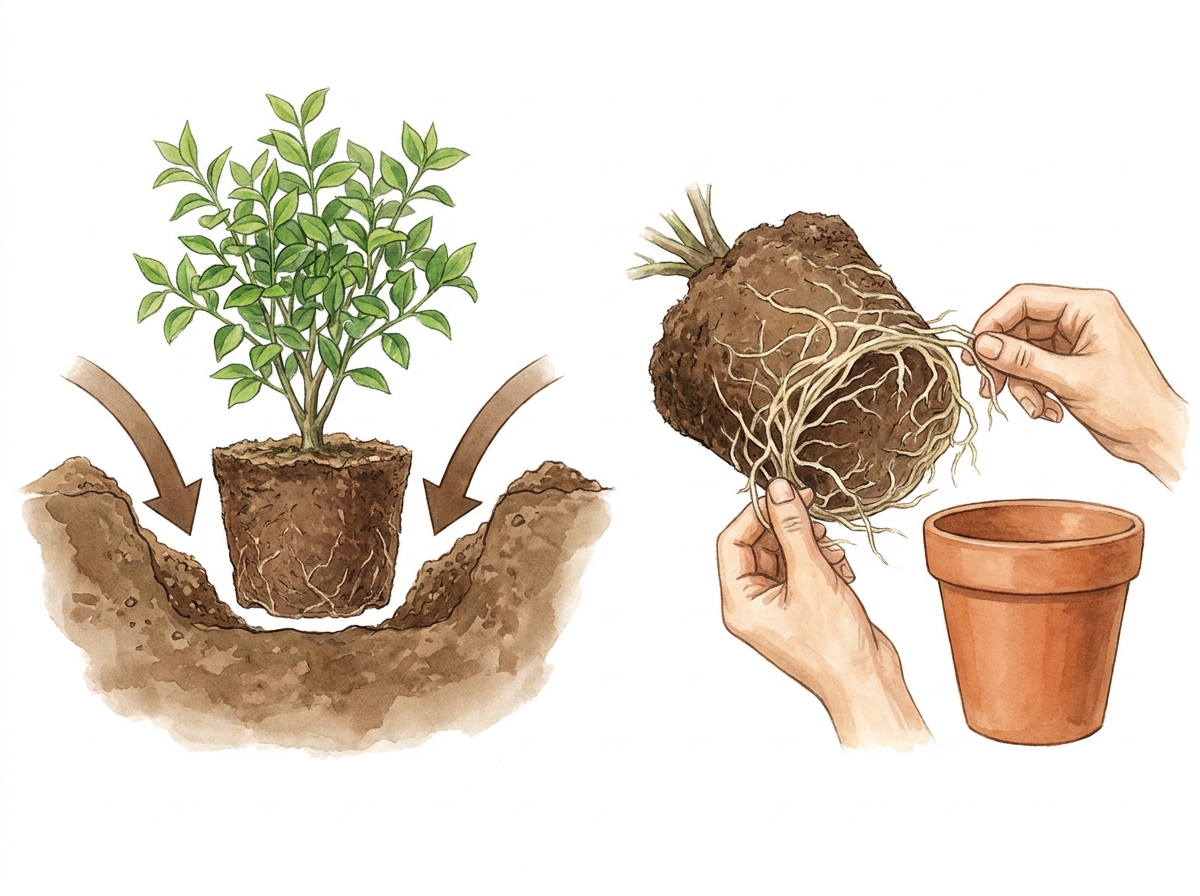
- Dig a planting hole that is at least twice as wide as the plant's root ball, but no deeper. This encourages roots to spread outwards before seeking depth.
- Gently loosen any circling roots on the root ball. If the roots are very tightly bound, you might need to make a few vertical cuts with a clean knife.
- Place the plant in the hole so the top of the root ball is level with, or slightly above, the surrounding soil. This prevents water from pooling around the stem.
- Backfill the hole with the original soil, firming it gently to remove large air pockets. Avoid adding too much rich compost at this stage, as it can encourage shallow rooting.
The Power of Mulch
Once planted, mulch is your best friend for conserving moisture. Apply a layer of organic mulch (like bark chips, compost, or straw) 5-7.5 cm (2-3 inches) deep around the base of your plants. Keep the mulch a few centimetres away from the plant stems to prevent rot and discourage pests.
The Establishment Period
Even drought-tolerant plants need regular watering when they are first establishing. This usually takes one to two full growing seasons. During this time, water deeply when the top few centimetres (an inch or two) of soil feel dry. Once established, they will be far more resilient and require significantly less intervention. You'll know they're established when they show healthy new growth and the root system has developed.
Be careful when using garden tools like spades and secateurs; always wear sturdy footwear and consider gloves. When handling mulch, be aware of potential allergens or irritants. Always wash your hands after gardening.