
Thirsty or Drowning? Master the Art of Houseplant Watering
Stop guessing and start understanding your plant's real needs.
We've all been there: your beloved plant is drooping, and you're frantically wondering if it needs a drink or if you've already gone too far. The truth is, a rigid watering schedule is a recipe for disaster. Plants have unique needs that change with the seasons, light levels, and even the type of pot they're in. Let's learn to read the signs!
Why Schedules Fail
A schedule like 'water every Sunday' ignores critical factors. A plant in bright, direct light in the height of summer will dry out much faster than the same plant in a shady corner during the dim days of late winter. Pot material also plays a huge role: terracotta dries out quickly, while plastic retains moisture.
The Best Watering Tests
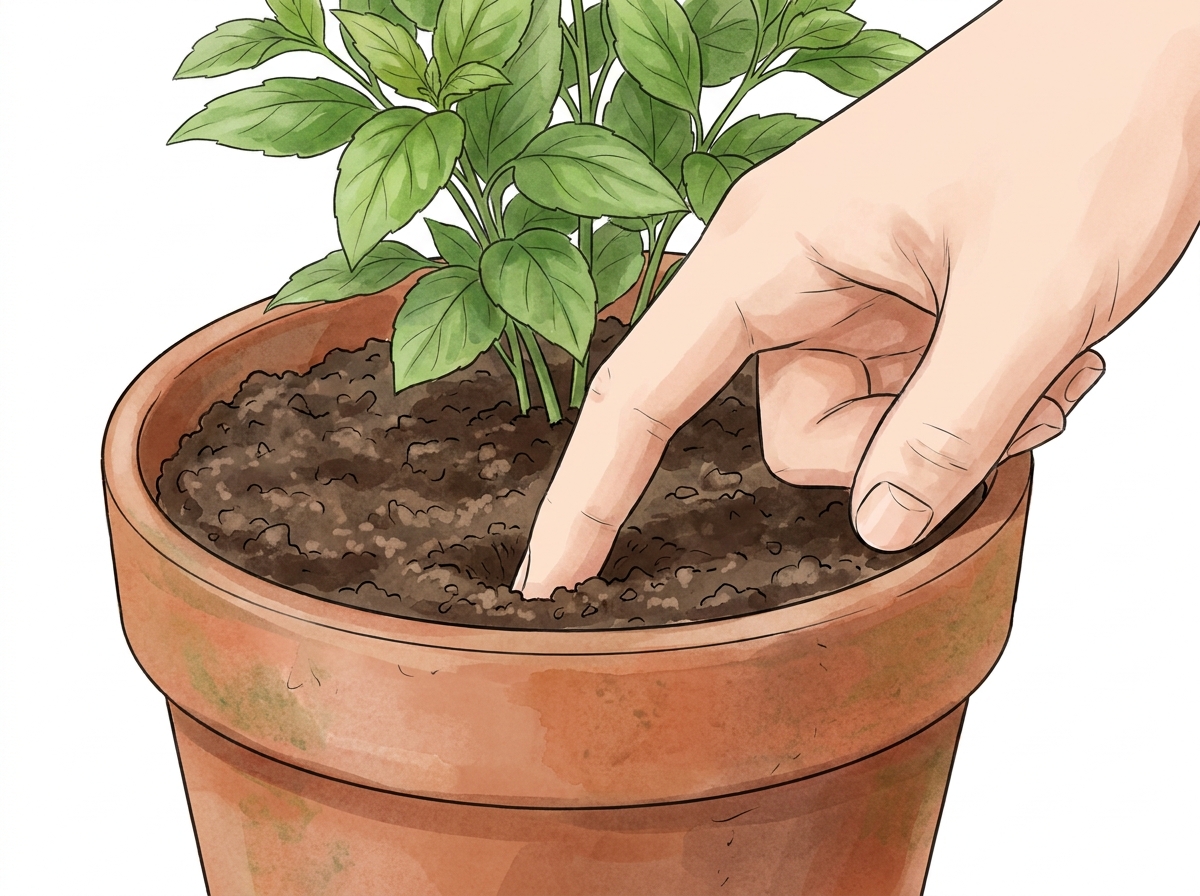
- The Finger Test: Stick your finger about 2-3 inches (5-7.5 cm) into the soil. If it feels dry, it's likely time to water. If it feels moist, hold off.
- The Weight Test: Get to know the weight of your plant when it's just been watered and when it's dry. Lift the pot after watering, then lift it again a few days later. A dry pot will feel noticeably lighter. This is often the most reliable method.
- The Moisture Meter: These are affordable gadgets that measure soil moisture. Insert the probe into the soil at root level and read the indicator. Remember to calibrate it according to the manufacturer's instructions and test in a few spots.
Drought vs. Overwatering: The Drooping Dilemma
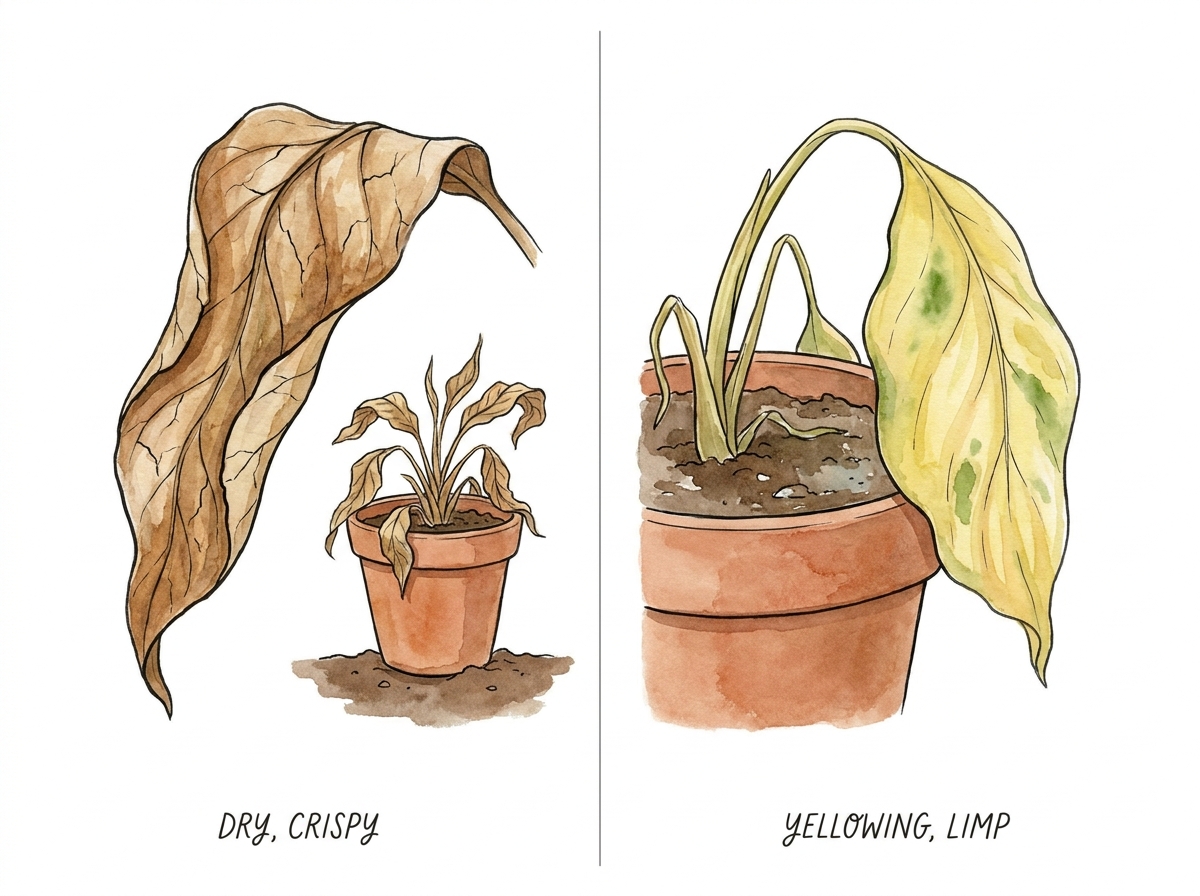
This is where things get tricky. Both too much and too little water can cause leaves to droop and yellow. The key difference is often the soil condition and the feel of the plant.
- Drought Stress: Leaves will often feel dry, crispy, or papery, and may curl inwards. The soil will be dry to the touch and the pot will feel light. The plant looks 'sad' and wilted.
- Overwatering: Leaves may feel soft, limp, and may develop yellow or brown spots. The soil will be soggy, and the pot will feel heavy. Roots can rot in constantly wet soil, leading to wilting that mimics drought.
Potting and Drainage: The Foundation of Good Health
Good drainage is non-negotiable. Ensure your pot has drainage holes at the bottom. If it doesn't, consider repotting or using a cachepot system (where the plant sits in a plastic pot inside a decorative outer pot, with pebbles in the bottom to keep the inner pot elevated).
- Terracotta Pots: Breathable and porous, they allow soil to dry out faster. Ideal for plants that prefer drier conditions or for those prone to overwatering.
- Plastic/Glazed Ceramic Pots: Non-porous, they retain moisture much longer. Be extra careful not to overwater with these.
- Self-Watering Pots: These have a reservoir that provides a consistent moisture level. They are great for busy plant parents but still require monitoring to ensure the plant isn't sitting in waterlogged soil.
When to Water: The Golden Rule
Water thoroughly when the top 1-2 inches (2.5-5 cm) of soil feel dry, or when the pot feels significantly lighter than usual. Allow excess water to drain away completely. Never let a plant sit in a saucer full of water.
Watering from the bottom can be beneficial for some plants. Place the pot in a tray of water for about 30 minutes, allowing the soil to wick up moisture from the drainage holes. This ensures the entire soil ball gets hydrated.
Always ensure you are using clean watering cans and tools. Avoid using water that is too cold or too hot, as extreme temperatures can shock plant roots. If using tap water that is heavily treated, consider letting it sit out overnight to allow chlorine to dissipate, or use filtered or rainwater.