
The Sun-Kissed Sanctuary: Crafting Your Mediterranean Gravel Garden
Transform a hot, dry space into a fragrant, low-water oasis with the secrets of Mediterranean gravel gardening.
Dreaming of a garden that thrives on sunshine and shrugs off drought? A Mediterranean gravel garden is your answer. It's not about rich soil; it's about superior drainage, mimicking the arid conditions these beautiful plants adore. We'll focus on selecting the right plants and mastering the gravel technique for a stunning, water-wise landscape.
Why Gravel? The Drainage Advantage
The key to a successful Mediterranean gravel garden lies in its substrate. Forget compost; we're aiming for sharp drainage. Gravel provides this by preventing waterlogging, which is fatal to many drought-tolerant species. It also suppresses weeds and reflects light and heat, further aiding plant establishment and reducing water loss.
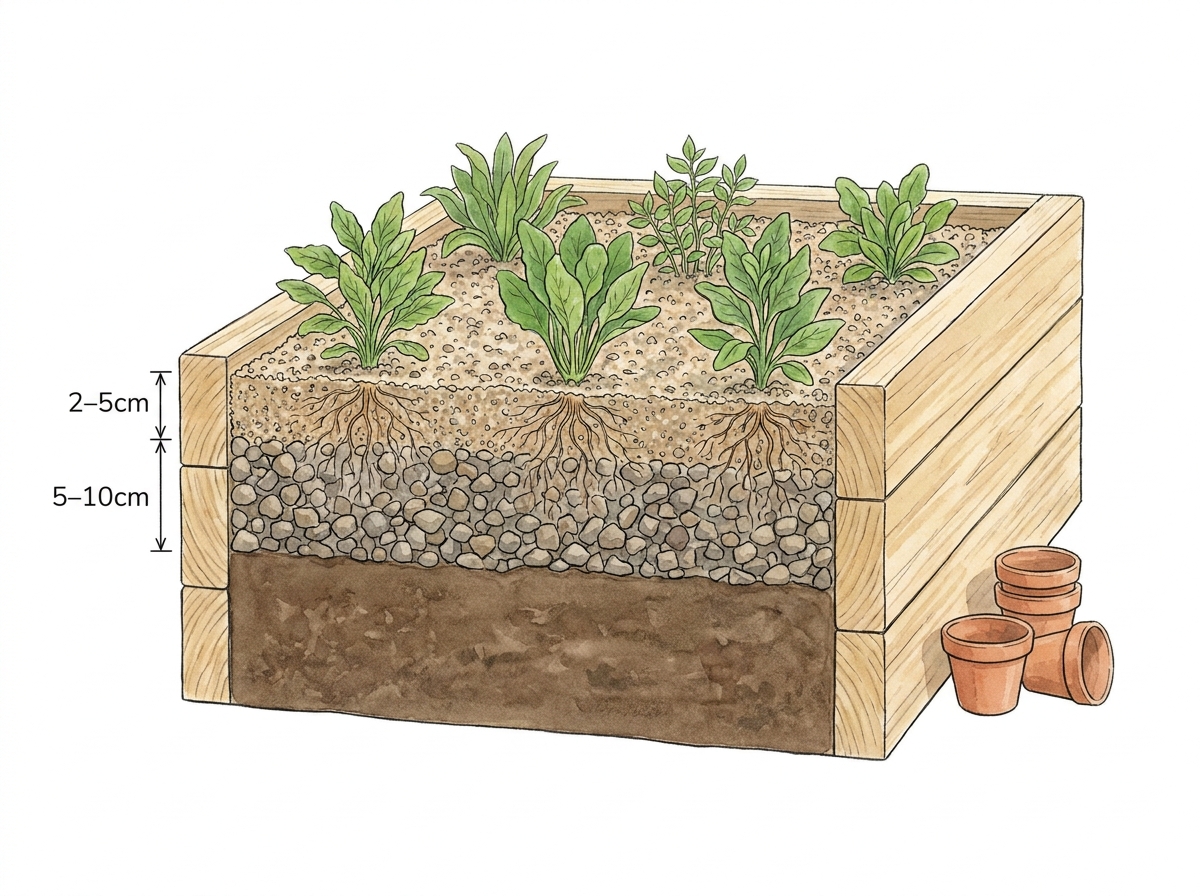
The depth of your gravel is crucial. A minimum of 5cm (2 inches) of coarse gravel is recommended to create a free-draining environment. This gravel should ideally sit on a layer of compacted subsoil, preventing roots from delving into cooler, damper earth below. The planting medium is then the gravel itself, not the soil beneath.
Choosing Your Drought-Defying Stars
Opt for plants that naturally hail from Mediterranean climates or other hot, dry regions. Look for silver or grey-green foliage – this is a classic adaptation for reducing water loss and reflecting intense sun. Aromatic herbs are also excellent choices, as their oils often help deter pests and reduce transpiration.
- Herbs: Lavender (Lavandula), Rosemary (Rosmarinus officinalis), Thyme (Thymus), Sage (Salvia officinalis), Oregano (Origanum vulgare)
- Perennials: Echinacea (Coneflower), Gaillardia (Blanket Flower), Sedum (Stonecrop), Stachys byzantina (Lamb's Ears), Santolina (Cotton Lavender)
- Grasses: Festuca glauca (Blue Fescue), Stipa tenuissima (Mexican Feather Grass)
- Shrubs: Cistus (Rock Rose), Olearia (Daisy Bush), Hebe (Veronica)
Planting Through the Gravel: A Gentle Approach
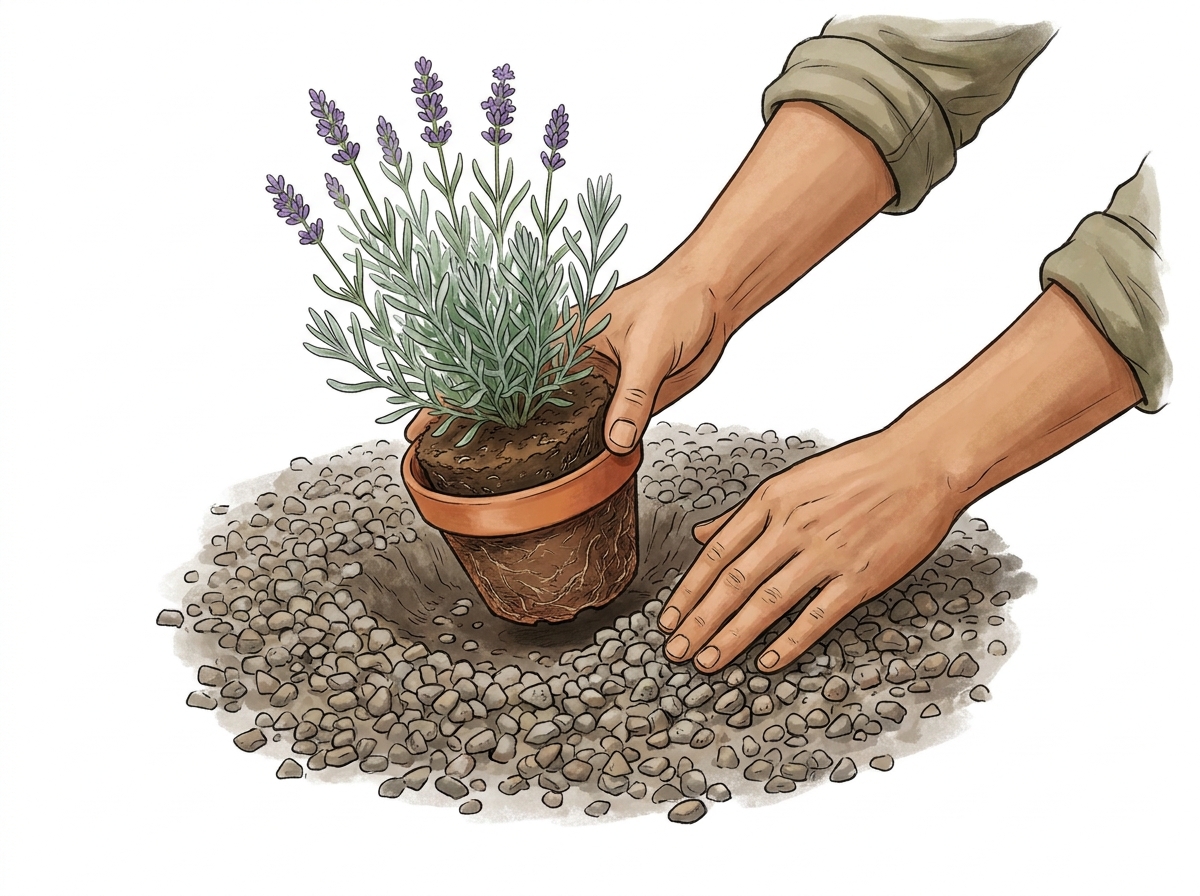
Planting into a gravel garden requires a specific technique. You are not digging into the soil below; you are creating a planting pocket within the gravel layer. This ensures the plant's roots stay within the well-drained zone.
- Prepare your planting area by ensuring the gravel depth is adequate (at least 5cm/2 inches).
- Gently push aside the gravel where you intend to plant, creating a small depression.
- Carefully remove your chosen plant from its pot, disturbing the root ball as little as possible.
- Place the plant into the depression, ensuring the top of its root ball is level with the surrounding gravel surface.
- Backfill the void around the root ball with more gravel, firming it gently to support the plant.
- Avoid compacting the gravel excessively; you want to maintain air pockets.
Watering In: The Crucial Establishment Phase
Once planted, your new arrivals will need consistent watering to establish their root systems. This is the most water-intensive period. However, this is not about keeping the gravel perpetually wet, but about encouraging roots to seek moisture within the well-drained substrate.
- Water thoroughly immediately after planting.
- For the first few weeks, water regularly, allowing the gravel to dry out slightly between waterings. Check by feeling beneath the surface gravel.
- As plants establish (typically after a few months), gradually reduce watering frequency.
- The goal is to encourage roots to grow downwards into the slightly deeper, more moisture-retentive (but still well-drained) zones.
- Once established, these plants should require minimal supplemental watering, thriving on natural rainfall.
Ongoing Care and Considerations
Mediterranean gravel gardens are generally low-maintenance. Weeding is minimal once the gravel is established. You may need to top up the gravel occasionally if it gets displaced. Pruning is usually done after flowering to maintain shape and encourage new growth. Deadheading spent flowers can also improve appearance and prevent unwanted self-seeding.
Be cautious when using sharp gravel, especially when handling large quantities. Wear sturdy gloves to protect your hands from abrasions. Ensure children and pets do not ingest gravel. When using secateurs or loppers for pruning, always cut away from your body and be aware of your footing to avoid slips.