
The Succession Sowing Secret: Constant Harvests, No Gluts!
Master the art of continuous cropping for a plot that yields all season long, from early spring to late autumn.
Tired of a mountain of runner beans one week, followed by nothing for a fortnight? Succession sowing is your answer. It's the intelligent gardener's approach to ensuring a steady, manageable supply of your favourite crops throughout the growing season, avoiding those overwhelming gluts and frustrating gaps.
The Core Principles
Succession sowing hinges on a few key strategies:
- Interval Sowing: Planting the same crop multiple times at regular intervals (e.g., every 2-3 weeks).
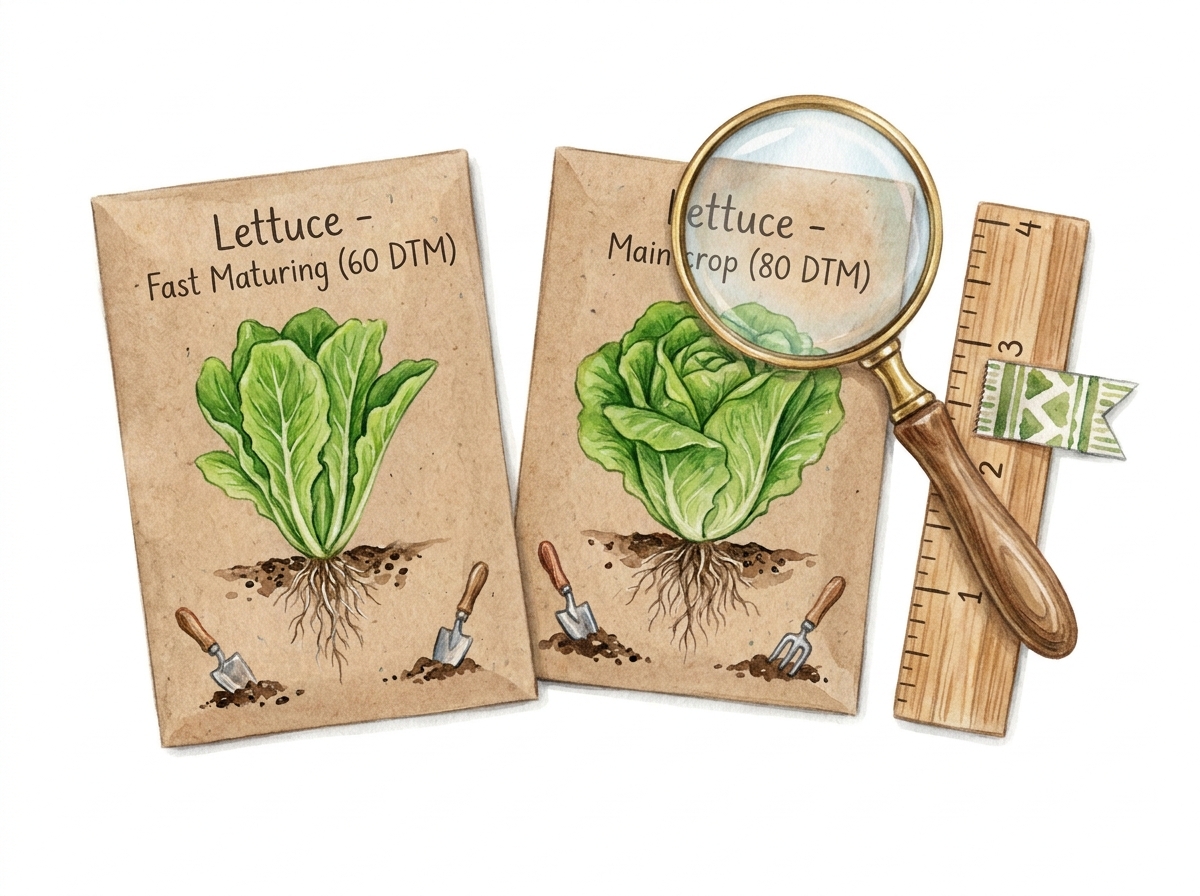
- Staggered Varieties: Choosing varieties of the same crop with different 'days to maturity' figures.
- Catch Crops: Fast-growing crops planted in the gaps left by main crops or in early/late season.
- Intercropping: Planting quick-growing crops between slower-growing ones.
Understanding Days to Maturity (DTM)
Seed packets give you a DTM figure. This is the approximate time from sowing to harvest under ideal conditions. Use this as a guide, but remember: soil temperature, water, light, and pest pressure all influence growth speed. Factor in a little buffer time, especially for crops sown in cooler conditions or during periods of rapid growth.
For interval sowing, aim to sow your next batch when the previous one is about a third of the way to maturity. For example, if lettuce takes 60 days, sow again every 20 days.
Worked Example: Beans, Carrots & Lettuce
Let's plan a continuous supply for a common trio:
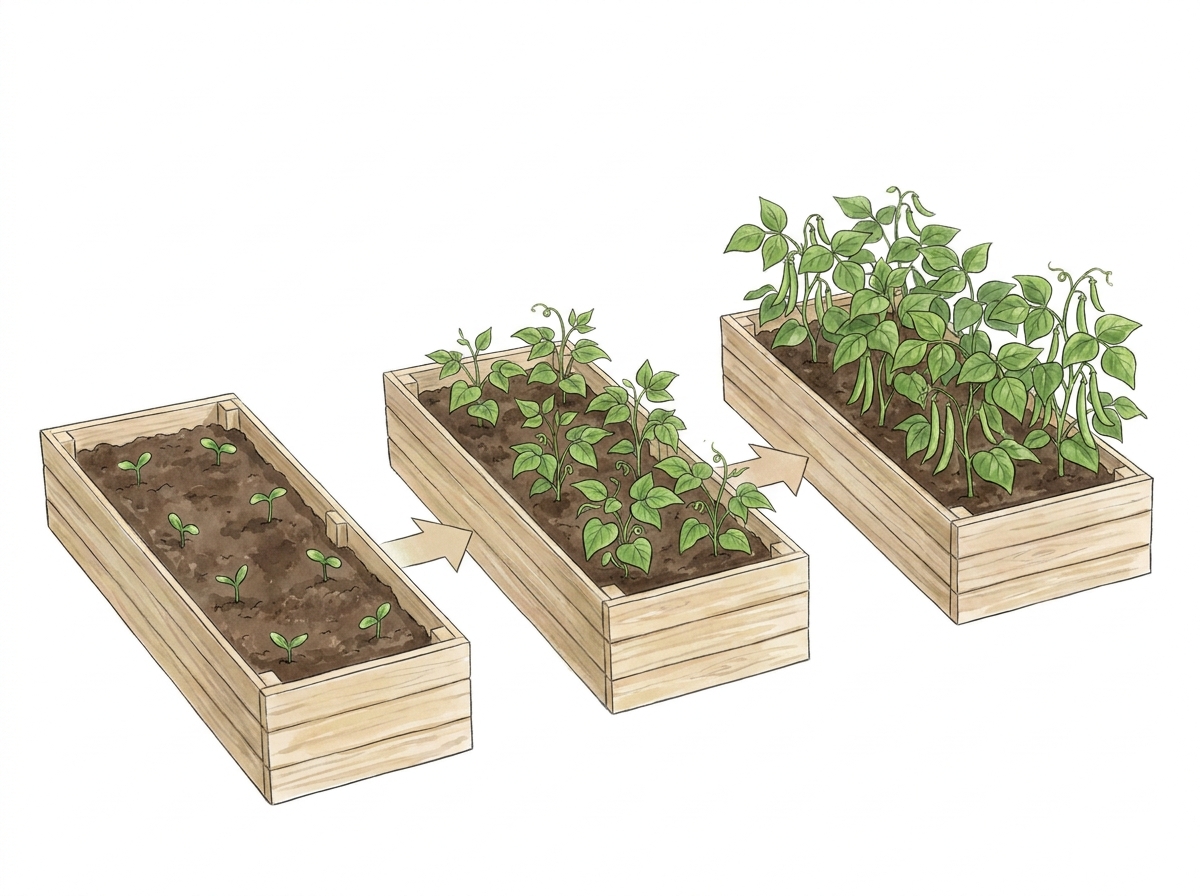
- Beans (e.g., French Beans): Sow the first batch once the soil is warm enough, typically after your last frost. Sow subsequent batches every 3 weeks until mid-summer. Choose varieties with similar DTMs for consistent harvesting.
- Carrots: Sow a fast-maturing variety (e.g., 60-70 DTM) as soon as the soil is workable in early spring. Follow this with a maincrop variety (e.g., 80-90 DTM) about 4-6 weeks later. A third sowing of a faster variety in mid-summer will provide a late autumn harvest.
- Lettuce: Sow a quick-maturing cut-and-come-again variety every 2 weeks from early spring until mid-summer. For larger heads, sow a slower variety at the same intervals, but only until early summer to ensure they mature before the intense heat, which can cause bolting.
Maximising Space: Catch Crops & Intercropping
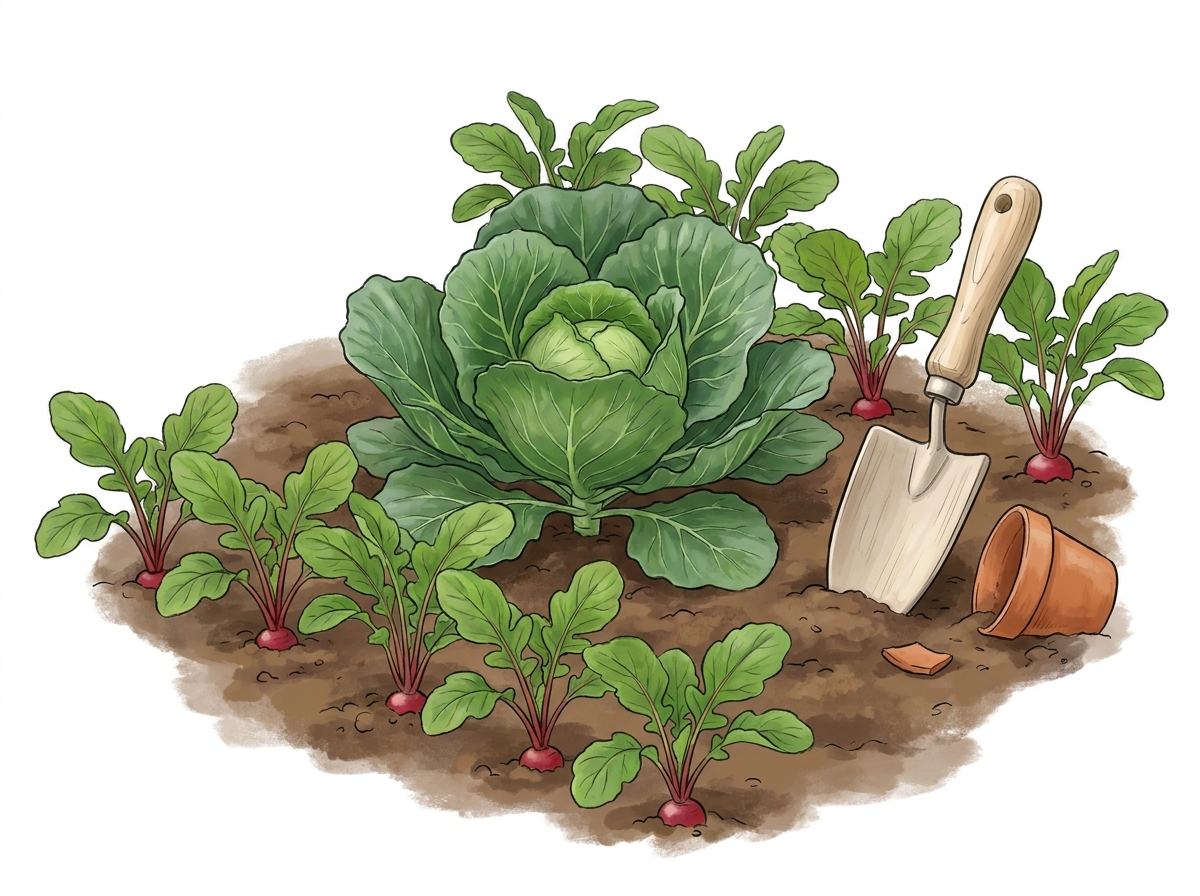
Don't let a bare patch go to waste! As soon as early crops like spinach or radishes are harvested, sow a fast catch crop such as more radishes, salad leaves, or fast-growing beans. Similarly, sow quick-growing carrots or radishes between rows of slower-growing brassicas or leeks while they are still small.
Advanced Techniques & Considerations
Consider the sunniest side of your plot (south-facing in the northern hemisphere, north-facing in the southern) for crops that need warmth and a long growing season. Sheltered spots are good for early sowings. Remember to adjust your sowing times based on your specific microclimate and the prevailing weather each year.
Keep a simple sowing diary. Note down what you sowed, when, which variety, and when you harvested. This data is invaluable for refining your succession sowing plan year on year.
Important Safety Note
Always wash your hands thoroughly after handling seeds and soil, as some seeds can be irritants. Ensure any tools used for sowing, like seed trays or dibbers, are clean to prevent disease transmission.