
The Infinite Cottage Border: A Succession Strategy
Master the art of continuous blooms with layered structure and rhythmic planting for a 3m border.
A successful cottage border relies on 'succession planting'—the technique of layering plants so that as one fades, another takes centre stage. To keep your border active from the first warmth of spring until the first frost of autumn, you must think in three dimensions: structure, mid-season anchors, and late-season performers.
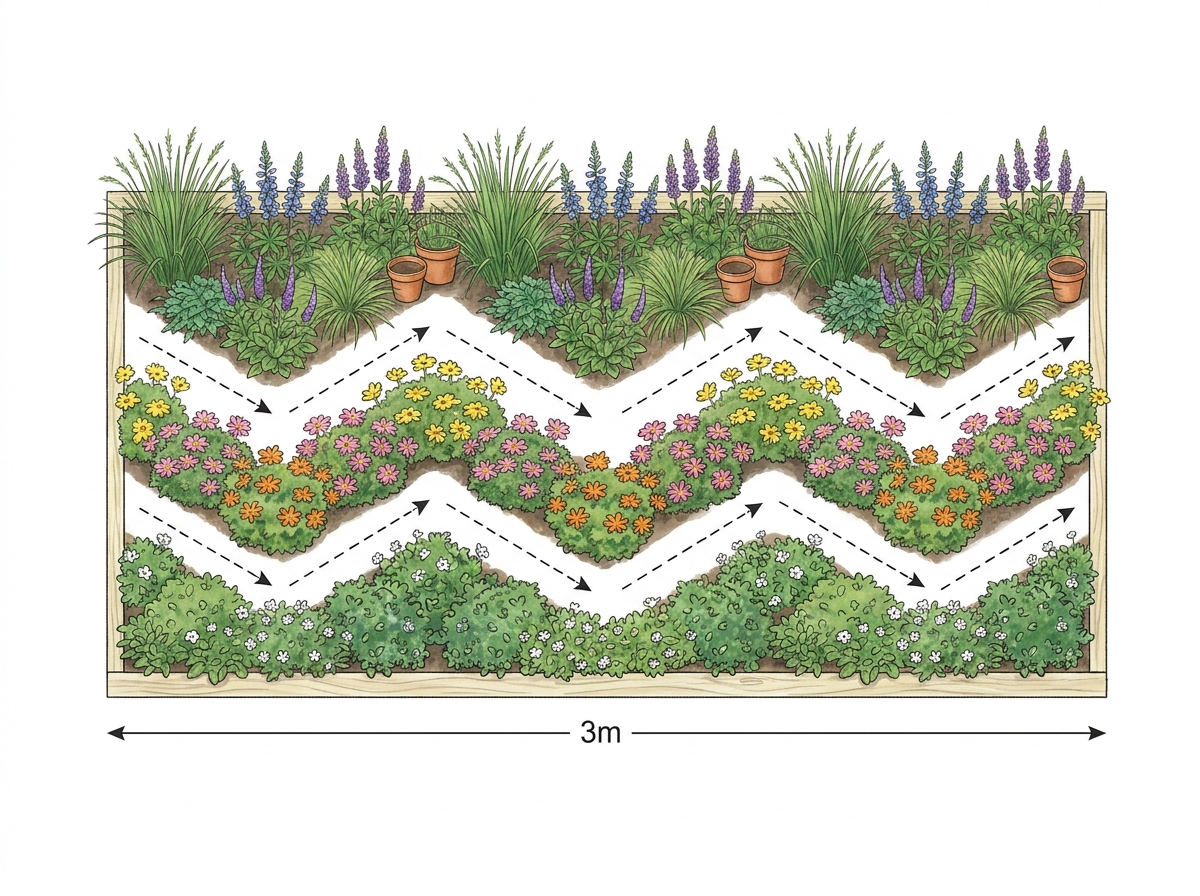
- Establish the backbone: Plant tall, woody-stemmed perennials or shrubs at the rear to provide vertical interest and a backdrop for smaller blooms.
- Map your drifts: Instead of single specimens, plant in odd-numbered groups (3s or 5s) of the same species to create visual 'drifts' that draw the eye.
- Layer by height: Place tall plants at the back, medium-height perennials in the centre, and low-growing ground covers or bulbs at the front edge.
- Phase the colour: Ensure you have early-season bulbs tucked beneath mid-season perennials, and late-season salvias or sedums ready to take over as the summer heat wanes.
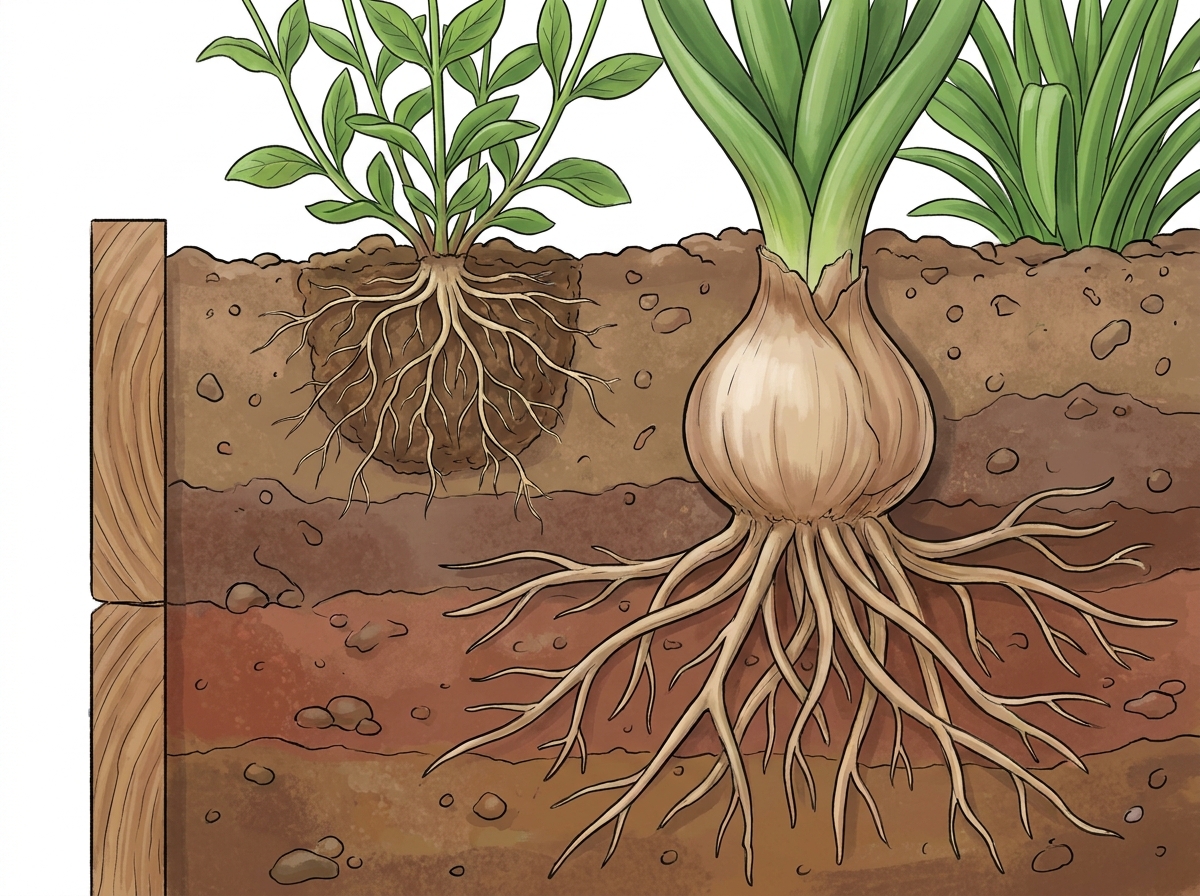
Use 'bridge plants' like hardy geraniums; they have a long flowering season and a neat habit, making them perfect for filling the gaps between early spring bulbs and late autumn interest plants.
Always wear thick gardening gloves when working with plants like Euphorbia or Aconitum, as their sap can cause skin irritation or rashes. Keep sharp tools stored away from reach when not in use.
Once the soil is workable, prepare your border by incorporating 5cm (2 inches) of organic compost. When planting, ensure your tallest plants do not cast a shadow over the sunniest side of the border, as this will inhibit the growth of your light-loving late-season performers.