
Propagate with Purpose: Dividing Perennials for a Fuller Garden
Unlock the secret to multiplying your favourite plants for free, by learning which ones thrive on division and how to do it right.
Many of your beloved perennial plants can be easily divided, giving you more plants for free and rejuvenating the parent plant in the process. This technique is fundamental for gardeners looking to expand their collection or simply keep their established plants vigorous and flowering well.
The key to successful division lies in understanding which plants welcome it, and which prefer to be left undisturbed. Some plants, especially those with woody or taproots, can be severely stressed or even killed by division. Always do your research if you're unsure about a specific plant.
Which Plants Love to be Divided?
- Hostas (Hosta spp.)
- Daylilies (Hemerocallis spp.)
- Irises (Iris spp. - Bearded Iris often best divided after flowering)
- Peonies (Paeonia spp. - best divided in autumn)
- Sedums (Sedum spp.)
- Astilbes (Astilbe spp.)
- Coral Bells (Heuchera spp.)
- Phlox (Phlox spp.)
- Grasses (Ornamental Grasses like Miscanthus, Calamagrostis)
Which Plants Resent Division?
- Plants with deep taproots (e.g., Dandelions, Poppies - Oriental)
- Woody shrubs or sub-shrubs (e.g., Lavender, Rosemary - these are better propagated by cuttings)
- Plants that bloom very early or very late in the season, as division can disrupt their flowering cycle (e.g., some early spring bulbs).
Timing is Everything
The ideal time to divide most perennials is either in early spring as new growth begins to emerge but before it gets too large, or in autumn once the heat of summer has passed but with enough time for roots to establish before the ground freezes. Spring division is generally preferred as it gives the plant more time to recover and establish before winter. For plants that bloom in early spring, autumn division is usually better. For those that bloom in summer or autumn, spring division is ideal. Aim for a period when the soil is moist but not waterlogged, and avoid dividing during hot, dry spells or when the plant is in full bloom.
The Division Process: Step-by-Step
- Water the plant thoroughly a day or two before you plan to divide it. This helps to reduce transplant shock.
- Cut back the foliage by about one-third to one-half. This makes the plant easier to handle and reduces water loss.
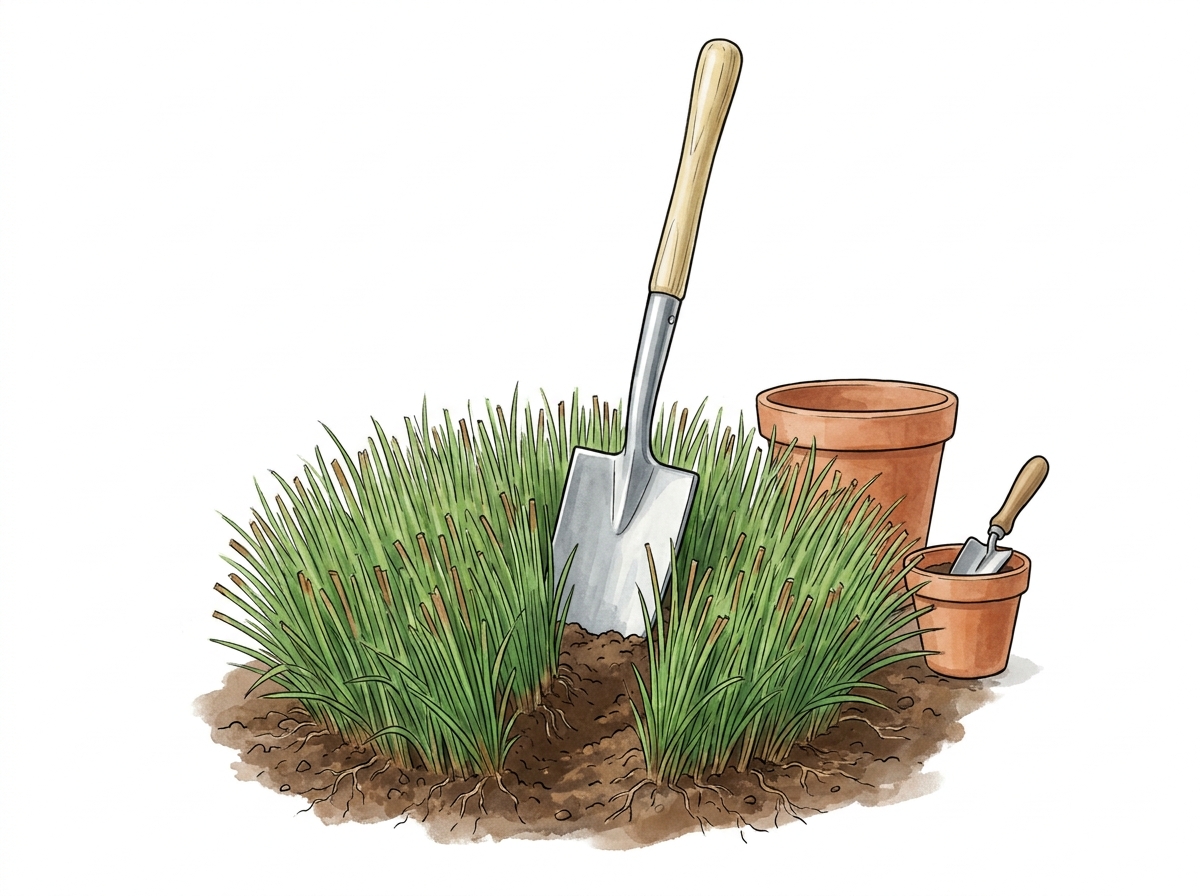
- Carefully dig around the plant, aiming to get as much of the root ball as possible. Loosen the soil away from the main clump.
- Gently lift the entire plant from the ground. If the clump is very large or dense, you may need to use a garden fork or a sharp spade.
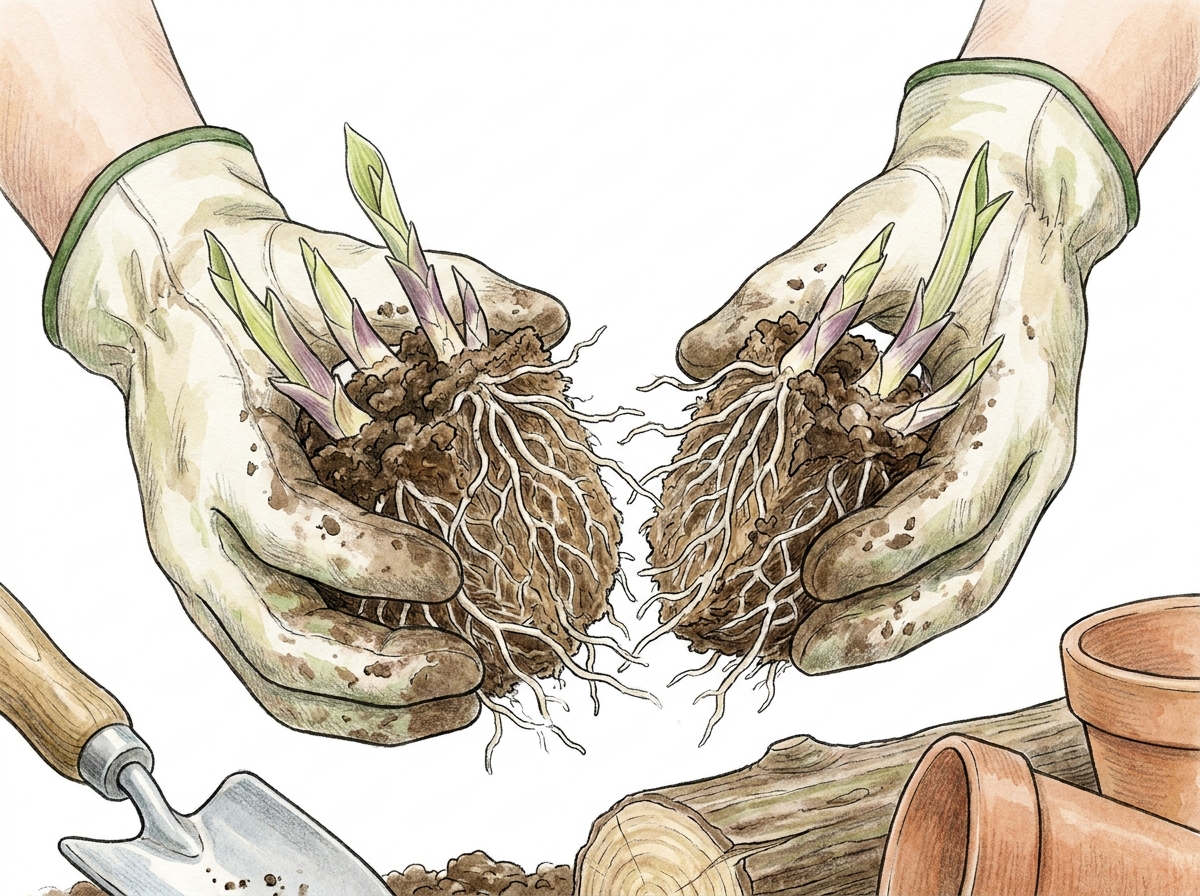
- Examine the root ball. You're looking for natural breaks in the clump. The goal is to create sections, each with healthy roots and some new shoots or buds.
- Separate the clump. For smaller, less dense clumps, you can often pull them apart with your hands. For tougher clumps, use two garden forks inserted back-to-back into the centre of the clump and twist them apart. Alternatively, a sharp spade or knife can be used to cut through stubborn roots.
- Discard any dead, woody, or exhausted material from the centre of the old clump. This is often where growth has slowed or stopped.
- Prepare the planting site. Ensure the soil is well-dug and amended with compost or well-rotted manure. For replanting, dig a hole that is large enough to accommodate the root system of the new divisions without them being cramped.
- Replant the divisions. Place each division in its new spot, ensuring the top of the root ball is level with the surrounding soil. Plant at the same depth as the original plant.
- Water thoroughly after replanting. This settles the soil around the roots and helps to eliminate air pockets.
- Mulch around the newly planted divisions. This helps to retain moisture and suppress weeds. Keep the mulch a little away from the immediate stem to prevent rot.
Aftercare is Crucial
Keep the newly divided plants well-watered, especially during the first few weeks, until they are well-established. You may notice some wilting initially, but regular watering will help them recover. Avoid fertilising immediately after division; wait until you see signs of new growth. For divisions planted in autumn, mulch them well to protect the young roots from frost. Divisions planted in spring are less vulnerable to winter damage.
When using a spade or knife for division, always ensure you have a firm grip and are aware of where your hands and feet are to avoid injury. Wear sturdy gloves to protect your hands from soil and potential thorns. Be mindful of buried utilities or rocks when digging.
Troubleshooting Common Issues
If your divisions fail to establish, it could be due to insufficient watering, dividing at the wrong time of year, or taking divisions that were too small or lacked adequate root systems. Always aim for sections that are at least 7.5-10cm (3-4 inches) across, with plenty of healthy roots and visible buds.