
Precision Pest Management: Thresholds, Biologicals, and Monitoring
Elevate your plant care strategy from reactive to proactive with advanced integrated pest management techniques.
Understanding Action Thresholds
The traditional approach of eradicating pests upon first sighting is often inefficient and can disrupt beneficial insect populations. Instead, professional horticulturists define action thresholds – the population density of a pest at which intervention becomes economically or aesthetically justifiable. This requires a nuanced understanding of the plant's tolerance, the pest's life cycle, and the environmental context. Thresholds are not static; they must be reassessed based on the season, plant maturity, and the presence of natural enemies. For example, a few aphids might be acceptable on a mature, robust specimen late in the growing season, but unacceptable on a young, vulnerable seedling at the start of its development.
Systematic Monitoring Protocols
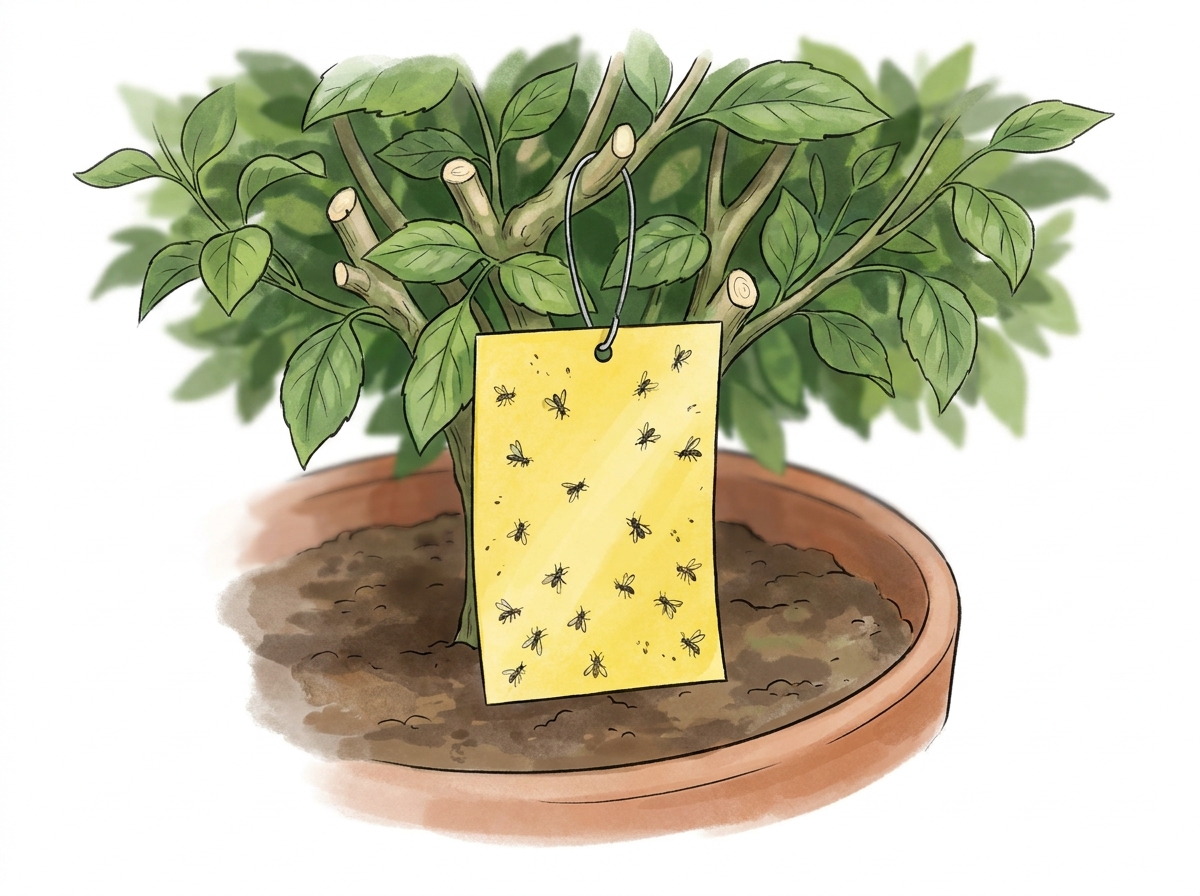
Effective monitoring forms the bedrock of threshold-based IPM. This involves a combination of visual scouting and the strategic deployment of monitoring tools. Regular, structured scouting routines, conducted at least weekly, are essential. Focus on key plant parts where pests are likely to congregate or where early signs of damage appear. Integrate passive monitoring tools like coloured sticky traps (yellow for aphids, whiteflies, and fungus gnats; blue for thrips) to provide a quantitative measure of flying insect populations. These traps should be placed at plant canopy level and checked consistently. Maintain detailed records of pest species, numbers, life stages, and location for each monitoring session.
Implementing Biological Controls
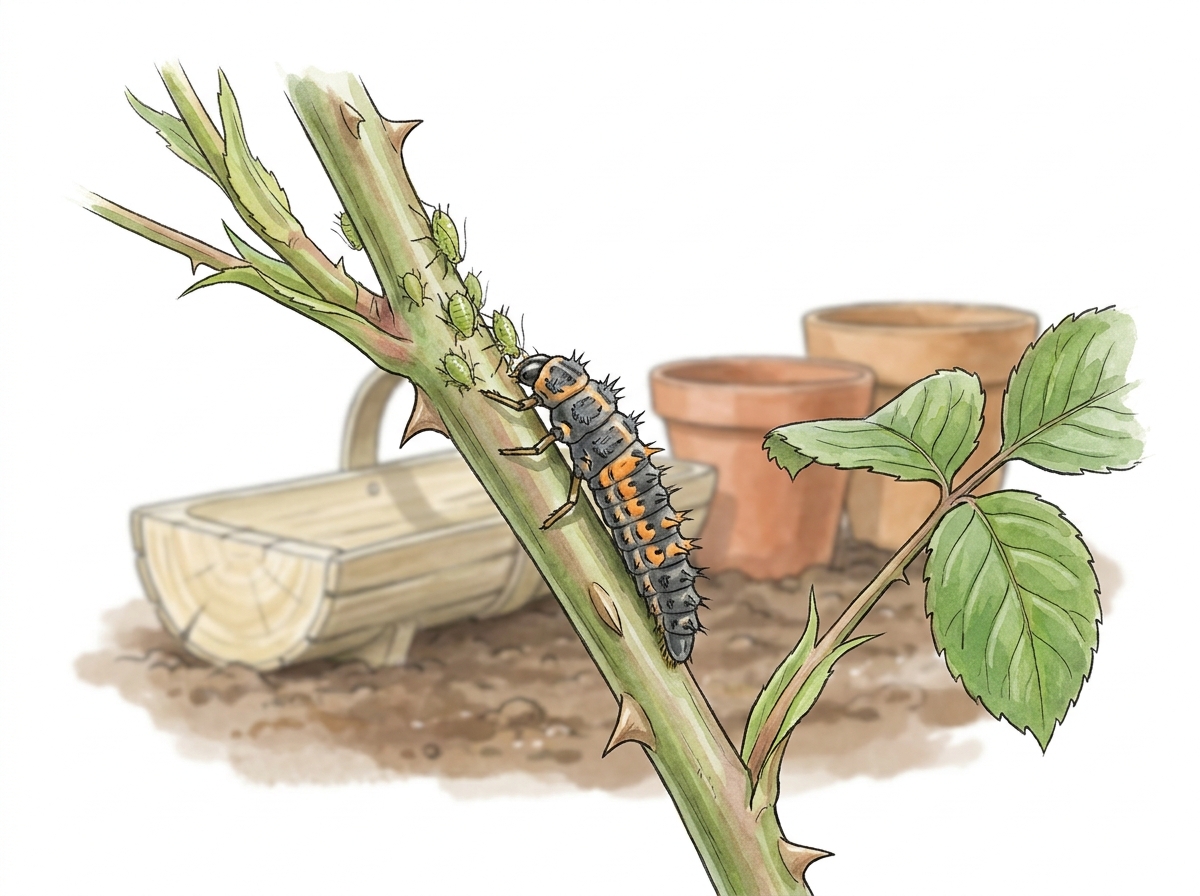
Biological controls involve the deliberate introduction or conservation of natural enemies (predators, parasitoids, and pathogens) to manage pest populations. The key to success lies in timing and appropriate ratios. Introduce beneficial insects when pest populations are at or just below their action threshold, but before significant damage occurs. Research the specific temperature and humidity requirements for optimal activity of your chosen biological agents. For instance, predatory mites like *Phytoseiulus persimilis* are most effective at moderate temperatures (18-24°C / 64-75°F) and specific humidity levels. Ensure that any chemical interventions you still employ are compatible with your biological controls, as broad-spectrum pesticides can decimate your beneficial insect populations. Select targeted, soft chemistries or biological pesticides if necessary.
Record Keeping for Future Seasons
Comprehensive record-keeping is not merely an administrative task; it is a crucial component of an adaptive IPM strategy. Document pest outbreaks, monitoring data, action thresholds reached, interventions performed (including dates, products, and quantities), and the outcomes of those interventions. Note environmental conditions during pest activity. This historical data is invaluable for predicting pest pressure in subsequent seasons, refining action thresholds, selecting the most effective biological controls, and optimizing timing for interventions. Analyse these records during the dormant season to identify trends and areas for improvement.
Seasonal Action Plan: A Framework
- Late Winter/Early Spring: Conduct thorough visual inspections for overwintering pests (e.g., scale, overwintering aphid eggs). Deploy sticky traps as temperatures rise and the first adult insects emerge. Clean up overwintering debris that may harbour pests.
- Late Spring/Early Summer: Intensify monitoring as pest populations begin to increase. Introduce early-season biological controls if thresholds are approached. Ensure young plants are protected.
- Mid-Summer: Continue rigorous monitoring. Re-evaluate action thresholds based on plant growth and stress levels. Consider second introductions of biological controls if necessary. Be mindful of heat stress exacerbating pest issues.
- Late Summer/Autumn: Monitor for late-season pest build-up. Plan for potential overwintering pest management in the following season based on current observations. Reduce or cease interventions on plants nearing harvest or entering dormancy, unless critical.
- Post-Season Analysis: Review all monitoring and intervention records from the past season. Identify recurring pest problems, successful control methods, and areas where thresholds or strategies need adjustment for the upcoming year.
When using sticky traps, exercise caution to avoid entanglement with beneficial insects, small birds, or yourself. If using any form of chemical control, always read and strictly adhere to the product label instructions, wear appropriate personal protective equipment (PPE) such as gloves and eye protection, and be aware of potential phytotoxicity to sensitive plants or beneficial insect mortality. Ensure adequate ventilation when working in enclosed spaces like greenhouses.