
Post-Bloom Care: Maximizing Daffodil Longevity
Essential steps to ensure your bulbs return with vigor next spring.
Once your daffodils finish flowering, the temptation is to cut back the foliage immediately for a tidy garden. However, this is the most critical time for the bulb to store energy for next year's growth.
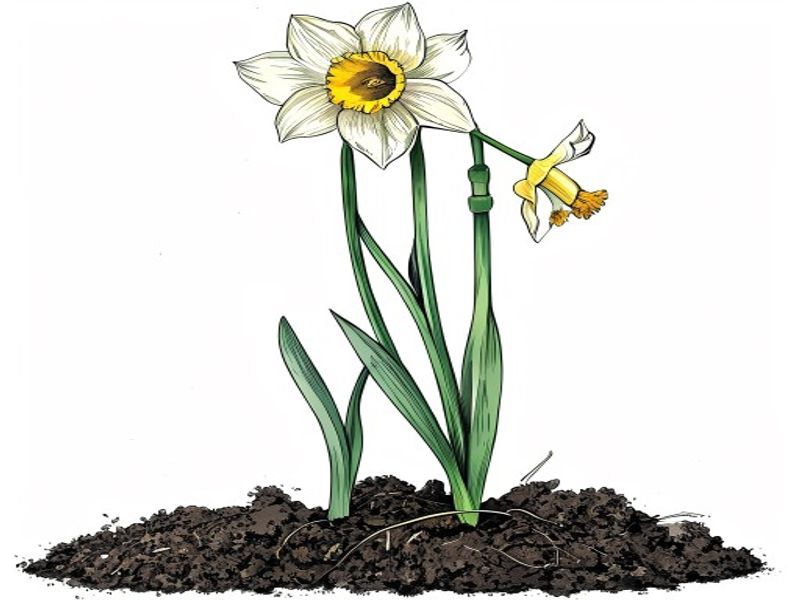
- Deadhead the spent flowers: Remove the seed heads by snapping them off at the base of the stalk, but keep the green stem.
- Allow the foliage to yellow naturally: This process can take 6-8 weeks as the leaves photosynthesize and send nutrients back into the bulb.
- Maintain regular watering: Keep the soil slightly moist during the fading period to support root development.
- Apply a balanced bulb fertilizer: Provide a light feeding once flowering ends to replenish soil nutrients.
Never braid or tie the foliage into knots. This restricts sunlight exposure and limits the plant's ability to store energy, which often leads to smaller or non-existent blooms the following year.
If the dying foliage looks untidy, consider planting late-emerging perennials like Hostas or Daylilies nearby. Their growing leaves will naturally mask the fading daffodil foliage.
Once the foliage has completely turned yellow or brown, it can be safely trimmed to the ground. Your bulbs are now dormant and ready for the winter cycle.