
Pest Patrol: Your Beginner's Guide to Houseplant Invaders
Identify, isolate, and treat the most common houseplant pests with simple, effective methods.
Meet the Usual Suspects
Even the most pampered houseplants can attract unwelcome visitors. Don't panic! Knowing what to look for and how to act quickly is key to keeping your green friends healthy and pest-free.
Fungus Gnats
These tiny, dark, mosquito-like flies buzz around your plant and soil. You'll often see them when watering. While the adults are annoying, it's their larvae in the soil that can damage roots, especially in young plants. They thrive in consistently damp conditions.
Spider Mites
Look for fine webbing, especially on the undersides of leaves, and stippling (tiny yellow or white dots) on the foliage. Leaves may turn yellow, dry out, and drop. They love dry, warm conditions.
Mealybugs
These look like small, white, cottony masses, often found in leaf axils (where the leaf meets the stem) or on new growth. They suck sap, weakening the plant and often leaving behind a sticky residue called honeydew, which can lead to sooty mould.
Scale Insects
These immobile pests attach themselves to stems and the undersides of leaves, appearing as small, raised bumps or discs. They can be brown, tan, or grey. Like mealybugs, they feed on sap and produce honeydew.
Thrips
These slender insects are hard to spot, but their damage is noticeable. Look for silvery or stippled patches on leaves, distorted new growth, and tiny black specks (their droppings). They can also transmit viruses.
Isolate New Arrivals
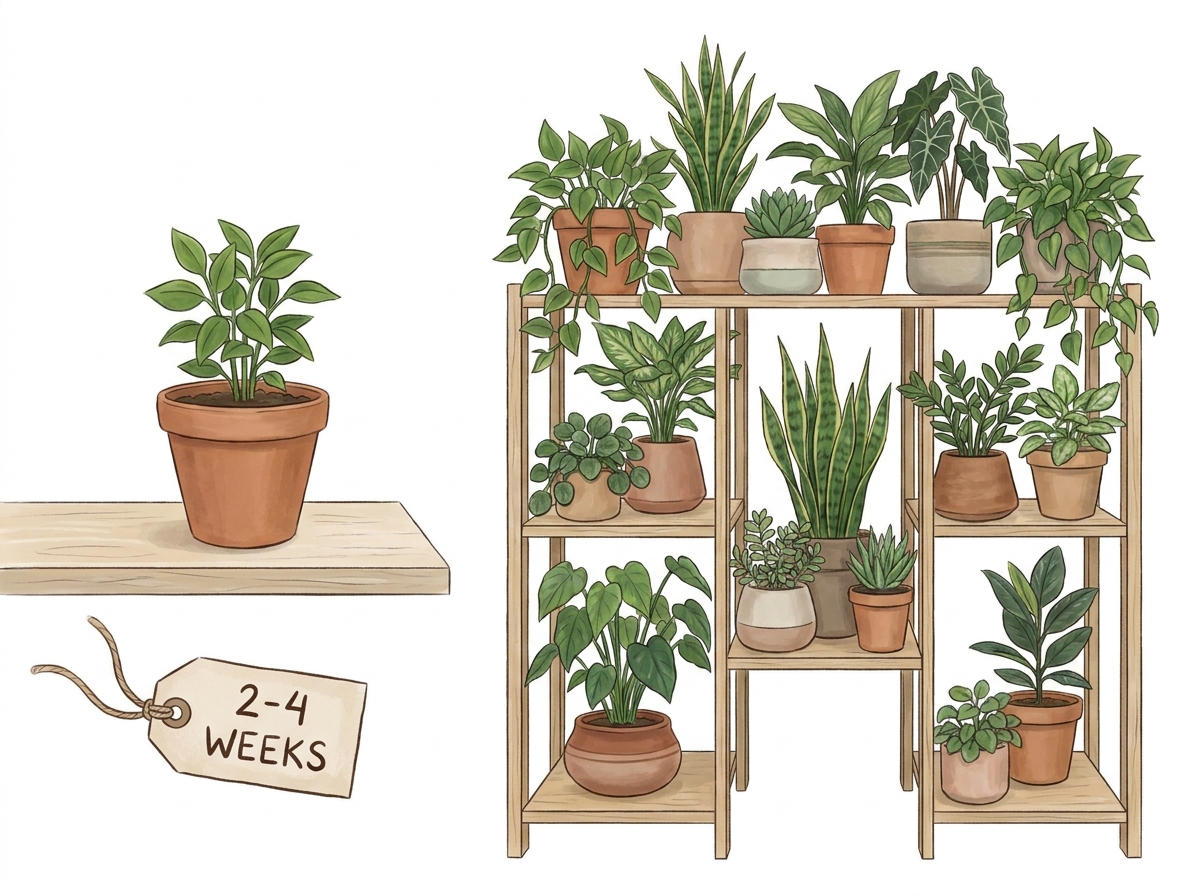
The best defence is prevention. Always isolate new plants for 2-4 weeks before introducing them to your existing collection. This gives you time to spot any pests or diseases they might be carrying.
Treatment Strategies: Start Gentle
When you spot pests, always start with the least aggressive methods. Often, these are enough to resolve the issue.
- Fungus Gnats: Allow the top 2-3 cm (1 inch) of soil to dry out between waterings. Consider using yellow sticky traps to catch adults. For persistent problems, a layer of sand on top of the soil can deter egg-laying.
- Spider Mites: Increase humidity by misting or using a pebble tray. Physically wipe down leaves with a damp cloth. If the infestation is severe, prune affected leaves.
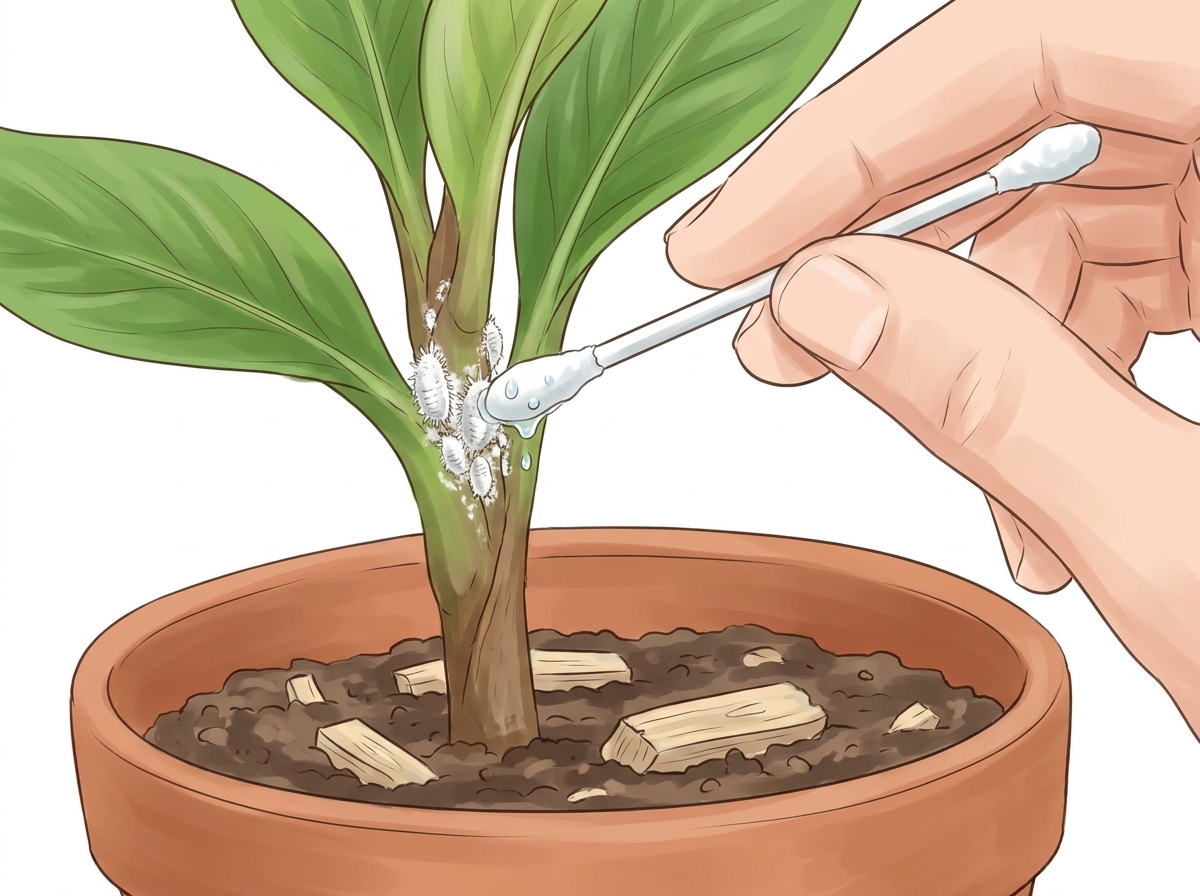
- Mealybugs & Scale: Use a cotton bud dipped in rubbing alcohol (70% isopropyl alcohol) to dab directly onto each pest. For scale, you might need to gently scrape them off with a fingernail or blunt tool first.
- Thrips: Wipe leaves with a damp cloth. Prune heavily infested areas. Increase humidity.
Step Up if Needed
If gentle methods aren't cutting it, you can move to slightly stronger, but still relatively safe, options.
- Neem Oil Spray: A natural insecticide derived from the neem tree. Mix according to product instructions (usually 1-2 teaspoons per litre of water with a drop of mild soap). Spray all plant surfaces, especially undersides of leaves, in the evening or on a cloudy day to avoid leaf scorch. Repeat every 7-10 days for a few weeks.
- Insecticidal Soap: Commercially available or homemade (mild liquid soap diluted in water). Works by breaking down the pest's outer coating. Apply as a spray, ensuring good coverage. Repeat as needed, following product guidelines.
Always test any spray (neem oil or insecticidal soap) on a small, inconspicuous area of the plant first and wait 24-48 hours to ensure no adverse reaction before treating the whole plant. Avoid spraying in direct sunlight, as this can cause leaf burn. Wear gloves when handling rubbing alcohol and ensure good ventilation.
When to Say Goodbye
In rare cases, a plant may be too far gone. If a plant is heavily infested and showing significant stress, it might be kinder to discard it to prevent pests from spreading to your healthy plants. Dispose of the infested plant and soil in a sealed bag outside your home.
Ongoing Vigilance
Regularly inspect your plants, especially new growth and the undersides of leaves. Catching pests early is the easiest way to manage them.