
Mastering the Four-Bed Crop Rotation System
Maximize your allotment’s soil health and naturally suppress pests with a seasonal rotation strategy.
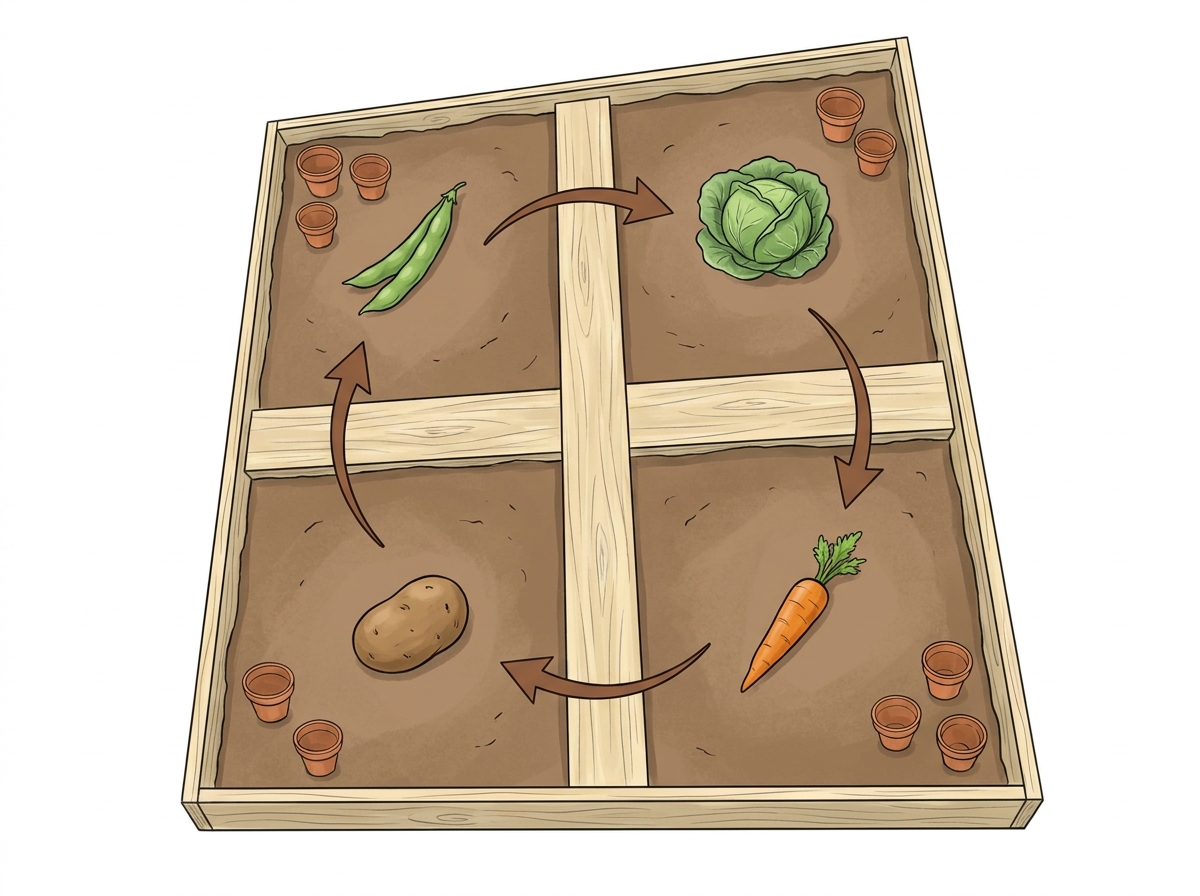
Crop rotation is the cornerstone of a sustainable allotment. By moving plant families around a four-bed system, you prevent the build-up of soil-borne pathogens and manage nutrient depletion. This system balances nitrogen-hungry feeders with soil-improving legumes.
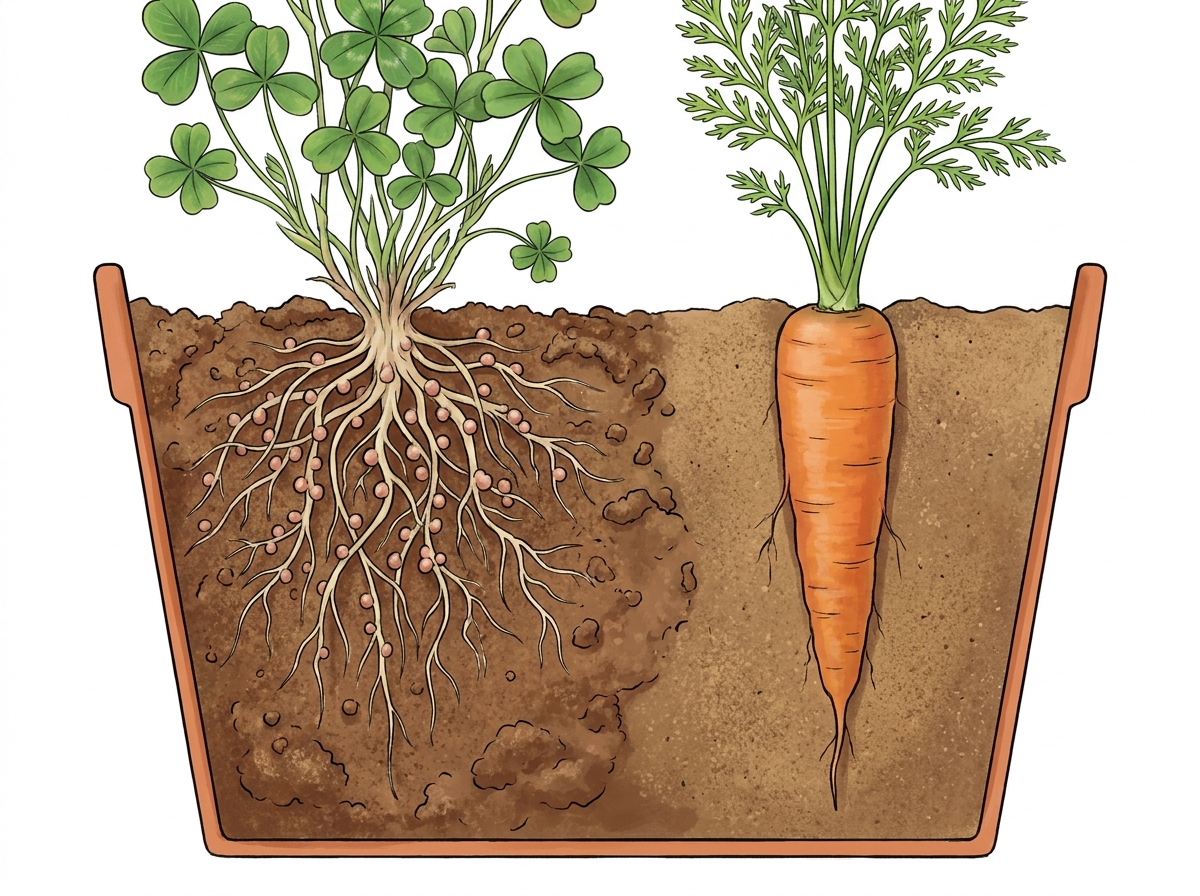
- Bed 1 (Legumes): Peas and beans, which fix nitrogen into the soil.
- Bed 2 (Brassicas): Cabbage, kale, and broccoli, which thrive on the nitrogen left by legumes.
- Bed 3 (Roots): Carrots, parsnips, and onions, which prefer lower nitrogen levels to prevent leafy overgrowth.
- Bed 4 (Potatoes): Hungry feeders that help break up heavy soil as they grow.
Rotation effectively breaks the life cycles of soil-borne pests like clubroot (for brassicas) and potato cyst nematode. However, it does not stop airborne diseases like blight or migratory pests like aphids, which remain mobile regardless of your bed layout.
Perennials such as rhubarb or asparagus should be placed outside your rotation system, as they remain in the ground for years. Keep salads in small, dedicated patches near your water source, as they have short cycles and do not fit well into the annual rotation move.
Do not use chemical soil sterilants to 'fix' rotation issues. These destroy beneficial mycorrhizal fungi, which are essential for nutrient uptake. Rely on physical rotation and organic compost additions instead.
- Map your beds on graph paper or a digital spreadsheet.
- Label each bed by the primary crop family grown during the current season.
- At the end of each harvest cycle, rotate the entire list of families one position clockwise.
- Keep your records for at least four years to ensure you do not repeat a family in the same soil too soon.
When planning, ensure your tall crops like beans and potatoes are on the sunniest side (north-facing in the southern hemisphere, south-facing in the northern hemisphere) to avoid shading the shorter root crops.