
Mastering Seed Sovereignty: An Advanced Guide to Heirloom Preservation
Ensure genetic integrity and self-sufficiency by mastering the art of botanical selection and rigorous seed processing.
To maintain a true-to-type line, you must first distinguish between open-pollinated (OP) and F1 hybrids. F1 hybrids are the result of controlled crosses; saving their seeds will result in genetic segregation, meaning the next generation will lack the uniform characteristics of the parents. Focus your efforts exclusively on open-pollinated varieties.
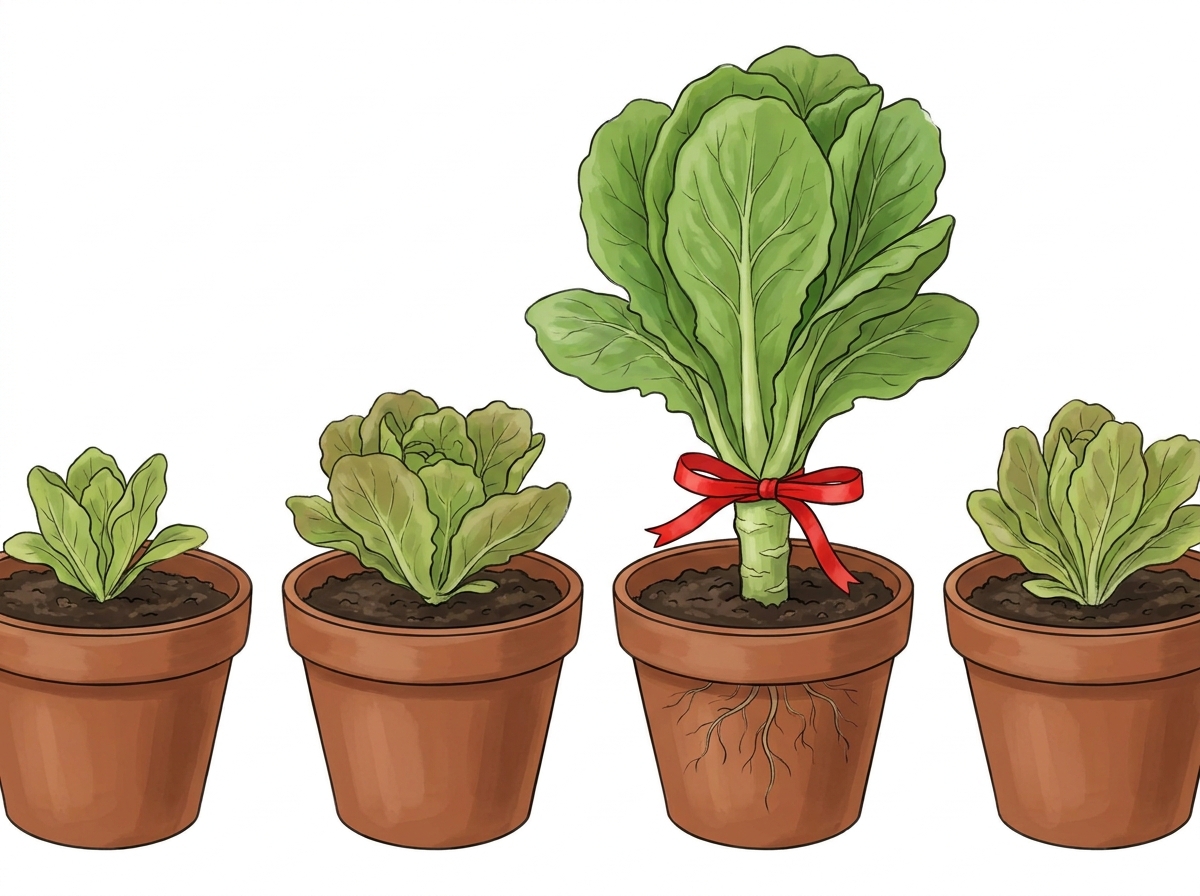
- Choose crops with high self-pollination rates for beginners: beans, peas, and lettuce require minimal isolation.
- Identify outbreeders that require large isolation distances or hand-pollination to prevent cross-contamination: brassicas, squash, and carrots.
- Maintain a minimum population size of 20–50 plants for self-pollinating crops and 100+ for outbreeders to prevent inbreeding depression.
- Select the most vigorous, disease-resistant plants early in the season to act as your 'seed mothers'.
Processing: Wet vs Dry Seeds
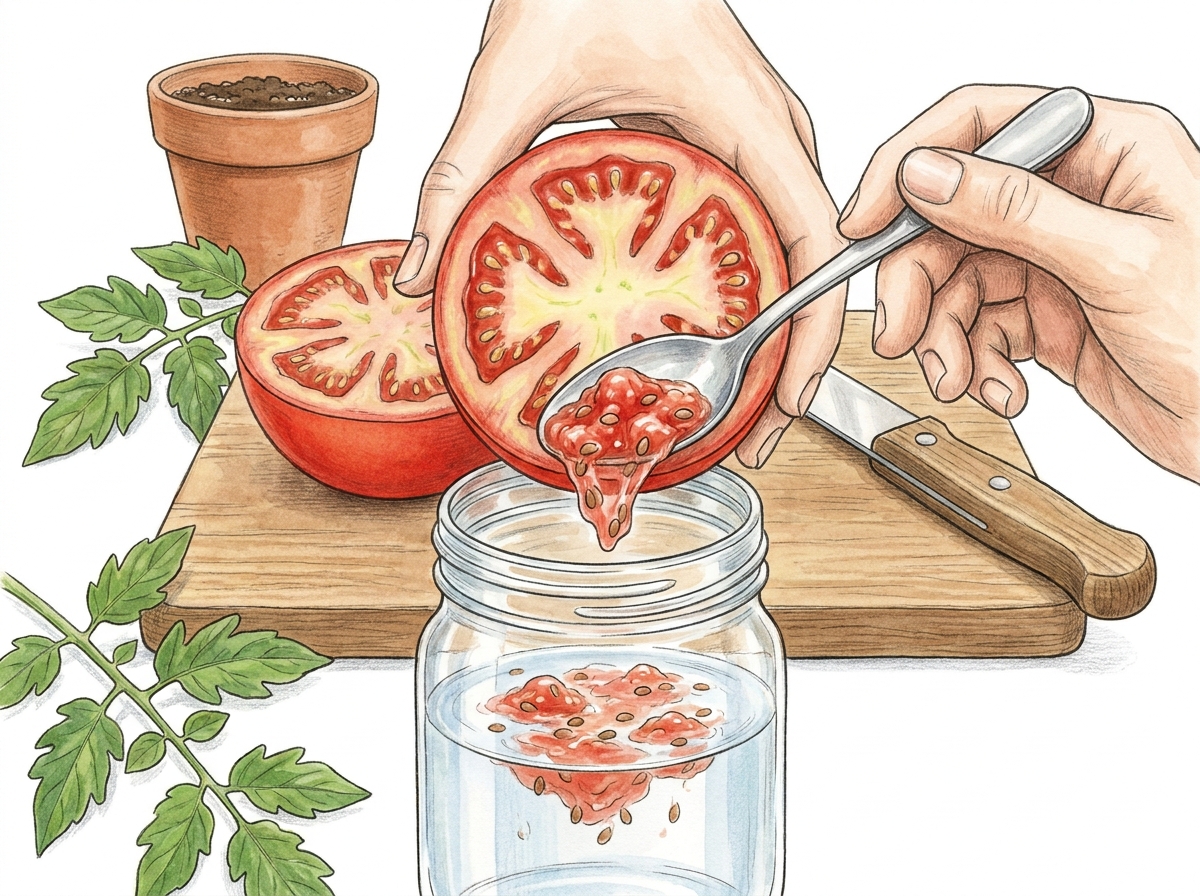
Dry seeds (beans, peas, brassicas) require pods to fully desiccate on the plant. Wet seeds (tomatoes, cucumbers) require fermentation to break down the germination-inhibiting gel coating.
Avoid using heat sources like ovens or microwaves to accelerate drying; temperatures exceeding 35°C (95°F) will denature the embryo and destroy seed viability.
- Harvest dry seeds only after the parent plant has fully senesced and the pods rattle.
- Winnow seeds by pouring them between two containers in a light breeze to remove chaff.
- Store cleaned seeds in airtight glass jars or foil envelopes in a cool, dark, and dry environment.
- Include a silica gel packet to maintain low humidity if storing for longer than one season.
Perform a simple germination test before the main sowing season. Place 10 seeds on a damp paper towel in a warm spot; if fewer than 8 germinate, adjust your sowing density accordingly.