
Mastering No-Dig Allotment Cultivation
Preserving soil structure and fungal networks for high-yield, low-effort harvests.
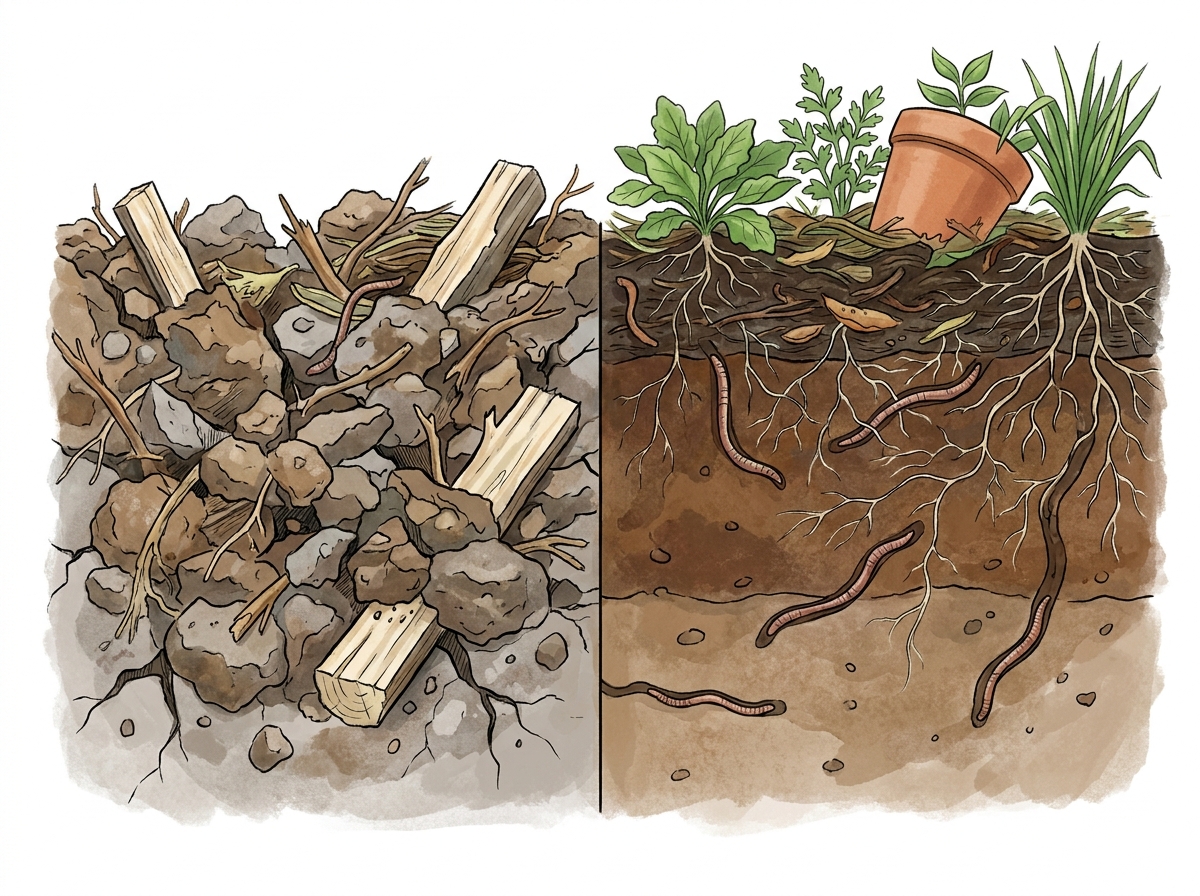
No-dig gardening is not merely a labor-saving technique; it is a commitment to soil biology. By avoiding inversion, you preserve the aerobic and anaerobic layering of the soil profile, protect mycorrhizal networks, and maintain the galleries created by earthworms, which are essential for water infiltration and root respiration.
Converting Weedy Ground
- Mow or strim existing vegetation as low as possible without tilling the soil surface.
- Lay down a single layer of plain, brown cardboard, overlapping edges by at least 15cm (6in) to prevent light penetration.
- Thoroughly wet the cardboard to initiate decomposition.
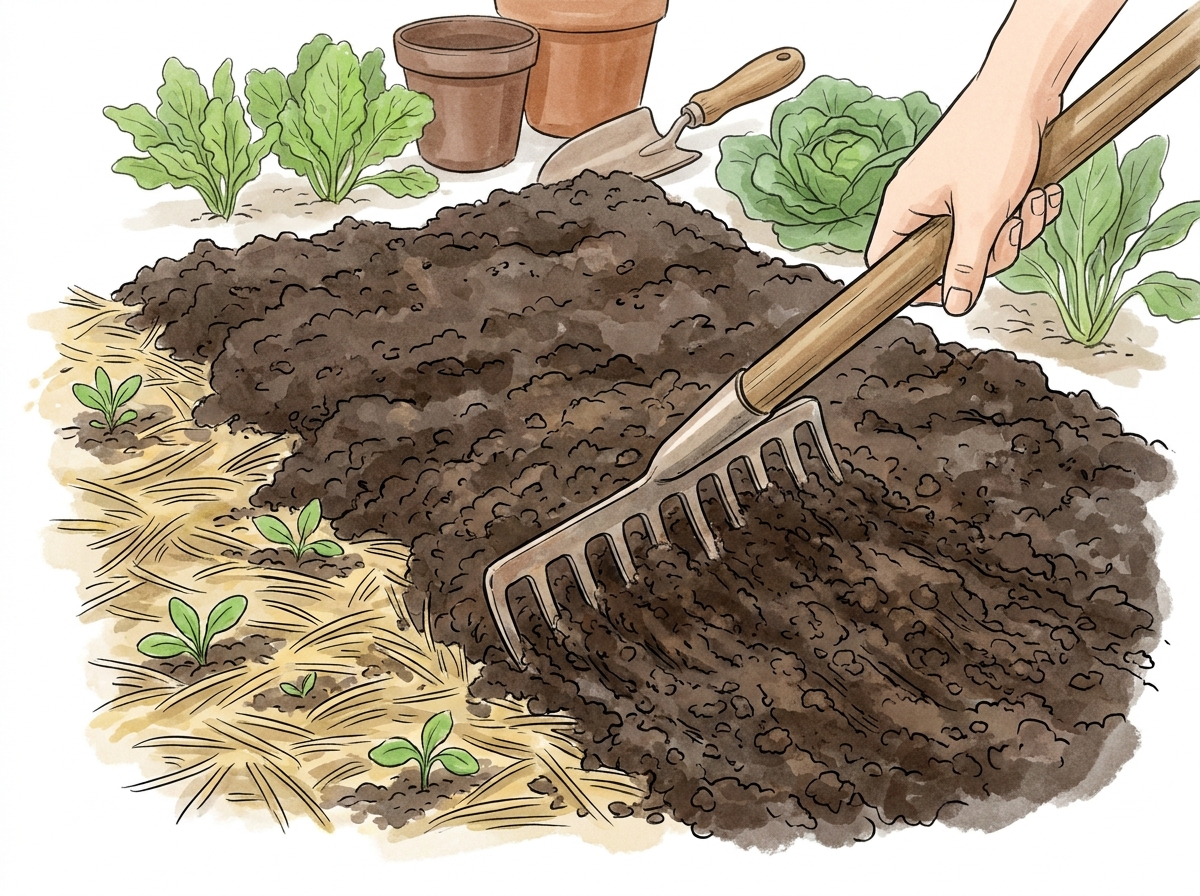
- Apply a 5cm to 10cm (2in to 4in) layer of high-quality, weed-free compost directly over the cardboard.
- Plant directly into the compost layer using a trowel to reach through the damp cardboard into the soil below.
Avoid using cardboard with glossy finishes, heavy plastic tape, or excessive coloured inks, as these introduce microplastics and chemical residues into your soil ecosystem.
Mulching and Maintenance
Annual maintenance requires a 2cm to 3cm (approx. 1in) top-dressing of compost once the soil is workable, typically in late winter or early spring. This replenishes nutrients and suppresses germination of weed seeds. Sourcing compost is critical; ensure it is well-rotted and tested for persistent herbicides like aminopyralid, which can devastate solanaceous crops.
The Realities of Perennial Weeds
No-dig is not a silver bullet for deep-rooted perennials like bindweed, couch grass, or horsetail. If these are present, you must manually excavate the rhizomes before laying cardboard. Simply covering them will often result in the weeds eventually finding gaps at the edges of your beds.
Where No-Dig Struggles
- Extremely heavy, waterlogged clay soils that require significant initial drainage intervention.
- Plots infested with deep-rooted, invasive rhizomatous weeds that have not been cleared by hand.
- Situations where large-scale soil compaction has occurred from heavy machinery; some initial aeration may be required.