
Getting Started in the Garden: Your First Month
Settle in and set your new garden up for success with this simple, reassuring guide.
Welcome to gardening! It might feel a bit daunting right now, but this guide will help you navigate your first month with confidence. We’ll focus on understanding your space, getting the right gear, choosing plants that will thrive, and establishing a simple routine. Remember, every gardener makes mistakes – it's all part of the learning process!
Know Your Patch: Light and Soil
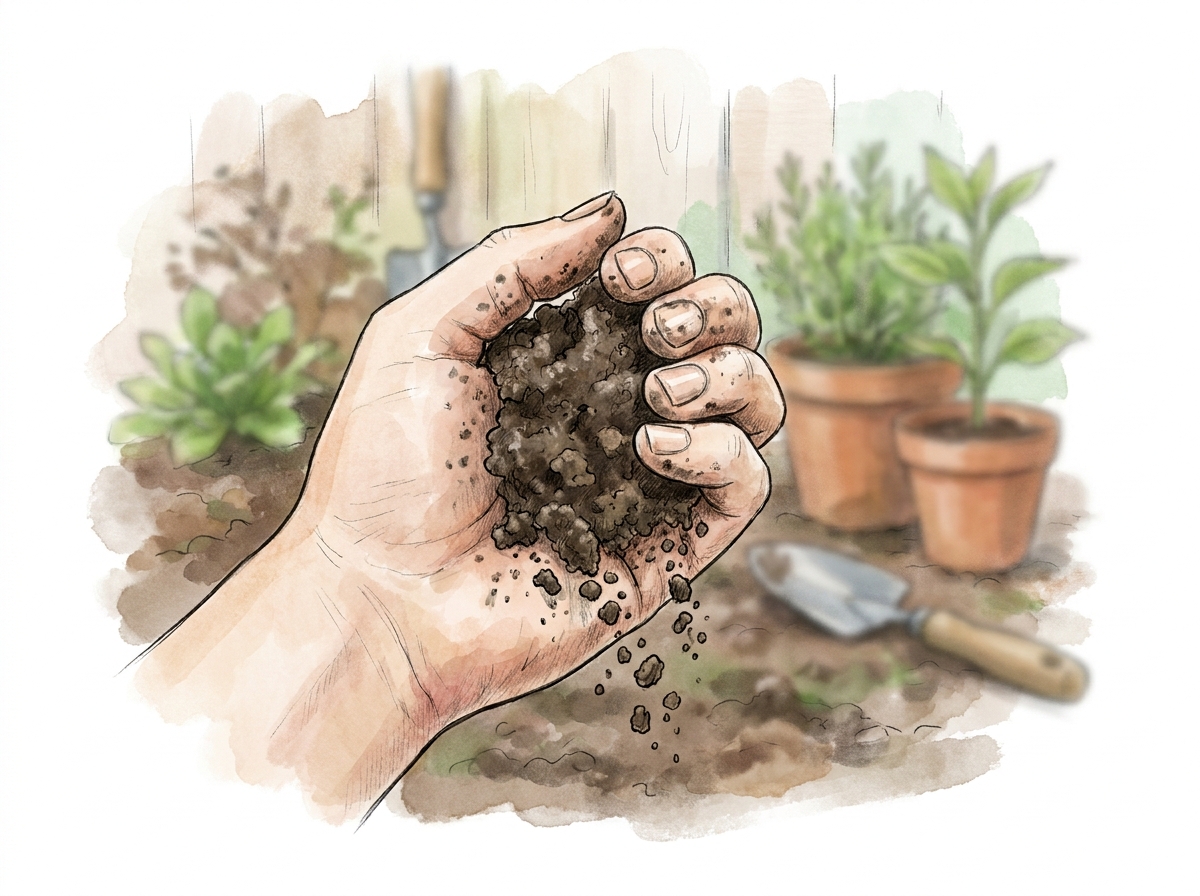
Before you buy a single plant, let's get to know your garden. Observe the light throughout the day. Where does the sun hit for the longest periods? This is crucial for plant choice. Note areas that are shady, dappled, or in full sun. Also, assess your soil. Is it sandy and drains quickly, or heavy and holds water? You can do a simple squeeze test: grab a handful of moist soil. If it crumbles easily, it's likely good. If it forms a tight, sticky ball, it's heavy clay.
Your Essential Toolkit: Six Must-Haves
You don't need a shed full of gadgets. Start with these six basics. They'll cover most of your needs for now. You can add more specialised tools later as you discover what you enjoy growing.
- A sturdy trowel: For digging small holes and planting.
- A hand fork: For loosening soil and weeding.
- Sharp secateurs (pruning shears): For trimming plants and harvesting. Ensure they are clean and sharp to make clean cuts.
- A watering can with a rose (sprinkler head): For gentle watering, especially for seedlings.
- Gardening gloves: To protect your hands.
- A small hand brush and pan: For sweeping up soil and debris.
Always use sharp secateurs. Dull blades can damage plant stems, making them susceptible to disease. Keep your tools clean and dry when not in use to prevent rust and prolong their life.
Choosing Your First Plants: A Recipe for Success
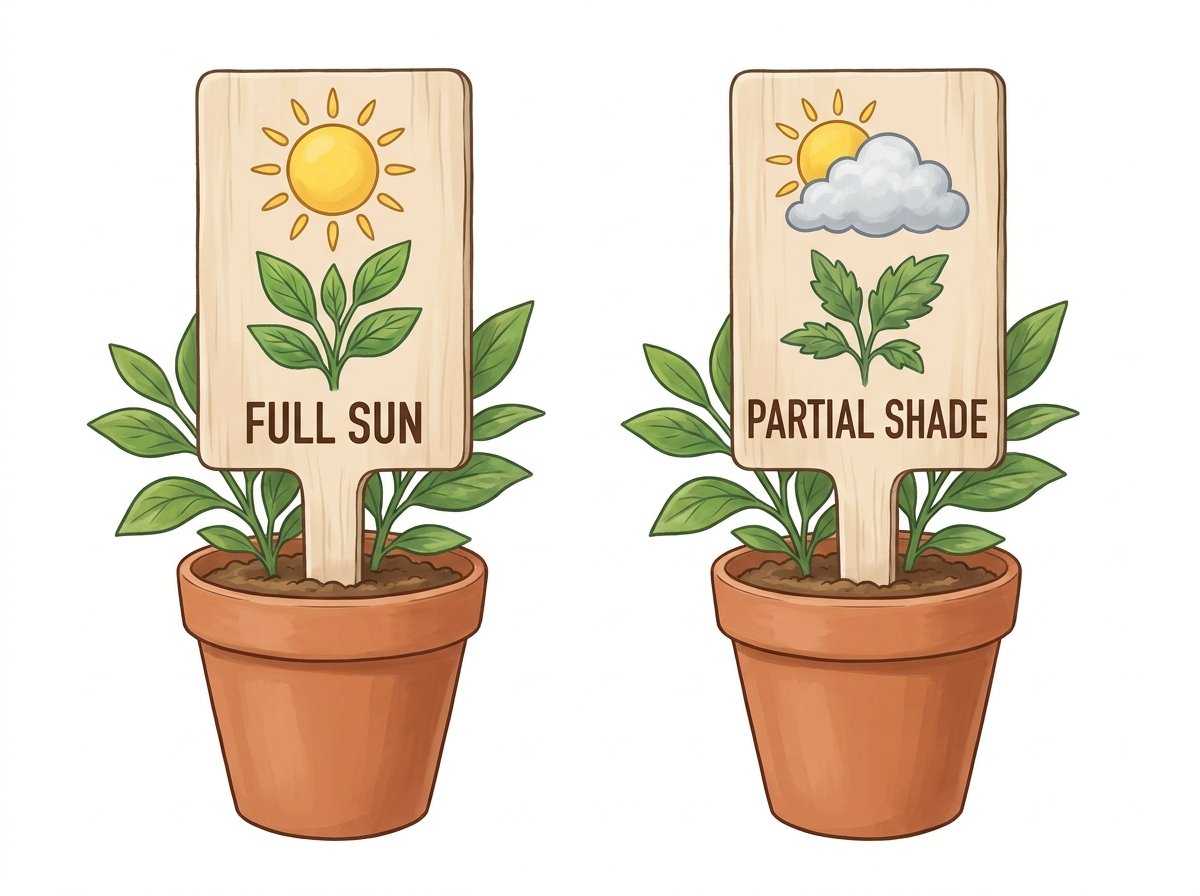
The key to a happy first month is choosing plants that match your conditions and are known to be forgiving. Look for plants labelled 'easy care' or 'beginner-friendly'. Consider what you observed about your light and soil. If you have a sunny spot, choose sun-lovers. If it's shadier, opt for shade-tolerant varieties. Don't be afraid to ask for advice at your local garden centre.
- For sunny spots: Lavender, Sedum, Marigolds, Nasturtiums, many herbs (rosemary, thyme).
- For shadier spots: Hostas, Ferns, Impatiens, Begonias, Heucheras.
- For containers: Choose compact varieties. Many of the above do well in pots.
- Consider your climate: Look for plants suited to your general region.
Watering Wisdom: More Than Just Wetting
Watering is often misunderstood. It’s not about a quick sprinkle; it’s about getting water to the roots. The best time to water is usually early morning or late evening. Check the soil moisture by poking your finger about 2-3 cm (1 inch) into the soil near the plant's base. If it feels dry, it’s time to water. Water thoroughly until water runs out of the bottom of pots, or until the soil is deeply moist for in-ground plants. Avoid watering leaves directly if possible, as this can encourage fungal diseases.
Your Weekly Garden Rhythm
A little and often goes a long way. Aim for a short, regular garden check-in. This doesn't need to take long, perhaps 15-30 minutes once a week, plus watering as needed.
- Water: Check soil moisture and water if needed.
- Weed: Gently pull out any weeds that have appeared. They compete with your plants for resources.
- Inspect: Look for any signs of pests or diseases. Early detection is key.
- Tidy: Deadhead any spent flowers and remove any yellowing or dead leaves.
- Observe: Just take a moment to enjoy your garden and see how your plants are growing.
Don't get discouraged if things don't go perfectly. Every gardener has lost a plant or two. Learn from it, adjust your approach, and keep going. The most important thing is to enjoy the process and the connection to nature you're building.