
Get a Head Start: Sowing Seeds Indoors Like a Pro
Unlock your green thumb by sowing seeds indoors. Learn the secrets to perfect compost, ideal warmth and light, and how to nurture seedlings from tiny seed to strong plant.
Starting your own plants from seed indoors is incredibly rewarding and gives you a head start on the growing season. It allows you to grow varieties you might not find as young plants and can be much more economical. Let's get those seeds germinating!
Why Special Seed Compost?
Seed compost is specially formulated for germinating seeds and nurturing very young seedlings. It's lighter and finer than regular potting compost, which helps seeds get the good contact they need with moisture for germination. Crucially, it's usually sterile, meaning it's free from disease-causing organisms and weed seeds that could harm delicate seedlings. Potting compost is generally richer and coarser, designed for established plants.
Sowing Depth: The Golden Rule
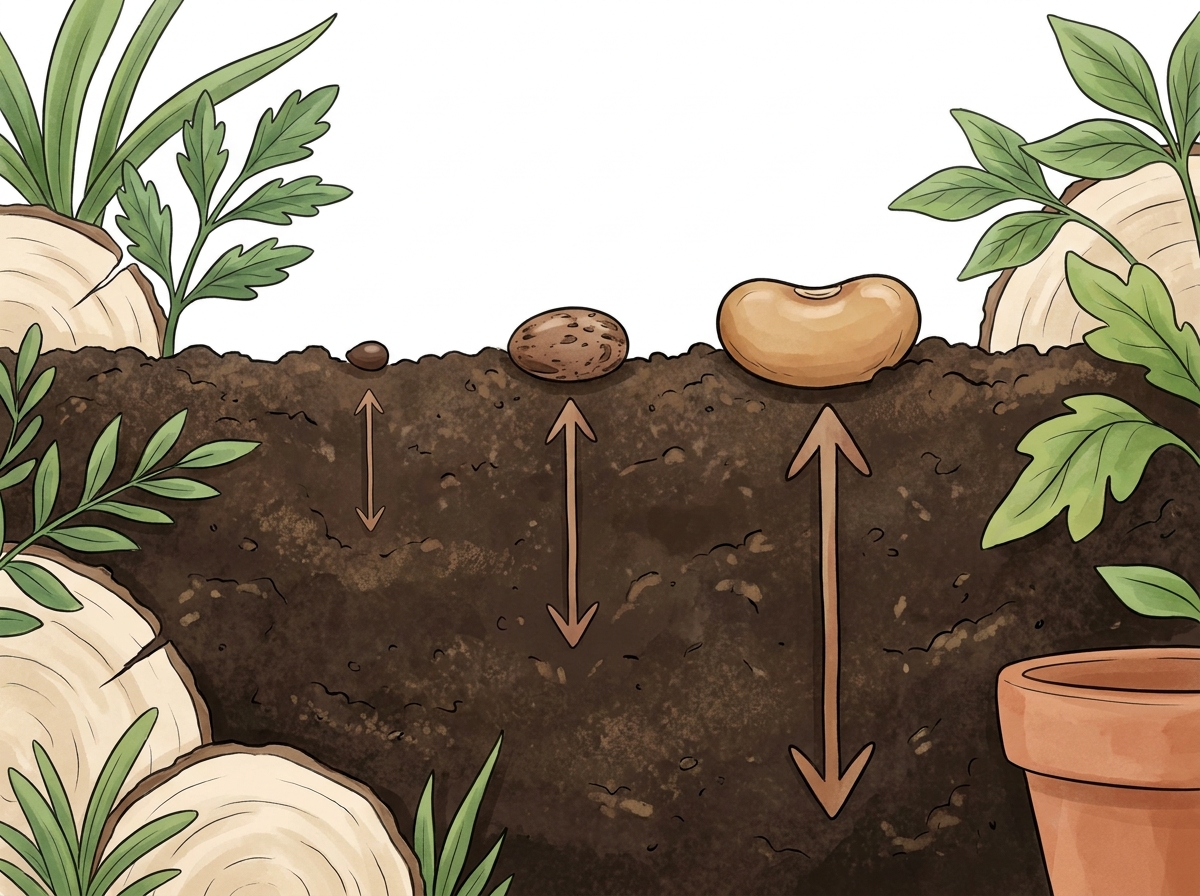
The depth at which you sow a seed is critical. As a general rule, sow seeds at a depth roughly equal to their own diameter. Very fine seeds, like those of petunias or begonias, often need only to be surface-sown (pressed gently onto the compost surface) as they require light to germinate. Larger seeds, like beans or sunflowers, can be sown deeper.
- Fine seeds (e.g., lettuce, impatiens): Sow on the surface and press lightly into the compost.
- Medium seeds (e.g., tomatoes, peppers): Sow about 2-3 times their diameter deep (approx. 5-10mm or 1/4-1/2 inch).
- Large seeds (e.g., beans, squash): Sow about 2-3 times their diameter deep (approx. 1-2cm or 1/2-1 inch).
Warmth for Germination, Light for Growth
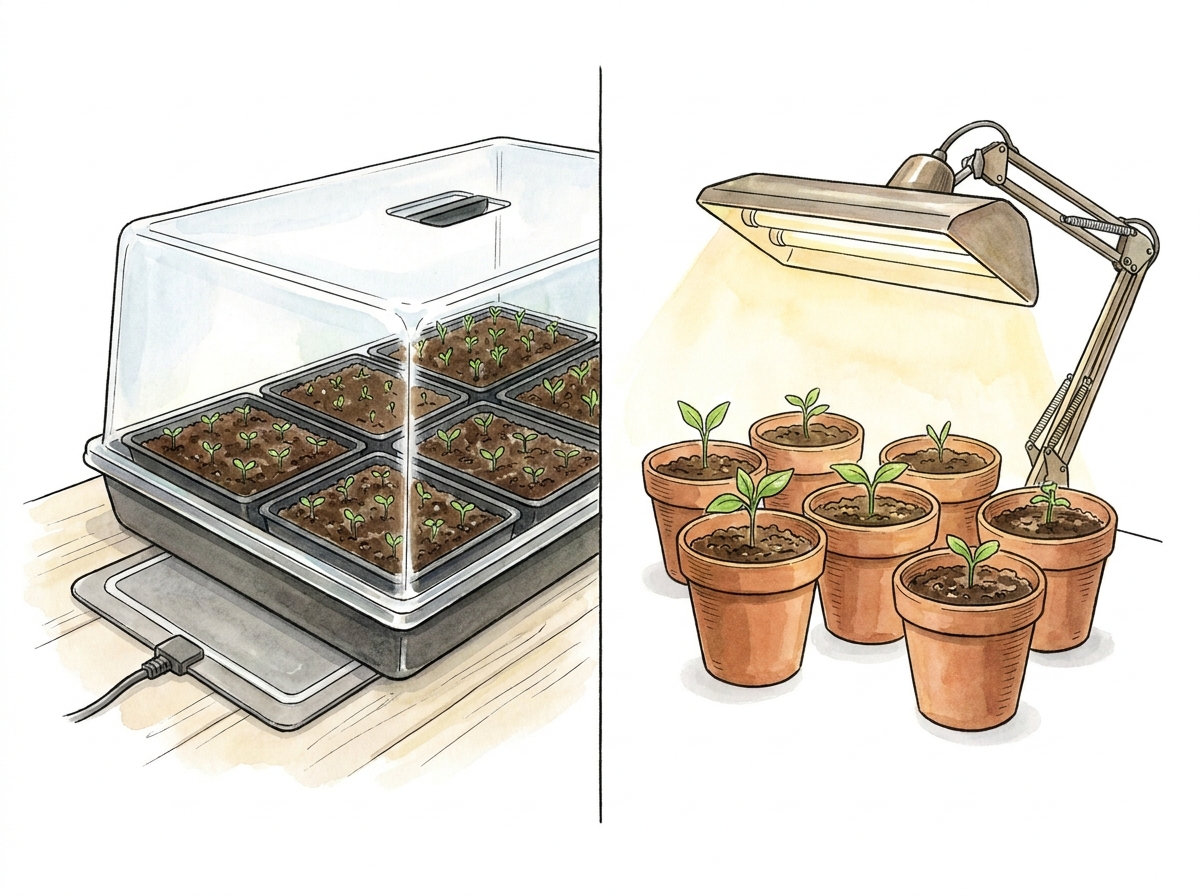
Seeds have different needs at different stages. Germination is primarily driven by warmth. Many seeds won't sprout until the compost reaches a specific temperature, which is why a warm windowsill or a heated propagator is essential in late winter or early spring when ambient temperatures are cool. Once seedlings emerge, their priority shifts to light. They need plenty of bright light to grow strong and prevent them from becoming 'leggy'.
Preventing Leggy Seedlings and Damping Off
Leggy seedlings are tall, weak, and pale, with long gaps between their leaves. This happens when seedlings are kept too warm and dark after they've germinated. Ensure they have bright light as soon as they sprout and good air circulation. Damping off is a devastating fungal disease that affects seedlings at the soil line, causing them to collapse. It thrives in overly wet, stagnant conditions. Using sterile seed compost, avoiding overwatering, and ensuring good airflow are your best defenses.
- For leggy seedlings: Increase light exposure immediately. Move them closer to a light source (but not so close they scorch). Ensure good air movement.
- For damping off: Water sparingly, only when the compost surface starts to dry. Ensure trays have drainage holes and aren't sitting in water. Improve ventilation.
- Prevention is key: Use sterile seed compost, sow seeds at the correct depth, and avoid overcrowding.
Be cautious when using heated propagators. Always follow the manufacturer's instructions to avoid overheating or electrical hazards. Ensure good ventilation around electrical equipment.
Timing Your Sowing
The best time to sow seeds indoors depends on what you're growing and when you plan to transplant them outdoors. Generally, start tender plants (like tomatoes, peppers, aubergines) in late winter or early spring, about 6-8 weeks before your last expected frost. Hardier plants (like brassicas or lettuce) can be started a little later, in early to mid-spring, giving them a boost so they are ready to plant out once the soil is workable and temperatures are more stable.