
Encourage More Blooms: Deadheading, Chopping, and Second Flushes
Unlock a season of continuous colour by mastering pruning techniques for repeat-flowering perennials.
Many garden plants will oblige with a second, or even third, flush of blooms if you know when and how to prune them. This guide covers the key techniques: deadheading spent flowers, the 'Chelsea Chop' for controlling growth and promoting bushiness, and understanding which plants benefit most.
Deadheading: The Gentle Approach
Deadheading simply means removing faded or spent flowers. This prevents the plant from putting energy into seed production and encourages it to produce more blooms instead. It's a fundamental technique for most annuals and many perennials.
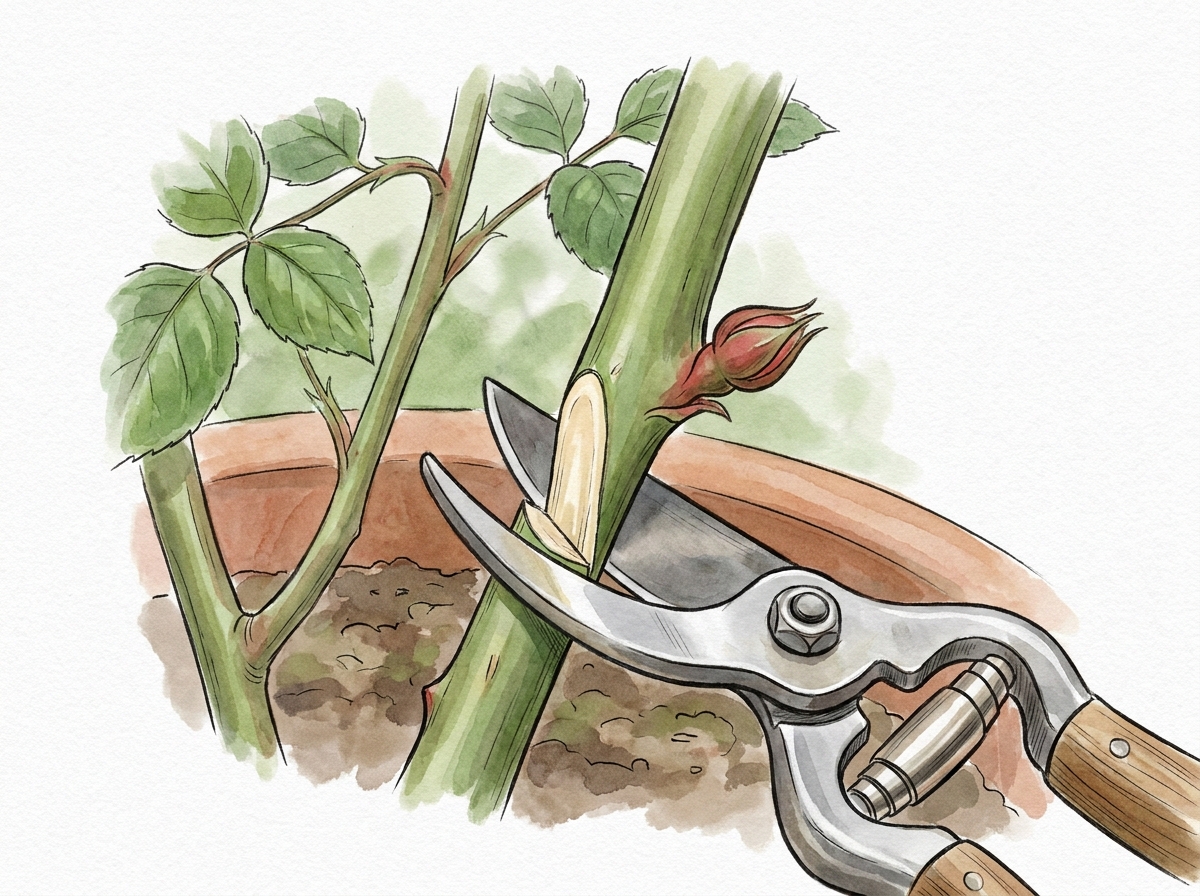
- For plants with single, large flowers (e.g., Dahlias, some Roses), cut the stem back to just above a set of healthy leaves or a side shoot. This directs energy to new growth.
- For plants with clusters of flowers (e.g., Lavender, Salvia), cut the entire flower stalk back to the main plant or to a point where you see new growth emerging.
- For plants with small, individual flowers in a flat-topped cluster (e.g., Achillea, Coreopsis), you can often shear the entire spent flower head back to the foliage. Be careful not to cut into the woody stems if the plant is mature.
The Chelsea Chop: Mid-Season Revitalisation
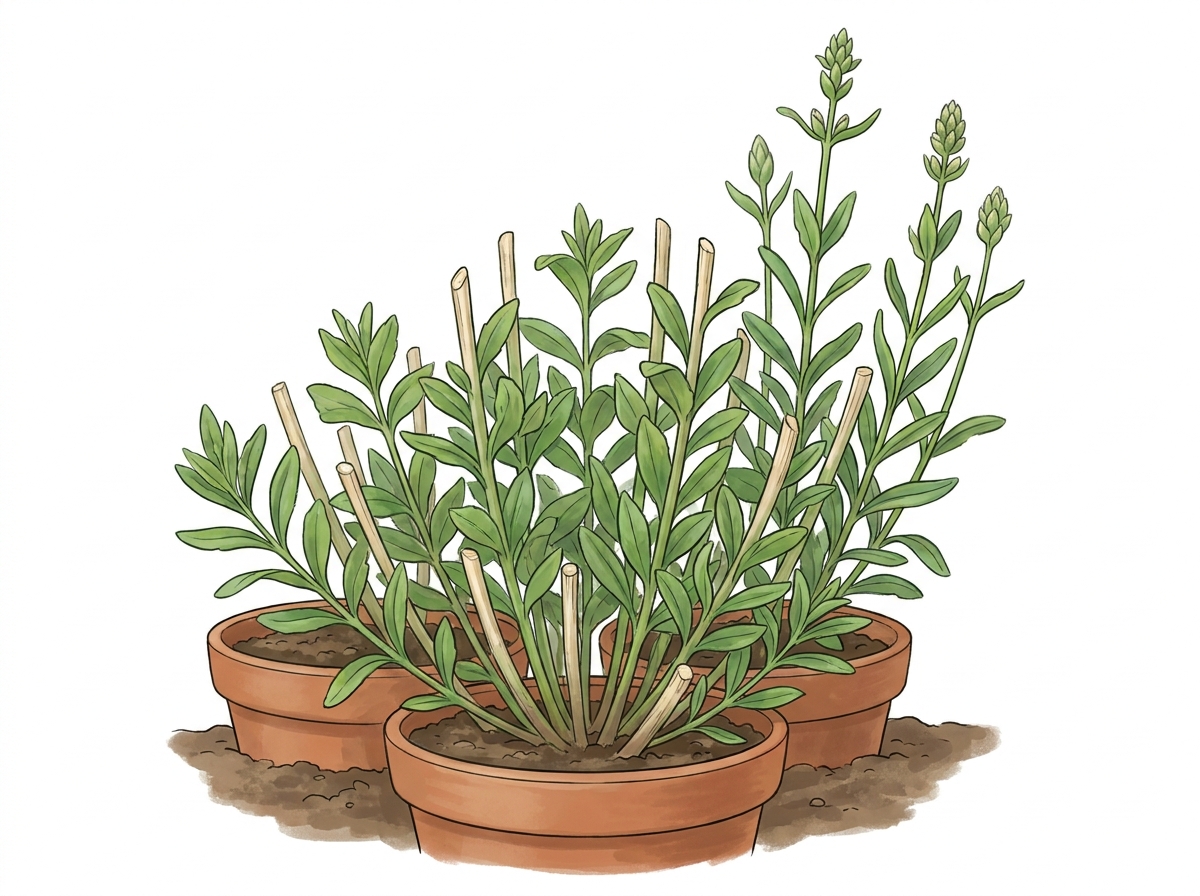
The 'Chelsea Chop' is a technique named after the famous flower show, typically carried out in late spring or early summer. It involves cutting back perennials by about half to two-thirds their height. This promotes a bushier plant and delays flowering, often resulting in a second, more manageable flush of blooms later in the season. It's particularly effective for herbaceous perennials that tend to get tall and leggy, or those you want to support and stagger their flowering time.
- Choose plants like Aster, Sedum (late-flowering varieties), Helenium, Phlox, Rudbeckia, and Solidago.
- Decide if you want to cut all stems, or stagger the chop. Cutting alternate stems by different amounts can create a long-lasting display with staggered flowering times.
- Use sharp secateurs or a clean knife to cut stems back by roughly one-third to two-thirds of their height. Aim for a clean cut just above a leaf node.
- Remove any dead or weak stems at the same time.
- Feed and water the plant well after chopping to encourage new growth.
Which Plants Repeat and Which Don't?
Not all plants will give you a second show. Plants that bloom on 'new wood' (growth from the current year) are generally good candidates for deadheading and chopping. Many repeat-flowering Roses, Dahlias, Fuchsias, and Salvias fall into this category. Plants that bloom on 'old wood' (growth from previous years), like Rhododendrons or some early spring bulbs, typically only flower once per year. For these, focus on deadheading only if you don't want the plant to expend energy on seed production, but don't perform a chop.
When to Leave Seedheads
While encouraging repeat blooms is rewarding, don't neglect the beauty and ecological value of seedheads. Many plants, such as Rudbeckia, Echinacea, Sedum, and ornamental grasses, develop attractive seedheads that provide winter interest and food for birds. If you don't need to deadhead for re-blooming, consider leaving them until late winter or early spring, just before new growth begins. This also provides valuable habitat for beneficial insects.
Always use clean, sharp secateurs or pruning shears. Dull tools can damage stems, making them susceptible to disease. When using the Chelsea Chop on taller plants, ensure you have stable footing. If using a ladder, ensure it is positioned correctly and securely. Wear gloves when handling plants, especially those with thorns like Roses, or sap that can irritate the skin.