
Embrace the 'Wild' Look: Seedheads, Log Piles & Overwintering Wildlife
Discover the ecological benefits of delaying your autumn tidy and learn how to create habitats that support garden wildlife, even in a small space.
Why Leave the Leaves (and Stems)?
Resisting the urge for a 'too tidy' garden in autumn and early winter can significantly benefit local wildlife. Many insects, including beneficial pollinators and pest predators, overwinter in hollow stems, beneath leaf litter, and within log piles. Leaving seedheads provides food for birds throughout the colder months.
What to Leave and When to Cut
Certain plants offer excellent winter interest and crucial habitat. Think of ornamental grasses, echinacea (coneflowers), sedum, and hardy perennials with sturdy stems. Their dried flower heads and seed structures provide shelter and food. Delay cutting these back until late winter or very early spring, just before new growth becomes vigorous. This ensures maximum benefit for wildlife and visual appeal.
- Identify plants with hollow stems or sturdy seedheads that will hold their structure through winter.
- Resist cutting these back until you see clear signs of new growth emerging in late winter or early spring.
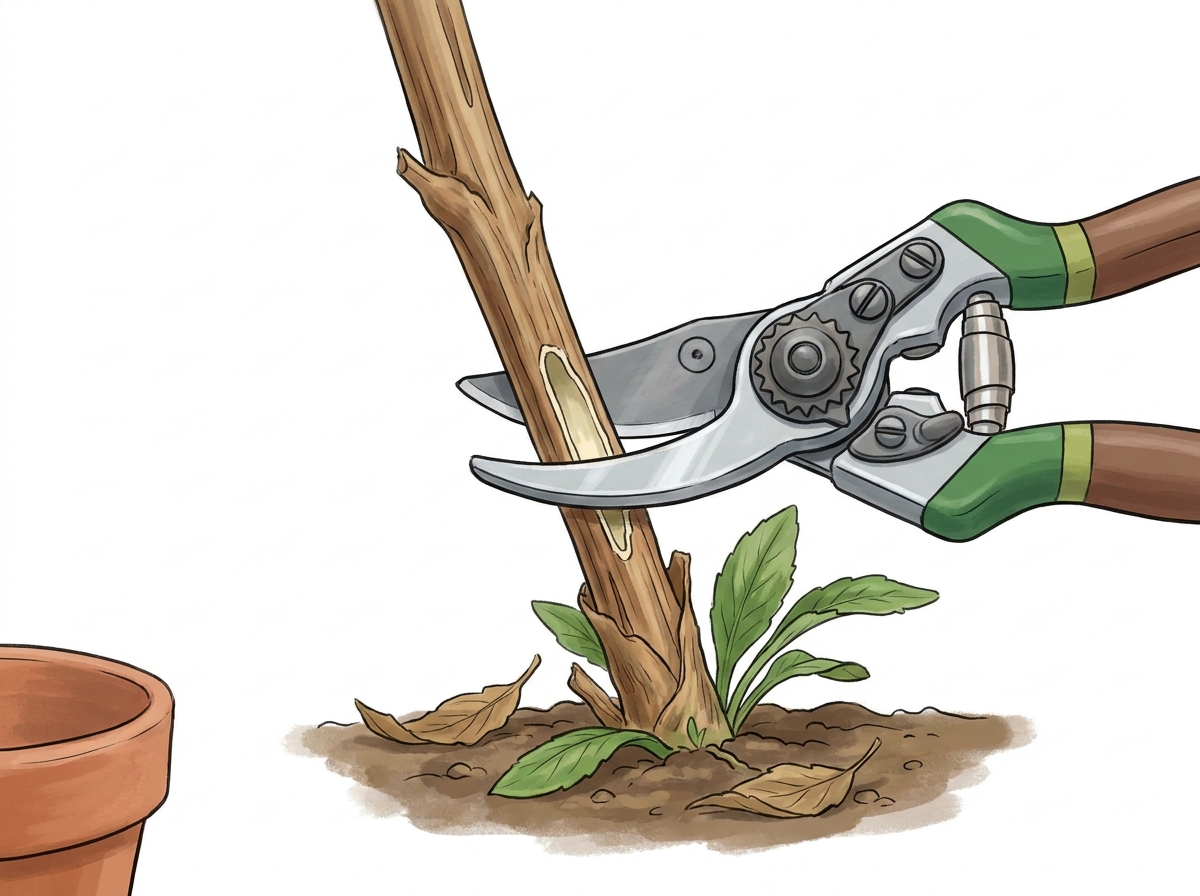
- When cutting, aim to leave about 15-20cm (6-8 inches) of the stem standing, especially if it's hollow. This provides overwintering sites for insects.
- Use clean, sharp secateurs or loppers for a precise cut that minimises damage to the plant and potential entry points for disease.
Building a Beneficial Log Pile
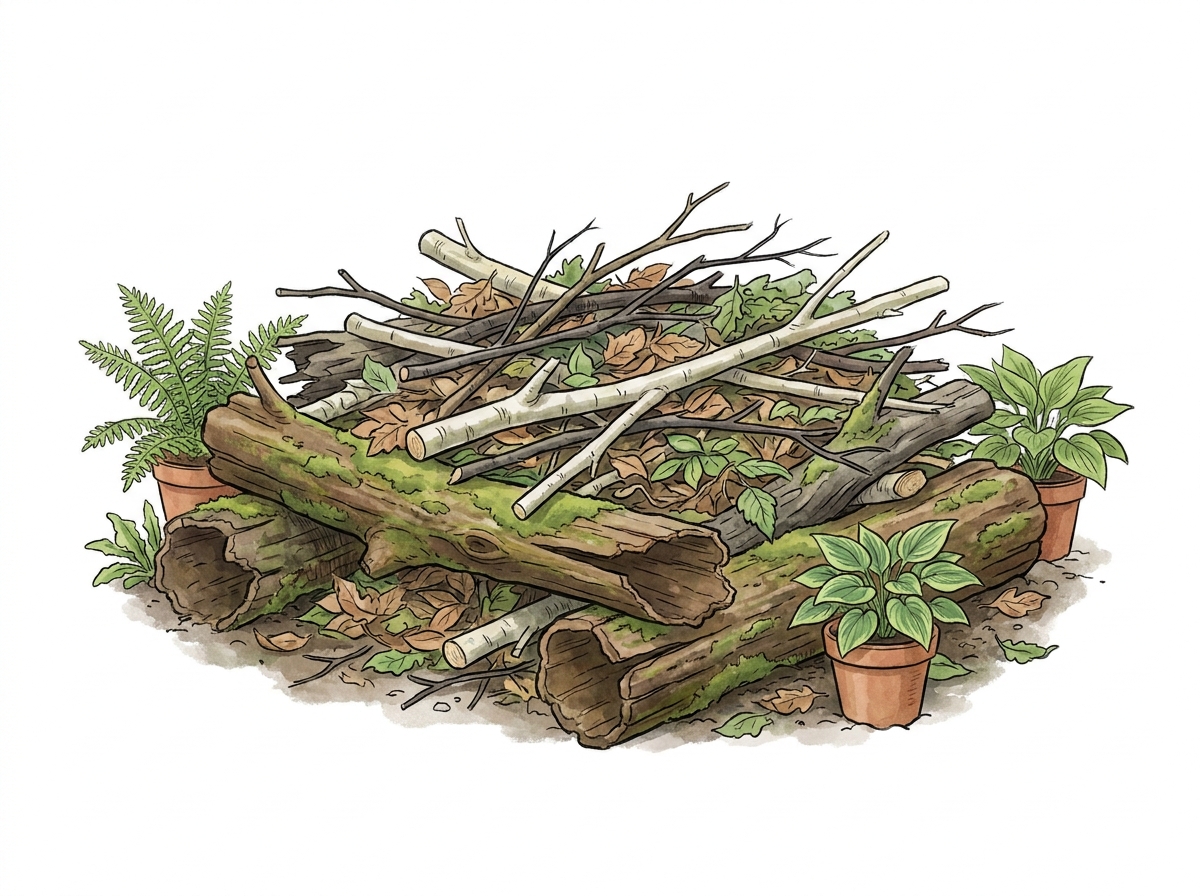
A log pile is a miniature ecosystem, offering shelter and food for a vast array of creatures, from amphibians and reptiles to insects and fungi. It's a fantastic way to recycle garden waste and create a valuable habitat. Aim for a mix of log sizes and types for maximum biodiversity.
- Choose a shady, damp spot in your garden, away from direct, prolonged sunlight.
- Start with a base layer of larger logs, creating an open structure.
- Add smaller logs, branches, twigs, and leaf litter on top and within the structure.
- Consider including some bark, stones, and even a bit of soil to create varied microhabitats.
- Allow the pile to settle and decompose naturally. This process can take years, providing a long-term habitat.
Maintaining a Deliberate 'Wilder' Aesthetic
A wilder garden doesn't have to mean overgrown and neglected. Strategic planting and thoughtful management can create a space that looks intentional while providing ecological benefits. Grouping native plants, incorporating natural features like log piles and compost bins, and allowing some areas to 're-wild' can all contribute to this look.
- Use ornamental grasses and seed-bearing perennials for structure and winter appeal.
- Incorporate native shrubs that provide berries and shelter.
- Designate a small 'wild patch' where you allow plants to grow more freely.
- Ensure paths and seating areas are kept clear to maintain access and a sense of order.
- Regularly observe your garden to see which areas are most used by wildlife, and adapt your management accordingly.
When cutting stems or building log piles, always wear sturdy gloves to protect your hands from splinters, thorns, and potential irritants. If using power tools for cutting larger logs, ensure you are trained in their safe operation and wear appropriate safety gear, including eye protection. Be mindful of where you place log piles; avoid areas that could pose a trip hazard or obstruct access.