
Embrace the Ecosystem: Natural Pest Control for Your Garden
Learn to coexist with garden visitors and harness nature's helpers to keep slugs and aphids in check, without resorting to harmful sprays.
Tackling common garden pests like slugs and aphids can feel like an uphill battle. However, a truly resilient garden doesn't aim for zero pests, but rather a healthy balance. By understanding and encouraging natural predators, you can create a self-regulating system that keeps populations manageable and your plants thriving.
The Art of Tolerance: Letting Nature Do the Work
It might sound counterintuitive, but a small population of slugs and aphids can be a good thing. They provide a vital food source for beneficial insects and other garden wildlife. By tolerating a baseline level of these 'pests', you ensure that your garden's natural pest control squad has enough to eat, meaning they'll stick around and be ready to act when populations surge.
Inviting Nature's Allies
- Ground Beetles: These nocturnal hunters are voracious predators of slugs, snails, and aphid eggs. Encourage them by providing cool, damp habitats like log piles, dense ground cover, and avoiding excessive digging in borders.
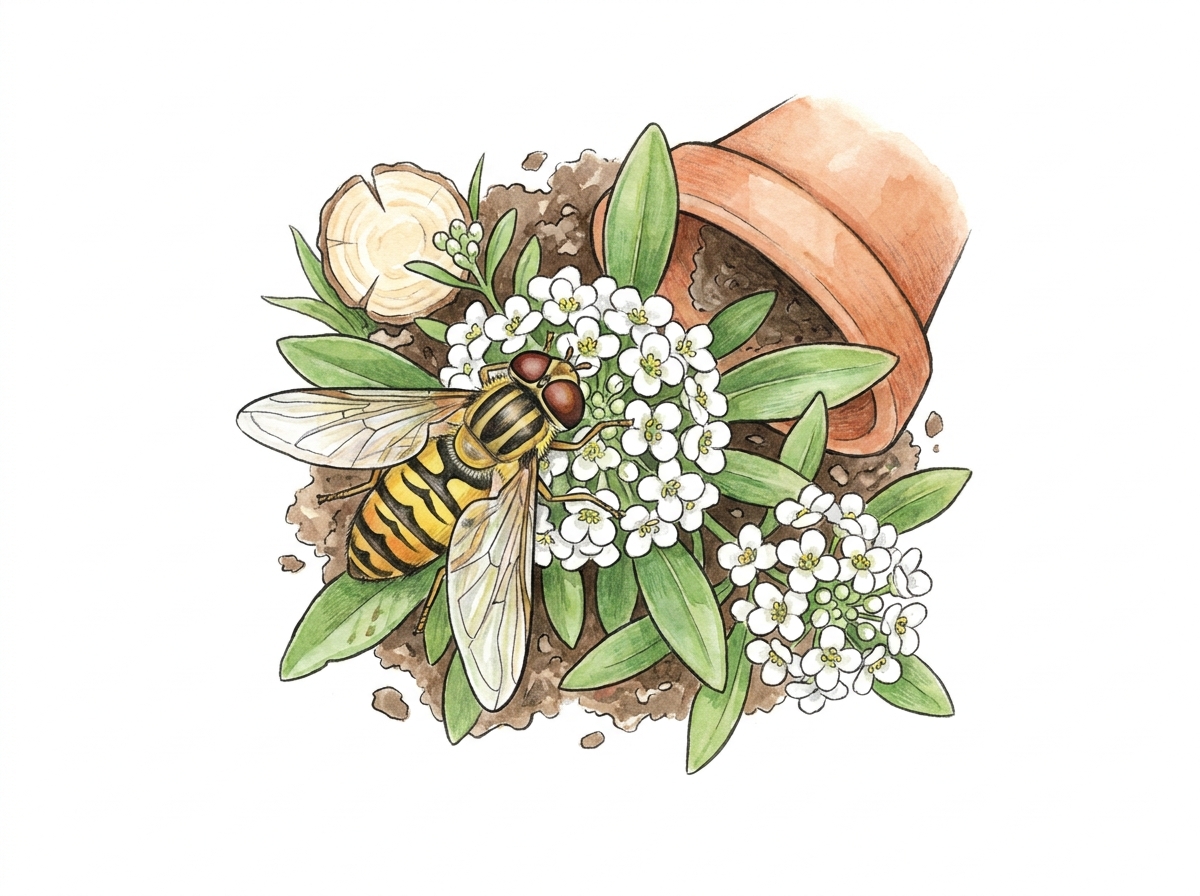
- Hoverflies: The larvae of hoverflies are incredibly efficient aphid predators. Adult hoverflies are attracted to plants with small, open flowers like fennel, dill, and yarrow. Planting these near vulnerable crops will draw them in.
- Frogs and Toads: These amphibians are fantastic slug and snail consumers. Provide a safe haven with a small pond or even just a damp, sheltered area away from heavy foot traffic. Ensure they have access to water, especially during dry spells.
- Birds: Many bird species, including tits and robins, will happily feast on slugs, snails, and various insect larvae. Install bird feeders and baths, especially from late autumn through to early spring, to encourage them to frequent your garden.
Protective Measures for Seedlings
Young, vulnerable seedlings are prime targets for slugs. Implementing physical barriers and strategic timing can offer protection without harming beneficial wildlife.
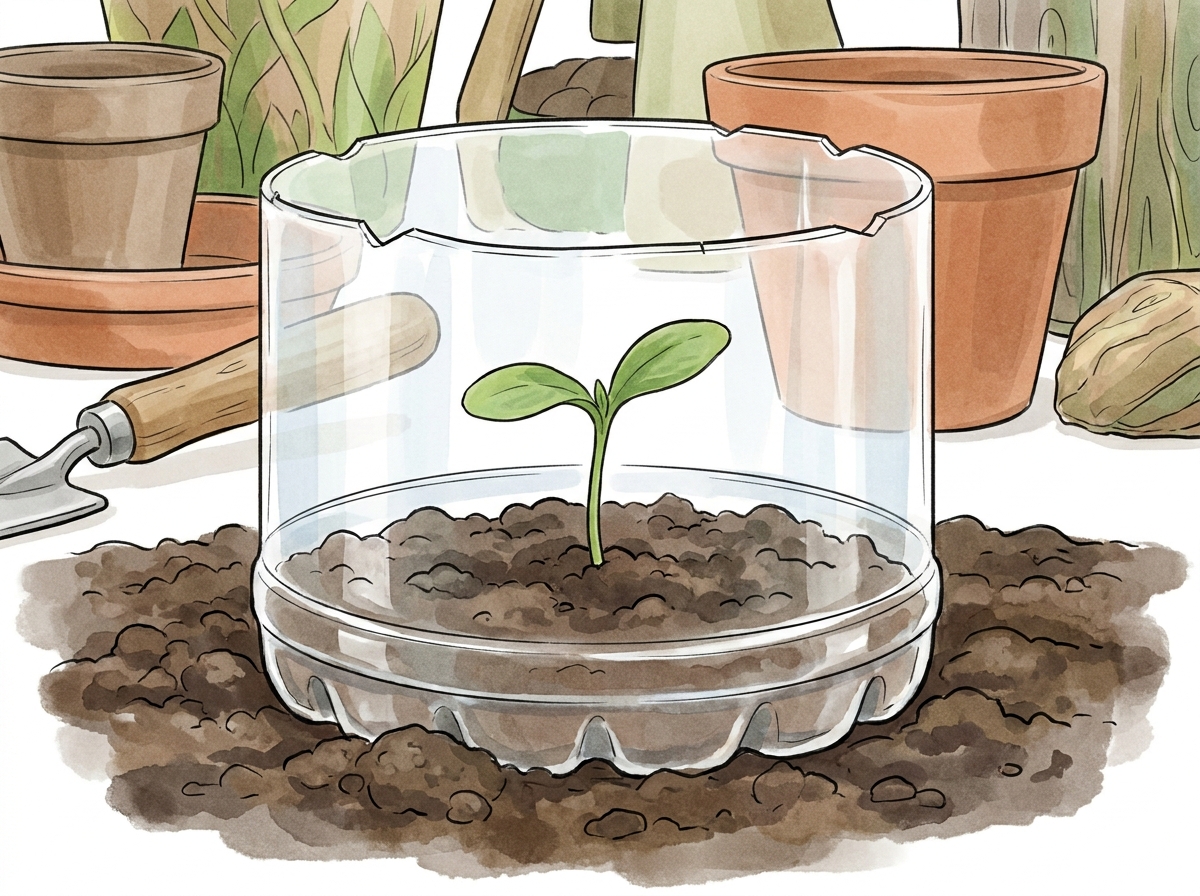
- Barriers: Create a physical barrier around vulnerable seedlings. Options include copper tape (slugs dislike the sensation), crushed eggshells (sharp edges deter them), or cutting the bottoms off plastic bottles or yoghurt pots to form individual cloches. Ensure barriers are at least 5cm (2 inches) high.
- Timing: Sow susceptible crops a little later, after the main slug breeding season has passed, typically once the soil is reliably warm and has dried out somewhat after your last frost.
- Companion Planting: Some plants, like garlic and rosemary, are thought to deter slugs. Planting them near vulnerable crops may offer some protection.
Assessing 'Natural' Solutions
Several 'natural' pest control methods are available, but it's important to use them wisely and understand their limitations.
- Nematodes: These microscopic worms are a biological control for slugs. They are applied to the soil and seek out slugs to infect. Best applied when the soil is moist and the temperature is above 5°C (41°F), typically from spring through to autumn. They are most effective against certain species of slugs and may require repeat applications.
- Beer Traps: Shallow containers filled with beer (lager is often recommended) can attract and drown slugs. Place them at soil level in affected areas. Empty and refill regularly. While they can catch slugs, they often catch other beneficial insects too, and their effectiveness can be limited in larger gardens.
Why Blanket Pellets Backfire
While slug pellets seem like a quick fix, they are often detrimental to the wider garden ecosystem. Most conventional slug pellets contain metaldehyde, which is highly toxic. Even when 'wildlife-friendly' alternatives are used, they can still kill beneficial insects and invertebrates. Furthermore, slugs that consume pellets can be eaten by predators like birds or hedgehogs, leading to secondary poisoning. This disrupts the natural food web and can cause more harm than good in the long run.
Always read and follow the instructions on any pest control product, even those labelled as 'natural' or 'wildlife-friendly'. Some can still be harmful to pets and other non-target organisms. Avoid using slug pellets that contain metaldehyde or iron phosphate where possible, as they pose risks to wildlife and pets.