
Decoding Your Soil: Advanced Interpretation for Precision Horticulture
Transform raw soil analysis data into actionable strategies for optimal plant performance and soil health.
The Foundation: Proper Soil Sampling
Before any meaningful interpretation can occur, the data must reflect reality. Inconsistent or biased sampling is the most common pitfall, rendering even the most sophisticated analysis useless. Aim for a composite sample that accurately represents the entire growing area, not just a single plant's immediate vicinity. Consider variations in soil type, drainage, and historical usage within the plot.
- Wait until the soil is workable, ideally after a dry spell to avoid compaction. Avoid sampling immediately after heavy rain or irrigation.
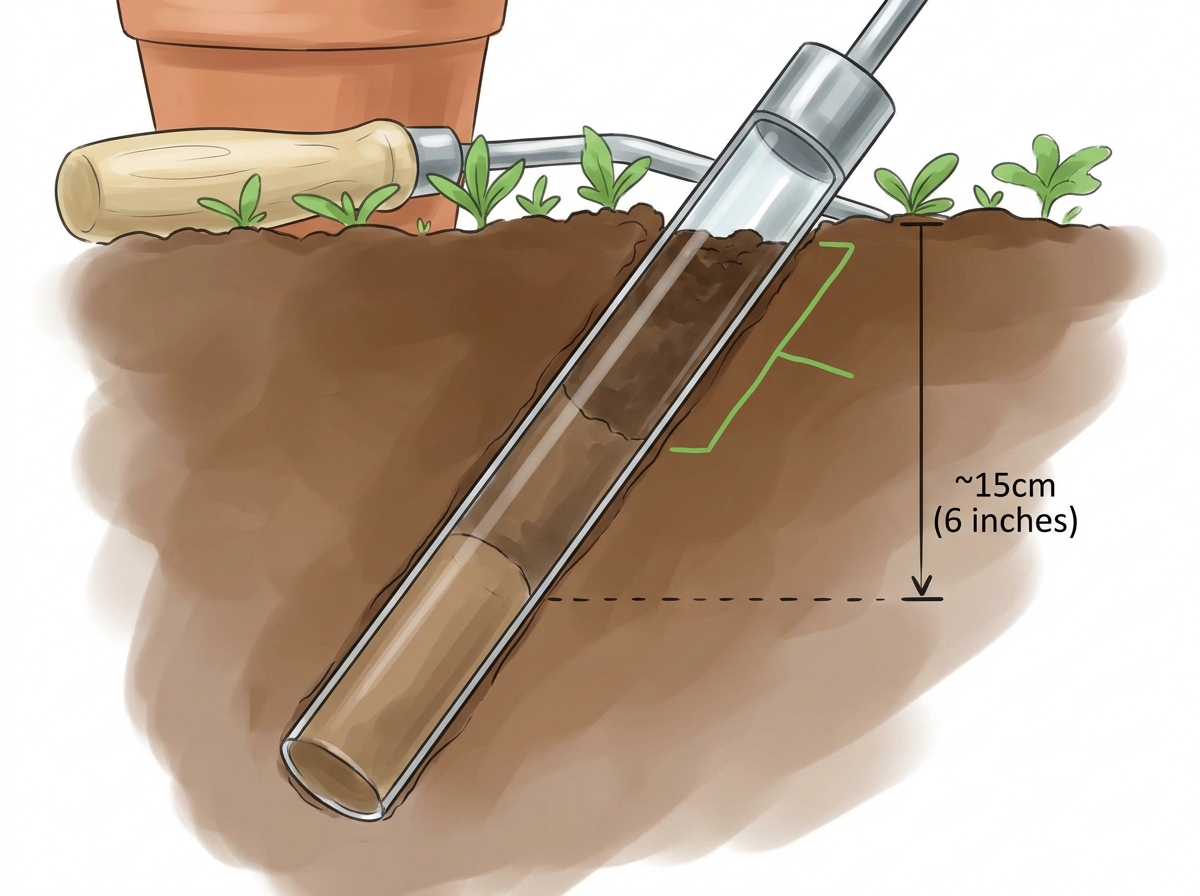
- Using a clean soil probe or auger, collect 10-15 subsamples from across the target area. Each subsample should be taken to a depth relevant to the crop's root zone (typically 10-15 cm or 4-6 inches for most perennials and vegetables, deeper for trees).
- For each subsample, remove any surface debris (grass, leaves, stones).
- Place all subsamples into a clean, dry bucket. Mix thoroughly to create a homogeneous composite sample.
- Remove any remaining stones or large organic matter from the composite sample.
- Transfer approximately 500g (1 lb) of the mixed soil into a clean, labelled sample bag provided by the laboratory.
- Record details: location, crop history, recent amendments, and the intended crop or plant type. This context is vital for accurate interpretation.
Unpacking the Data: pH, Buffering, and CEC
Soil pH is a measure of acidity or alkalinity, but it's only one piece of the puzzle. Understanding the soil's buffering capacity – its resistance to pH change – is equally important. Cation Exchange Capacity (CEC) reveals the soil's ability to hold onto positively charged nutrients, a key indicator of fertility potential and soil structure.
pH directly impacts nutrient availability. For instance, phosphorus becomes less available at very low or very high pH. Most horticultural crops thrive between pH 6.0 and 7.0, but specific requirements vary. Understand your target crop's tolerance range. A pH of 5.5 might be ideal for blueberries, while a pH of 7.5 could be optimal for some arid-climate succulents.
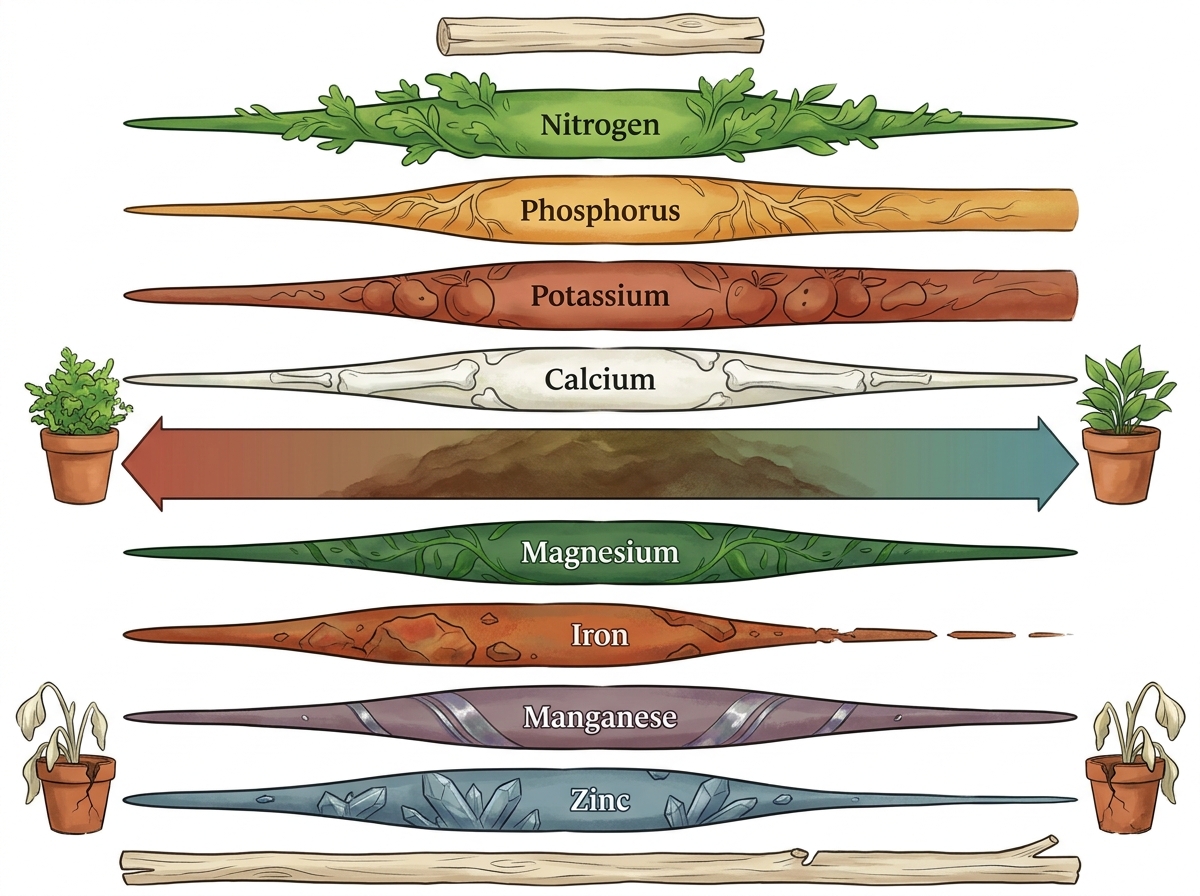
Buffering capacity, often inferred from CEC and soil texture (clay and organic matter content), tells you how difficult it will be to alter the pH. Soils with high CEC and high clay/organic matter content are well-buffered and require larger or more frequent amendments to change pH compared to sandy soils with low CEC. CEC itself is a measure of the soil's negative charge sites that attract and hold cations (like Ca2+, Mg2+, K+, Na+). A higher CEC generally indicates a more fertile soil capable of retaining more nutrients.
Interpreting Nutrient Indices and Base Saturation
Reported nutrient levels (e.g., P, K, Ca, Mg) are often given as indices or ppm/mg/kg. These need to be compared against established crop-specific recommendations or general soil fertility guidelines. Pay close attention to the reported levels of phosphorus (P) and potassium (K), as these are frequently limiting and crucial for plant development.
Base saturation expresses the percentage of CEC occupied by basic cations (Calcium, Magnesium, Potassium, Sodium). The ratios between these cations are as important as their absolute amounts. A common target for many soils is a Ca:Mg ratio between 3:1 and 7:1 and a K:Mg ratio below 1:4. Imbalances can lead to nutrient antagonisms. For example, excessively high potassium levels can interfere with magnesium and calcium uptake.
Actionable Strategies: What to Change and How
Not all soil parameters are easily or quickly changed. pH is generally the most responsive, followed by readily available nutrients. Organic matter and CEC are built over longer timescales. Focus on achievable goals.
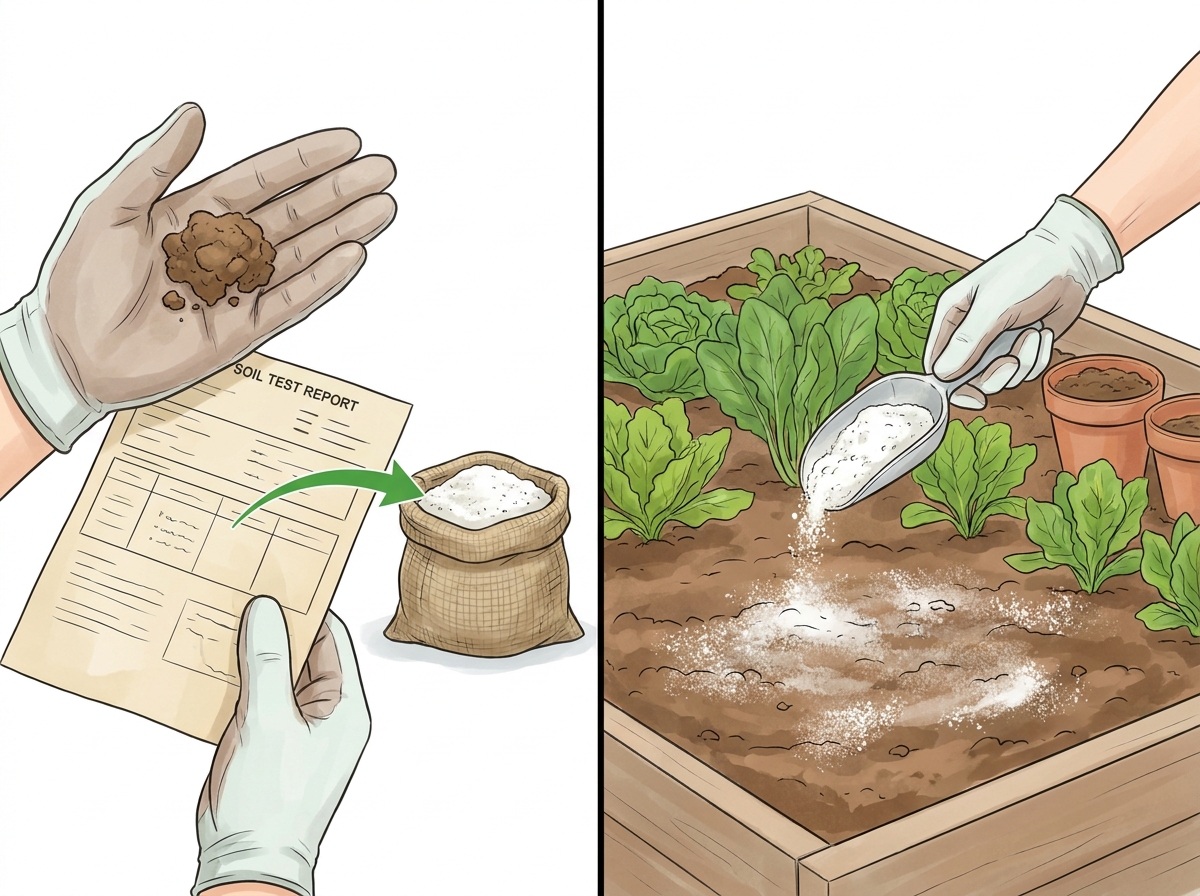
- pH Adjustment: For low pH (acidic), incorporate agricultural lime (calcium carbonate) or dolomitic lime (calcium magnesium carbonate) gradually. For high pH (alkaline), incorporate elemental sulphur or iron sulphate. Always apply amendments incrementally and re-test the soil after 6-12 months.
- Phosphorus (P) and Potassium (K): If indices are low, use targeted fertilisers. For P, consider triple superphosphate or rock phosphate. For K, use potassium sulphate or muriate of potash. Apply based on crop needs and soil test recommendations, avoiding over-application which can lead to imbalances or environmental issues.
- Calcium (Ca) and Magnesium (Mg): If deficient or imbalanced (e.g., low Ca:Mg ratio), use gypsum (calcium sulphate) to increase Ca without affecting Mg, or lime (as above) to raise both, depending on pH needs. Consider Epsom salts (magnesium sulphate) for targeted Mg if needed, but be mindful of K levels.
- Organic Matter and CEC: This is a long-term strategy. Incorporate compost, well-rotted manure, cover crops, and mulches. Avoid excessive tillage, which degrades soil structure and reduces organic matter. Building CEC is a slow process, often taking years of consistent organic matter addition.
Timescales and Realistic Expectations
Significant changes in soil chemistry, particularly pH and cation ratios, can take 6-18 months to stabilise after amendment. Building organic matter and increasing CEC is a multi-year endeavour. Focus on incremental improvements and consistent monitoring. A yearly soil test, ideally taken at the same time of year (e.g., late autumn after harvest, or late winter before planting), will help track progress and refine your management approach.
Always wear appropriate personal protective equipment (PPE) when handling soil amendments such as lime, sulphur, and fertilisers. This includes gloves, eye protection, and a dust mask, especially when working with powdered forms. Follow product label instructions precisely regarding application rates and safety precautions. Improper handling or over-application can lead to chemical burns, respiratory irritation, and environmental contamination. Consult Safety Data Sheets (SDS) for all products used.