
Decoding NPK: Supercharge Your Veggie Harvest!
Unlock the secrets of nitrogen, phosphorus, and potassium to feed your vegetables for maximum yield and health. Learn to read labels, spot deficiencies, and choose the right feed for every crop.
The Big Three: What NPK Really Means
NPK stands for Nitrogen (N), Phosphorus (P), and Potassium (K). These are the macronutrients your vegetables crave most. Understanding their roles is key to giving them exactly what they need, when they need it.
- Nitrogen (N): The 'Leafy' Nutrient. Essential for lush green foliage and overall plant growth. Think of it as the engine for vegetative development.
- Phosphorus (P): The 'Root & Flower' Nutrient. Crucial for strong root systems, flower development, and fruit set. It's the energy transfer specialist.
- Potassium (K): The 'Overall Health' Nutrient. Important for disease resistance, water regulation, and the production of sugars and starches. It's the plant's immune system and internal plumbing manager.
Reading the Bag: Decoding the NPK Ratio
You'll see three numbers on every feed bag, like 10-10-10 or 5-20-10. These represent the percentage by weight of Nitrogen (N), Phosphorus (P), and Potassium (K) in the fertiliser. A 10-10-10 feed has equal parts of each, while a 5-20-10 is high in phosphorus, ideal for flowering and fruiting.
Matching Feed to Crop Type
Different vegetables have different nutritional priorities throughout their life cycle. Tailoring your feed can make a significant difference to your harvest.
- Leafy Greens (Lettuce, Spinach, Kale): Need high nitrogen for rapid leaf growth. Look for feeds with a higher first number (N).
- Root Vegetables (Carrots, Potatoes, Beetroot): Benefit from balanced or slightly higher phosphorus and potassium for root development and overall health. A ratio like 5-10-10 or similar can be good.
- Fruiting Vegetables (Tomatoes, Peppers, Cucumbers): Require a good balance, but often need more phosphorus and potassium to support flowering and fruit production. As they start to flower, switch to a feed with a lower N and higher P and K, like 5-15-15.
Spotting the Signs: Deficiency Symptoms
Your plants will tell you if they're not getting enough of a particular nutrient. Learn to recognise the visual cues:
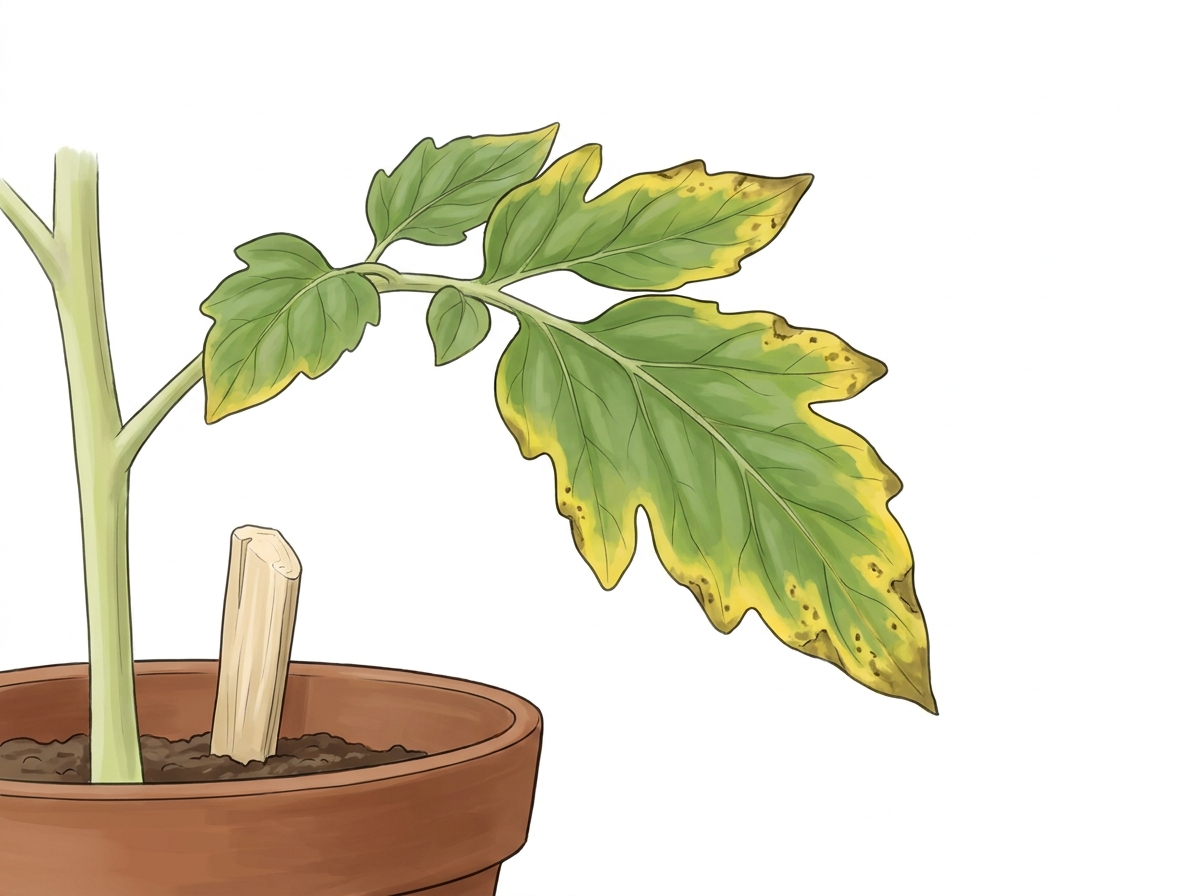
- Nitrogen Deficiency: Older leaves turn pale green or yellow, starting from the tip and moving inwards. Overall growth is stunted.
- Phosphorus Deficiency: Stunted growth, purplish discolouration on leaves (especially on the undersides) and stems, poor flowering and fruiting.
- Potassium Deficiency: Yellowing or browning along the leaf margins (edges), weak stems, and increased susceptibility to diseases.
The Nitrogen Trap: Too Much of a Good Thing
It might seem counterintuitive, but overloading your plants with nitrogen, especially fruiting varieties, can lead to lush, green foliage at the expense of flowers and fruit. The plant focuses all its energy on growing leaves and stems, neglecting its reproductive duties. Stick to the recommended ratios for the best results.
Organic vs. Soluble Feeds
You have two main options for feeding your vegetables: organic and soluble fertilisers.
- Organic Fertilisers (e.g., well-rotted manure, compost, fish emulsion, bone meal): These release nutrients slowly as they break down in the soil. They also improve soil structure and feed beneficial soil microbes. Best applied before planting or as a top dressing.
- Soluble Fertilisers (e.g., Growmore, Miracle-Gro): These are fast-acting and provide nutrients directly to the plant roots. They are useful for giving plants a quick boost, especially during the growing season. They require regular application, usually every 2-4 weeks.
When to Feed Your Crops
Timing is crucial for effective feeding. Generally, start feeding once your plants are established and showing active growth. For most vegetables, this is after your last frost and once the soil is workable and warming up. Continue feeding throughout the growing season, adjusting according to the plant's needs and the type of fertiliser used.
- Start feeding young seedlings lightly once they have their first true leaves.
- Increase frequency and strength as plants grow and enter their main vegetative or fruiting stages.
- Reduce or stop feeding in late autumn as plants prepare for dormancy.
- For overwintering crops, a light feed in early spring once growth restarts can be beneficial.
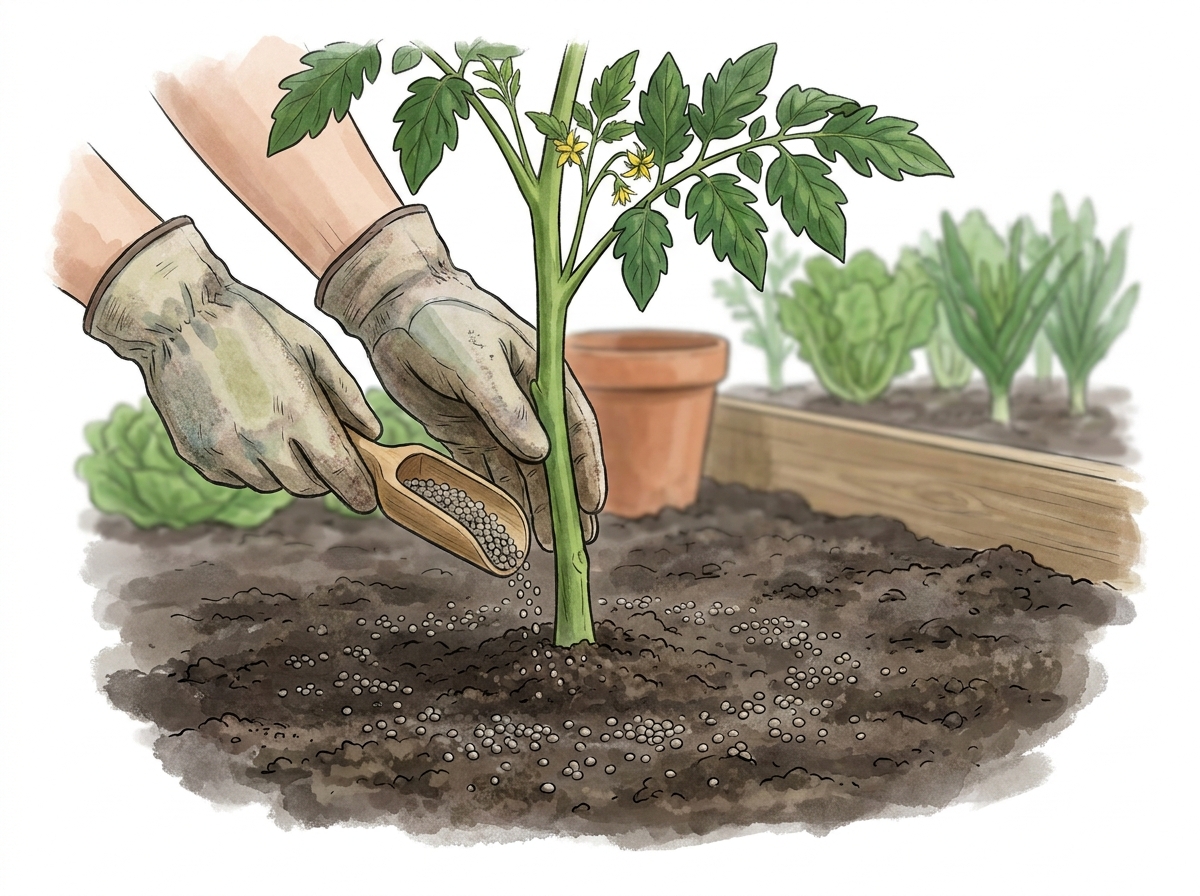
Always wear gloves when handling fertilisers, especially soluble chemical ones. Follow the manufacturer's instructions for dilution and application rates precisely. Over-fertilising can damage plant roots and harm soil life. Store fertilisers safely away from children and pets.
Putting It All Together: A Feeding Plan
Develop a feeding strategy based on your soil type, the vegetables you're growing, and the fertiliser you choose. Regular observation of your plants will be your best guide. Happy feeding, and happy harvesting!