
Easy 1 min read
Composting 101: Turn Your Scraps into Garden Gold
A beginner-friendly guide to recycling kitchen waste into nutrient-rich soil.
Composting is the natural process of recycling organic matter into a dark, crumbly material that acts as a superfood for your plants. You don't need a massive farm to start—just a small corner of your yard or a bin under your sink.
Choosing Your Setup
- Tumbler Bins: Great for small yards; they rotate to aerate the pile quickly.
- Open Wire Bins: Ideal for larger gardens; allows maximum airflow and easy access.
- DIY Pallet Bin: Build a simple square enclosure using four wooden shipping pallets tied with wire.
- Countertop Bin: A small container with a charcoal filter to hold scraps before moving them outside.
The Compost Recipe: Greens vs. Browns
- Greens (Nitrogen): Fruit/vegetable scraps, fresh grass clippings, coffee grounds.
- Browns (Carbon): Dried leaves, shredded cardboard, straw, twigs.
Never add meat, dairy, oily foods, pet waste, or diseased plants to your compost. These can attract pests and create unpleasant odors.
Maintenance and Timeline
Maintenance is simple: keep your pile about as damp as a wrung-out sponge. Turn the pile with a pitchfork once every two weeks to introduce oxygen. Depending on the weather, your compost will be ready to use in 3 to 12 months.
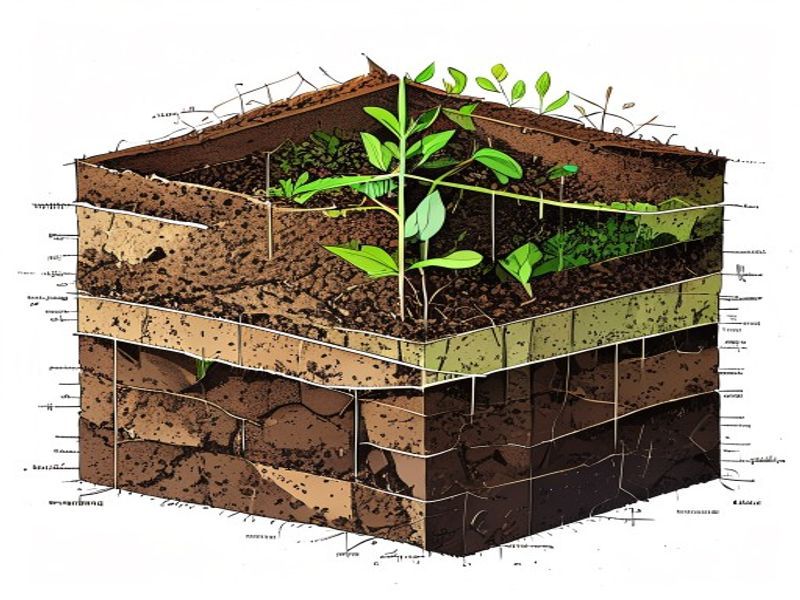
How to Use It
- Top Dressing: Sprinkle an inch of compost around the base of your plants.
- Potting Mix: Blend 1 part compost with 3 parts potting soil for a nutrient boost.
- Garden Prep: Mix 2 inches of compost into your vegetable beds before spring planting.