
Boost Your Plot: Green Manures for a Thriving Allotment
Unlock the secrets of green manures to enrich your soil, suppress weeds, and prepare for your next bumper harvest.
What are Green Manures?
Green manures are cover crops grown not for harvest, but to be dug back into the soil. They're a fantastic way to improve soil structure, add organic matter, suppress weeds, and, crucially, replenish nutrients, particularly nitrogen. By choosing the right type, you can tailor the benefits to your specific needs.
Legumes vs. Grasses: Your Nitrogen & Biomass Options
For nitrogen fixation, look to the legume family. Plants like clover, vetch, and lupins host nitrogen-fixing bacteria in their roots, drawing this essential nutrient from the air and making it available in the soil. For sheer biomass and overwintering cover, grasses and cereals such as rye, oats, and buckwheat excel. They protect the soil from erosion and add significant organic matter when dug in.
- Nitrogen Fixers (Legumes): Crimson Clover, Field Beans, Vetch, Alfalfa, Lupins.
- Biomass Builders (Grasses/Cereals): Winter Rye, Oats, Buckwheat, Mustard, Phacelia.
Sowing Your Green Manure
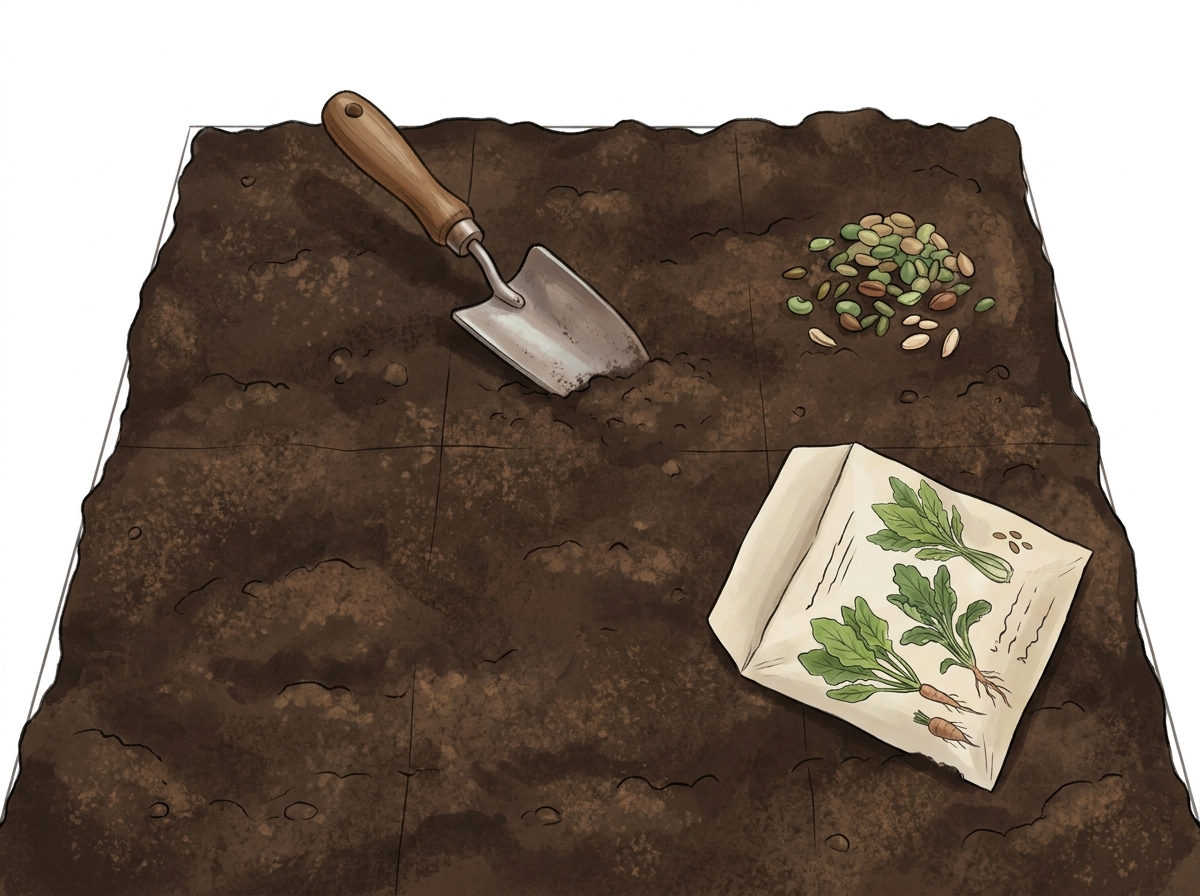
The ideal time to sow green manures is into a gap between main crops, or after harvesting early-season vegetables. Ensure the soil is workable – not too wet or frozen. Aim for 'late spring' to 'early autumn', depending on your climate and the chosen green manure's growth speed. Check the seed packet for specific sowing rates, but a general guideline is 30-60 grams per square metre (approx. 1-2 oz per square yard).
Incorporating Your Green Manure
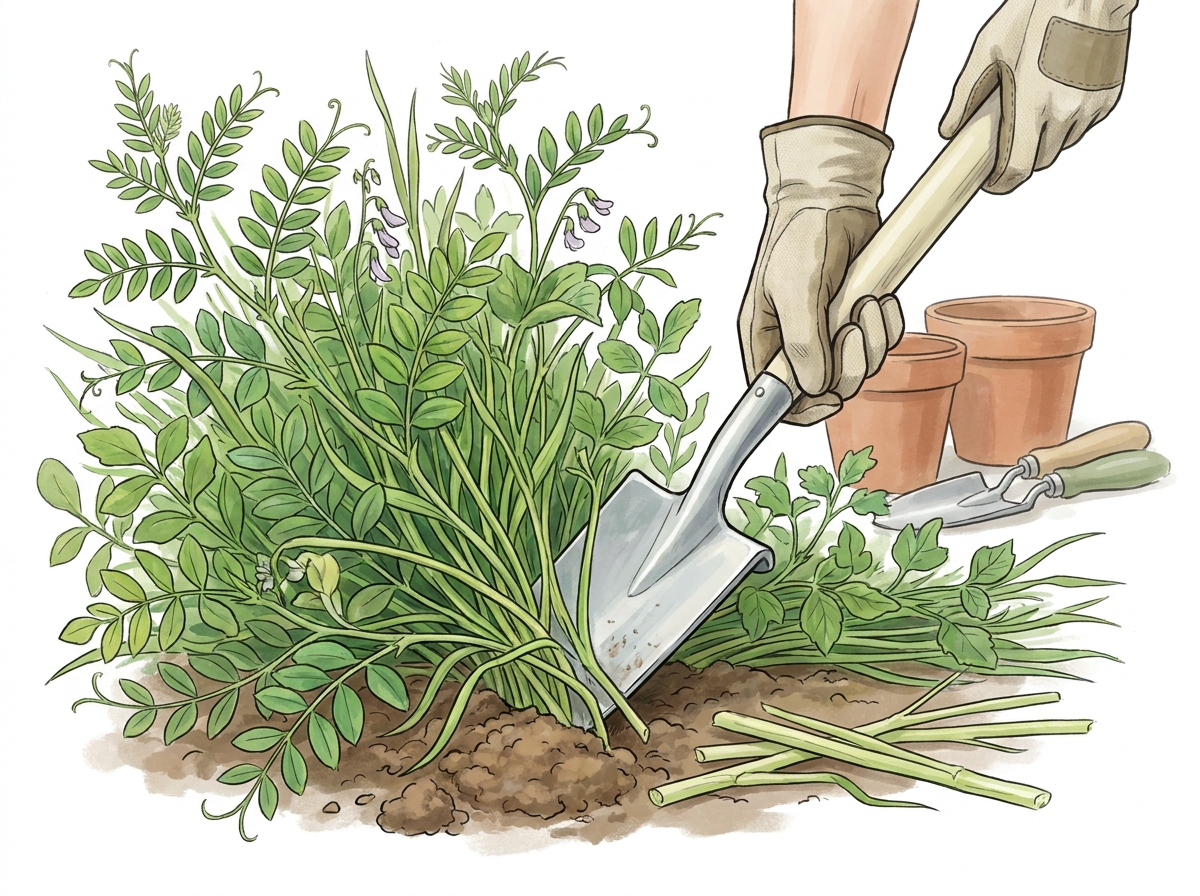
This is a crucial step. You want to cut your green manure *before* it sets seed. If seeds mature, they can become unwanted weeds in future crops. Use a sharp spade, scythe, or strimmer to cut the plants down to soil level. Then, fork them into the top 10-15 cm (4-6 inches) of soil. This process is often called 'digging in' or 'trenching'.
The Waiting Game: Soil Recovery
After incorporating your green manure, allow the soil a period of rest and decomposition. This 'interval' is vital for the organic matter to break down and release nutrients. A minimum of 2-4 weeks is recommended, but longer is often better, especially if you're incorporating tougher material or if the soil is cool. This gives the soil ecosystem time to work its magic and prevents nutrient lock-up when you sow your main crop.
When digging in green manures, wear sturdy gloves to protect your hands from soil and plant matter. Ensure your tools are sharp for a cleaner cut, reducing the effort required and the risk of strain. If using a strimmer, wear eye protection and ear defenders.
When to Sow Your Next Crop
Wait until the incorporated green manure has visibly started to break down and the soil feels less 'clamped' before sowing your next crop. This usually takes a few weeks. If you sow too soon, the decomposing matter can temporarily tie up nitrogen, starving your new plants. For crops that need a lot of nitrogen, like brassicas, ensure a good interval has passed.