
Advanced Post-Harvest Preservation: Mastering Long-Term Storage
Maximize your allotment yield through professional curing, clamping, and climate management techniques.
Successful long-term storage begins before the harvest. For onions and garlic, curing is essential to seal the neck and reduce moisture content. For potatoes and squash, the goal is suberization—hardening the skin to prevent pathogen entry.
- 1. Onions and Garlic: Cure in a ventilated, dry area out of direct sunlight. Once the foliage is papery and the neck is tight, trim roots to 5mm (0.2in) and store in a cool, airy environment.
- 2. Squash: Cure in warm, sunny conditions for 10-14 days to toughen the rind. Do not wash; wipe clean. Store at 10°C-15°C (50°F-59°F) with moderate humidity.
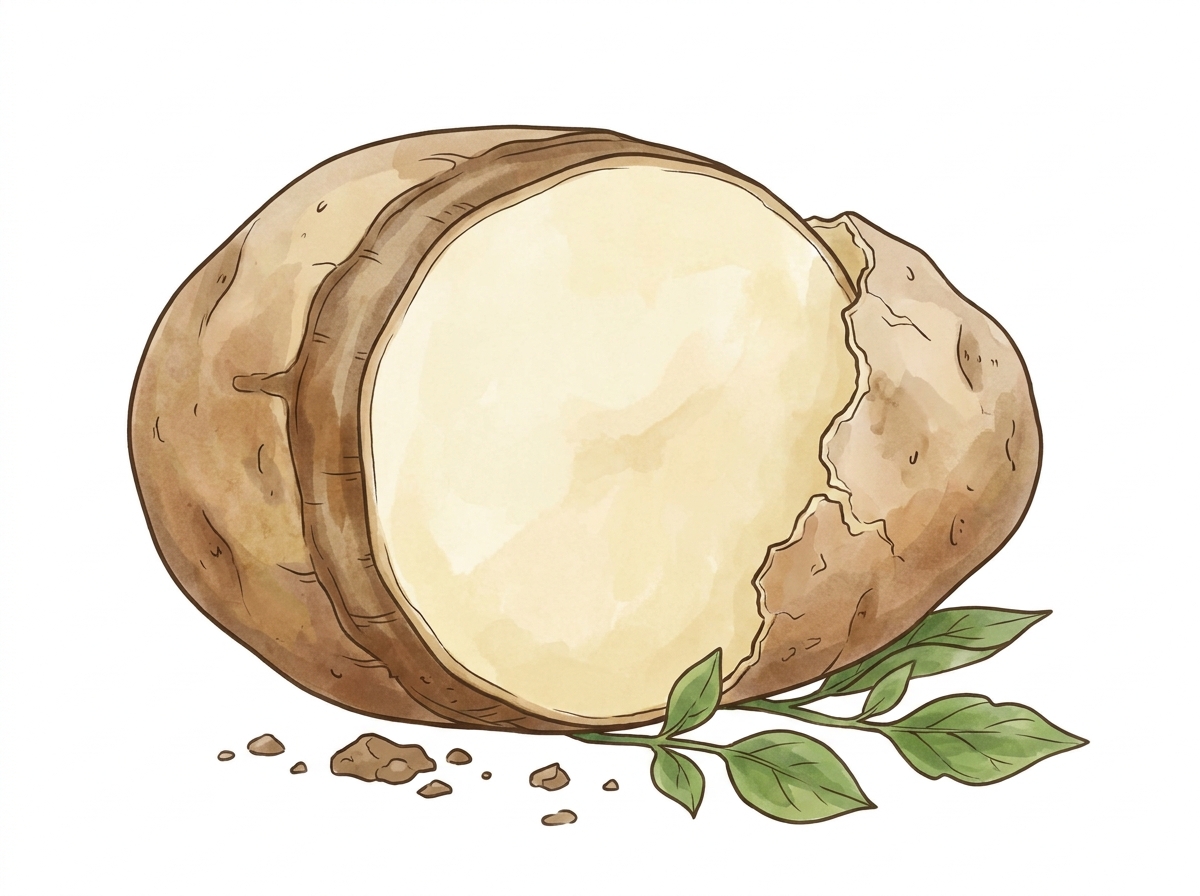
- 3. Potatoes: Cure in a dark, humid environment at 15°C (59°F) for two weeks. Once skins are set, drop temperatures to 4°C-7°C (40°F-45°F) for long-term storage.
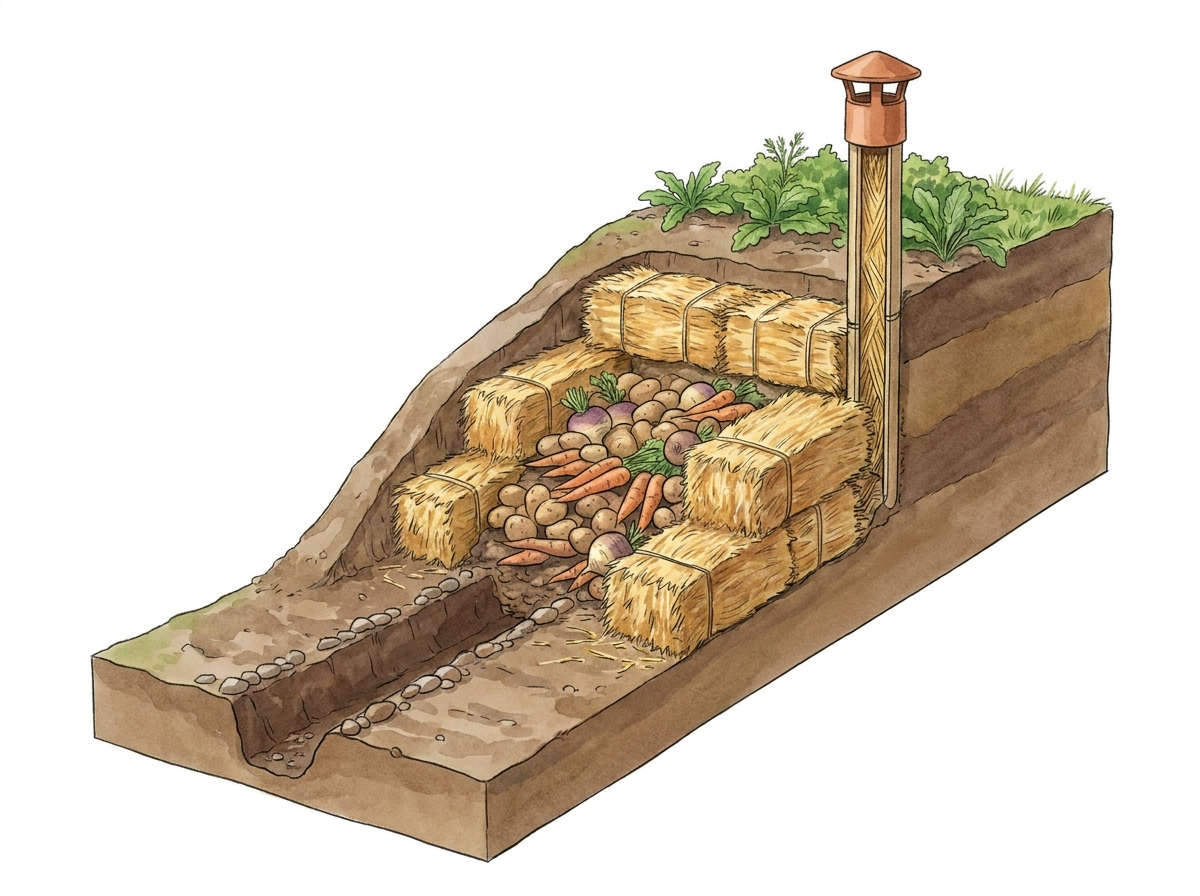
Constructing a Traditional Root Clamp
If you lack a cool cellar, a root clamp (or pie) mimics subterranean stability. Select a site with excellent drainage. Dig a shallow trench, line it with 15cm (6in) of clean straw, pile your root crops in a cone, cover with another 20cm (8in) of straw, and finish with a 15cm (6in) layer of soil, leaving a straw 'chimney' at the apex for ventilation.
Never store ethylene-sensitive crops like potatoes or leafy greens alongside ethylene-producing fruits such as apples or pears. Ethylene gas triggers premature sprouting and rapid degradation in root vegetables.
Routine inspection is the difference between a full pantry and a ruined harvest. Establish a weekly 'cull cycle'. Remove any crop showing soft spots, weeping, or mould. One decaying specimen releases spores and moisture that will rapidly compromise the surrounding batch.